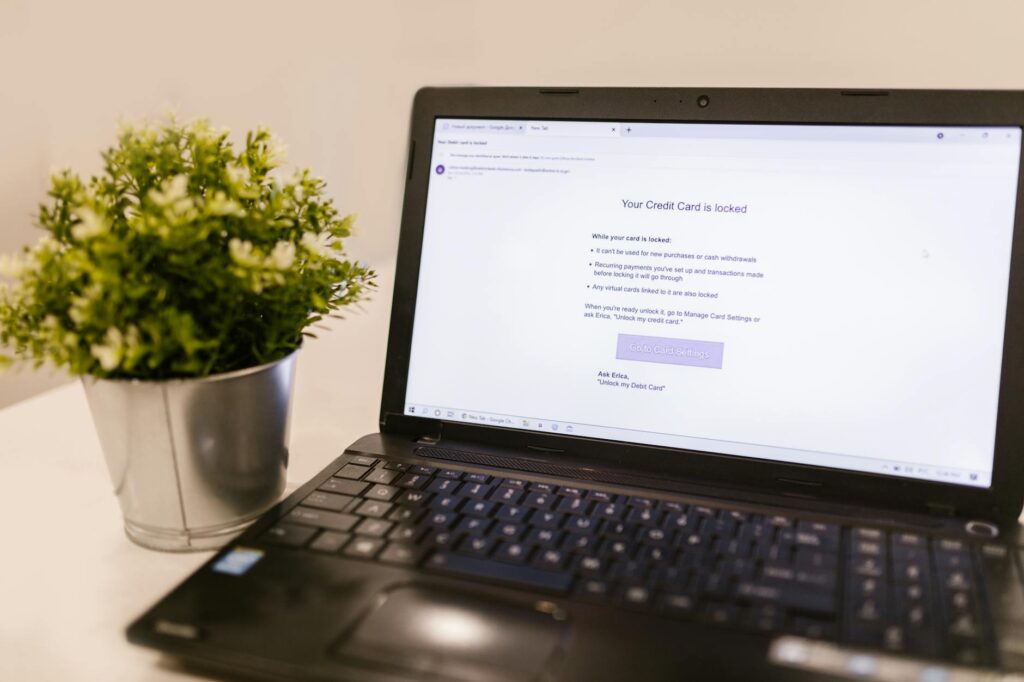
What Are Phishing Attacks?
This guide covers everything about Understanding Phishing Attacks: How to Spot and Avoid Them. Phishing attacks are a pervasive cybersecurity threat in 2026, masquerading as legitimate communications to trick individuals into revealing sensitive information like passwords, credit card details, or social security numbers. These attacks exploit human psychology, using urgency, fear, or curiosity to bypass technical defenses.
Last updated: May 6, 2026
Most readers searching this topic want to know how to keep their digital lives secure from these increasingly sophisticated scams. Understanding the nuances of phishing is the first, crucial step in building effective defenses.
Key Takeaways
- Phishing attacks aim to steal personal information by impersonating trusted entities.
- Common tactics include urgent requests, suspicious links,, and fake login pages.
- Always verify the sender’s identity and scrutinize communications before acting.
- Employ strong, unique passwords and enable multi-factor authentication for layered security.
- Stay informed about the latest phishing techniques to adapt your defenses.
The Evolving world of Phishing in 2026
Phishing has moved beyond simple, poorly written emails. As of May 2026, attackers are using highly personalized messages, known as spear phishing, to target specific individuals or organizations. These messages often contain convincing details gleaned from social media or previous data breaches, making them much harder to detect.
We’re also seeing an increase in “whaling” attacks, which target high-profile individuals within a company, and “smishing” (SMS phishing) which uses text messages to deliver malicious links or prompts.
Common Phishing Tactics to Watch For
While phishing methods evolve, certain tactics remain prevalent. Attackers frequently create a sense of urgency, urging you to act immediately to avoid negative consequences. This could be a fake notification that your account has been compromised or that a payment is overdue.
They often use impersonation, mimicking well-known brands like banks, tech companies, or government agencies. The goal is to make you feel comfortable clicking a link or downloading an attachment.
Recognizing Suspicious Links and Attachments
A key indicator of a phishing attempt is a suspicious link. Hover your mouse over the link (without clicking!) to see the actual URL. If it looks different from what the text suggests, or if it leads to an unfamiliar domain, its a red flag. Be wary of shortened URLs too, as they can easily hide malicious destinations.
Similarly, unsolicited attachments, especially from unknown senders, should be treated with extreme caution. These can contain malware designed to steal your data once opened. Always confirm the legitimacy of an attachment with the sender through a separate communication channel if possible.
How to Spot a Phishing Email: Practical Red Flags
Spotting a phishing email requires a keen eye for detail. Look for generic greetings like “Dear Customer” instead of your name. Poor grammar, spelling errors, and inconsistent branding are also common giveaways, though attackers are getting better at masking these.
A critical sign is a request for personal information. Legitimate organizations rarely ask for sensitive data like passwords or full credit card numbers via email. Any email demanding such information should be considered suspect.
Real-World Phishing Email Example
Imagine receiving an email from what looks like your bank, stating there’s been “unusual activity” on your account and you must “verify your details immediately” by clicking a link. The link might look like `www.yourbank.com-security.net`. The domain `yourbank.com-security.net` is not the bank’s official domain. A real bank would likely use `yourbank.com` or a similar, clearly branded subdomain.
Protecting Yourself: Essential Phishing Prevention Strategies
The best defense against phishing is a combination of awareness and strong security practices. Regularly updating your software is vital, as updates often include patches for security vulnerabilities that attackers exploit.
Using a reputable antivirus and anti-malware software can help detect and block malicious files and websites. However, these tools are not foolproof and should be complemented by vigilant user behavior.
The Power of Multi-Factor Authentication (MFA)
Multi-factor authentication, or MFA, adds a critical layer of security. Even if an attacker obtains your password, they still need a second form of verification—like a code sent to your phone or a biometric scan—to access your account. As of 2026, enabling MFA should be standard practice for all online accounts, especially for sensitive ones like banking and email.
According to the U.S. Cybersecurity and Infrastructure Security Agency (CISA) (2023), MFA can block the vast majority of automated attacks. Enabling it’s one of the single most effective steps you can take.
Creating Strong, Unique Passwords
Reusing the same password across multiple accounts is a significant security risk. If one account is compromised through a phishing attack, all other accounts using that same password become vulnerable. Use a password manager to generate and store strong, unique passwords for every online service you use.
A strong password typically includes a mix of uppercase and lowercase letters, numbers, and symbols, and is at least 12 characters long. Avoid using easily guessable information like birthdays or common words.
What to Do If You Suspect a Phishing Attempt
If you receive a suspicious email or message, don’t click any links or download any attachments. Instead, try to verify its authenticity through a separate, trusted channel. For example, if you suspect an email from your bank is fake, visit their official website by typing the URL directly into your browser or call the customer service number listed on their official site.
If you believe you have fallen victim to a phishing scam, act immediately. Change your passwords for affected accounts and any other accounts that might use the same credentials. Contact your bank or credit card company if you shared financial information. Reporting the phishing attempt to the platform where it originated (e.g., your email provider) and to relevant authorities like the Federal Trade Commission (FTC) can help prevent others from being targeted.
Reporting Phishing Scams
Most email providers offer a way to report phishing emails directly. Look for options like “Report phishing,” “Report spam,” or “Mark as junk.” This helps your provider improve its filters and protect other users. The FTC also encourages reporting at ReportFraud.ftc.gov.
Beyond Email: Other Phishing Vectors
Phishing isn’t limited to email. Smishing, as mentioned, uses text messages. Attackers might send fake alerts about package deliveries or account issues. Always scrutinize texts requesting action or personal data.
Voice phishing, or “vishing,” involves phone calls where scammers impersonate legitimate organizations. They might claim to be from your utility company, a tech support service, or even law enforcement. They will often try to pressure you into providing information or making payments over the phone.
Vishing Scenarios to Be Aware Of
A common vishing scam involves callers claiming to be from a major tech company, stating your computer is infected and offering to fix it for a fee. They might guide you to a malicious website or ask for remote access to your device. Genuine tech support won’t typically call you out of the clue regarding a supposed infection.
Social Media and Phishing
Social media platforms are also fertile ground for phishing. Scammers may send direct messages, create fake profiles, or post malicious links disguised as offers or news. Be skeptical of unsolicited messages, friend requests from unknown individuals, and links shared on social feeds, even if they appear to come from a friend (their account might be compromised).
| Phishing Vector | Method | Common Signs | Prevention Tip |
|---|---|---|---|
| Email Phishing | Deceptive emails | Generic greetings, poor grammar, suspicious links/attachments | Verify sender, hover over links, use MFA |
| Spear Phishing | Highly personalized emails | Believable details, urgent requests, targeted content | Scrutinize even personalized messages; verify through other channels |
| Smishing (SMS Phishing) | Malicious text messages | Urgent alerts about deliveries, accounts, or payments | Never click links in unexpected texts; call official numbers |
| Vishing (Voice Phishing) | Deceptive phone calls | Impersonation of banks, tech support, or government agencies | Never give personal info over the phone to unsolicited callers; hang up and call back |
Staying Ahead: Continuous Learning and Vigilance
The fight against phishing is ongoing. Cybercriminals are constantly developing new methods, so staying informed is crucial. Follow reputable cybersecurity news sources and be aware of the latest phishing trends reported by organizations like the FTC or cybersecurity firms.
Educating yourself and your family or colleagues about these threats is one of the most powerful forms of defense. A well-informed individual is far less likely to fall victim to social engineering tactics.
Common Mistakes to Avoid
One of the most common mistakes is assuming “it won’t happen to me.” Complacency is a hacker’s best friend. Another mistake is not enabling multi-factor authentication on every possible account, leaving a critical security layer disabled. Reacting impulsively to urgent requests without verification is also a frequent pitfall.
Finally, failing to report phishing attempts allows these scams to persist and ensnare more victims. Reporting is a vital part of collective online defense.
Frequently Asked Questions
What is the primary goal of a phishing attack?
The primary goal of a phishing attack is to trick individuals into revealing sensitive personal or financial information, such as passwords, credit card numbers, or social security details, by impersonating a trusted entity.
How can I tell if an email is a phishing attempt?
Look for generic greetings, poor grammar and spelling, suspicious sender email addresses, urgent requests for action, and links that don’t match the purported sender’s domain. Always be cautious of unexpected attachments.
Is it safe to click on links in emails from known senders?
While less risky than unknown senders, it’s still prudent to be cautious. Even legitimate senders can have their accounts compromised, or links might be subtly altered. If in doubt, verify directly with the sender through a separate communication method.
What should I do if I accidentally click a phishing link?
Immediately disconnect from the internet if possible. If you entered credentials, change those passwords on affected accounts and any others using the same password. Scan your device for malware and monitor your financial accounts closely.
How does multi-factor authentication (MFA) help against phishing?
MFA requires more than just a password to log in, typically a code from your phone or a biometric scan. This means that even if a phisher steals your password, they can’t access your account without the second factor.
Are phishing attacks still a major threat in 2026?
Yes, phishing attacks remain a significant and evolving threat in 2026. Attackers are constantly refining their tactics, using more sophisticated social engineering and personalization to bypass defenses and trick users.
Last reviewed: May 2026. Information current as of publication; pricing and product details may change.
Source: Wired
Related Articles
- Meet BabydollKaila: A Journey Through Creativity and Inspiration
- The Security Features of Pasonet: Keeping Your Transactions Safe
- The Step Budget Pattern: How To Stop Agent Loops Going Rogue
Editorial Note: This article was researched and written by the Bloxtra editorial team. We fact-check our content and update it regularly. For questions or corrections, contact us.