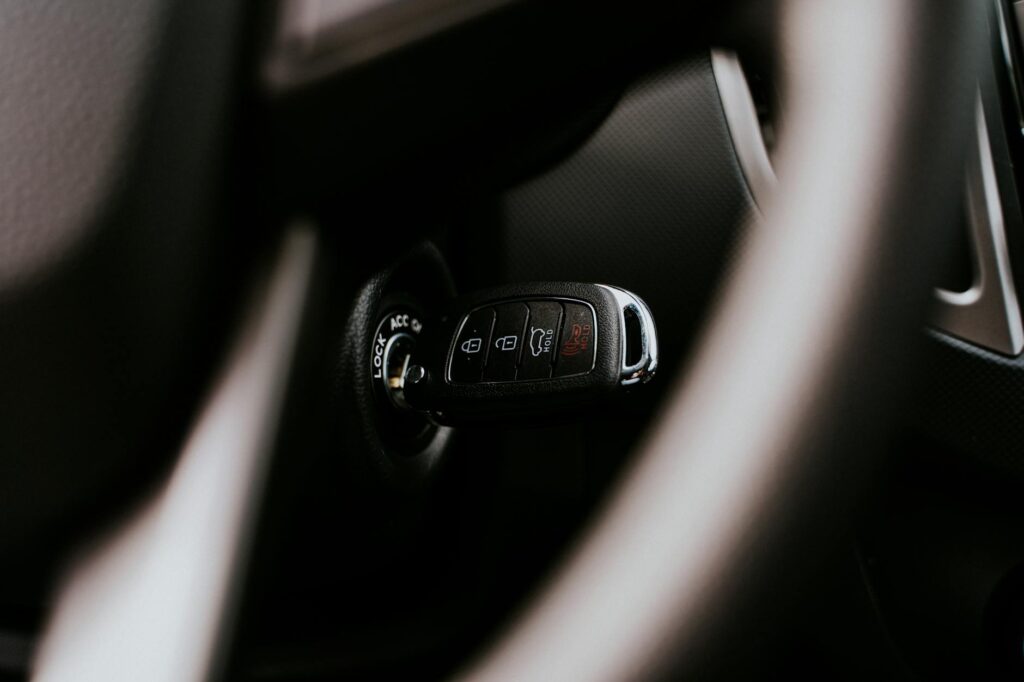
Key Finder Technologies: A Comparison of Bluetooth, RF, and GPS
Misplacing your keys, wallet, or bag can turn a smooth morning into a frantic search. Fortunately, modern technology offers several ways to track down those elusive items. As of May 2026, the world of key finder technologies is dominated by three main players: Bluetooth, Radio Frequency (RF), and Global Positioning System (GPS). Each offers a unique approach to location tracking, with its own set of strengths and weaknesses. Understanding these differences is key to picking the right device for your needs.
Key Takeaways
- Bluetooth trackers are best for close-range finding within a home or office, relying on your phone’s proximity.
- RF key finders use a dedicated remote and base unit, ideal for quick, loud alerts over moderate distances without a smartphone.
- GPS trackers offer the widest range, pinpointing location globally, but typically consume more power and are pricier.
- Choosing the right technology depends on your typical environment and how far you tend to misplace items.
How Key Finder Technologies Work
At their core, key finder technologies enable you to locate an item that has a small tracking tag attached to it. They achieve this by using different wireless communication methods to report the tag’s location back to you, usually via a smartphone app or a dedicated remote control. The primary differences lie in the underlying technology they employ, which dictates their range, accuracy, and power consumption.
For instance, a Bluetooth tracker might tell you your keys are “nearby” based on your phone’s signal strength, while a GPS tracker will give you exact coordinates on a map, even if they’re miles away. RF trackers typically use a base station and a key fob that sends a signal to the tag, making it beep loudly.
Bluetooth Trackers: Your Personal Proximity Pointers
Bluetooth Low Energy (BLE) is the most common technology found in personal item trackers like Apple’s AirTag or Tile trackers. These small tags emit a Bluetooth signal that your smartphone can detect when it’s within range.
How they work: When you’re within Bluetooth range (typically up to 100 feet or 30 meters, though this can vary), your phone app shows you how close you are to the tag. Some apps offer a “find nearby” feature that uses signal strength to guide you, while others have a proximity meter or even a “hot/cold” indicator. Many also allow you to trigger a loud sound from the tag itself.
Unique Insight: The real power of Bluetooth trackers comes from their crowdsourced network. If your item is lost outside your phone’s direct range, other users’ devices running the same app can anonymously detect your lost tag and report its last known location back to you. Apple’s Find My network is a prime example, using millions of Apple devices globally.
Practical Tip: For everyday use, like finding keys within your house or car, Bluetooth trackers are incredibly effective and offer excellent battery life, often lasting over a year on a single coin cell battery.
Radio Frequency (RF) Key Finders: The Simple Beep-and-Find
RF key finders are perhaps the simplest of the bunch. They consist of a base unit (often a keychain fob) and one or more small tags. They don’t rely on a smartphone or an app, making them a great choice for anyone who prefers a straightforward solution or doesn’t own a smartphone.
How they work: You press a button on the base unit corresponding to the tag you’re looking for, and the tag emits a loud beep or flashes a light. The range is typically advertised as being around 50–100 feet (15–30 meters) in open areas, but this can be significantly reduced by walls and other obstructions.
Use Case: These are fantastic for individuals who frequently misplace items around the house or in a relatively small office space. Think of finding the TV remote buried under couch cushions or locating your keys when you’re already running late.
Drawback: The main limitation is the lack of precise location data. You’ll hear the beep when you’re close, but you still need to visually scan the area. Also, the range is generally less reliable than Bluetooth in complex environments.
GPS Trackers: Global Reach for Serious Loss Prevention
When you need to know the exact location of an item anywhere in the world, GPS trackers are the way to go. Unlike Bluetooth or RF, which rely on proximity or local networks, GPS uses a satellite network to triangulate an object’s precise position.
How they work: A GPS tracker contains a GPS receiver and a cellular modem (or a similar long-range communication module like LoRaWAN). The receiver gets location data from satellites, and the modem sends this data over a cellular network (or other network) to a server, which then displays it on a map in a smartphone app or web portal.
Use Case: These are ideal for tracking vehicles, high-value assets, or pets that might wander off. For keys, they are often overkill unless they are attached to something like a car that could be stolen or lost far from home.
Drawbacks: GPS trackers generally require a subscription fee for the cellular data service, which can add up. They also tend to be larger, more expensive, and consume more battery power than Bluetooth or RF trackers. Accuracy can also be an issue indoors or in urban canyons where satellite signals are blocked.
Key Finder Technology Comparison: Range, Accuracy, and Power
The choice between Bluetooth, RF, and GPS boils down to what you prioritize. As of May 2026, here’s a breakdown:
| Feature | Bluetooth | RF | GPS |
|---|---|---|---|
| Primary Use Case | Close-range finding (home, office) | Quick alert finding (home, small areas) | Global tracking (vehicles, assets) |
| Typical Range | Up to 100 ft (30m) direct; crowdsourced network extends | 50-100 ft (15-30m) open air; reduced by walls | Global (requires cellular/network coverage) |
| Accuracy | Proximity-based; good for guiding to general area | Auditory/visual beep when in range; less precise | Pinpoint accuracy (within meters); best for maps |
| Smartphone Required? | Yes, for full functionality | No | Yes, for app/map interface |
| Battery Life | Typically 1+ year (replaceable coin cell) | Varies, often 6–12 months (replaceable button cells) | Hours to weeks; often rechargeable, can be power-hungry |
| Cost | Low per tag ($20-$40), potential network fees | Very low per tag ($10-$30 for a set) | High per device ($50-$100+), often with monthly subscription fees |
Real-World Examples and Use Cases
Let’s look at how these technologies play out in everyday life. Sarah, a freelance graphic designer, uses Apple AirTags (Bluetooth) on her laptop bag and work backpack. If she leaves them at a coffee shop, she can check her iPhone to see their last known location, and the Find My network can alert her if another user passes by the bag. The range is usually sufficient for her to backtrack within a mile or two of where she was.
Meanwhile, David, a retiree who isn’t tech-savvy, uses a set of Tile Mate (Bluetooth) trackers on his car keys and wallet. He mainly uses the “Find Nearby” feature and triggers the loud alarm when he can’t find them in his house. He appreciates that it doesn’t require a complicated app interface, though he relies on his daughter to help set it up initially.
For John, who runs a small delivery service, he attaches GPS trackers to his vehicles. Key Finder Technologies: A Comparison of Bluetooth, RF, and GPS allows him to monitor their routes in real-time, ensure timely deliveries, and recover them if one were ever stolen. The monthly subscription fee for the cellular data is a necessary cost for his business’s security and efficiency.
Choosing the Right Key Finder Technology
When selecting a key finder, consider these factors:
- Environment: Will you primarily be looking for items in your home, office, or out in the wider world?
- Smartphone Usage: Are you comfortable using a smartphone app, or do you prefer a standalone device?
- Budget: How much are you willing to spend upfront and on potential ongoing fees?
- Battery Life: Do you want a device that requires infrequent battery changes or a rechargeable option?
- Privacy Concerns: Be aware of the data collected by each service and their privacy policies, especially with GPS and crowdsourced networks.
For most people looking to find misplaced keys or wallets around the house or car, a Bluetooth tracker like a Tile or AirTag offers the best balance of features, price, and ease of use. If you don’t have a smartphone or prefer extreme simplicity, an RF finder is a viable, budget-friendly option. GPS is reserved for situations where global tracking is genuinely needed.
Common Mistakes When Choosing Key Finders
One common mistake is overestimating the range of Bluetooth or RF devices. While advertised ranges are often optimistic, real-world performance can be significantly less due to walls, furniture, and other signal interference. Always assume the effective range will be less than the maximum stated.
Another pitfall is not considering battery life and replacement costs. Some GPS trackers have rechargeable batteries that might only last a few weeks between charges, meaning you need to remember to charge them. Others use replaceable batteries that can be expensive or hard to find. Always check the battery specifications and availability.
Finally, many people overlook the privacy implications. Bluetooth trackers often use crowdsourced networks, meaning your location data is shared with a network of other users. While anonymized, it’s essential to understand how your data is being used and protected by the service provider.
Expert Tips for Maximizing Your Key Finder’s Effectiveness
To get the most out of your key finder, attach it securely. For items like keychains, a sturdy ring or loop works well. For wallets or bags, consider a tracker that can slip into a pocket or compartment without being easily dislodged. Ensure the tracker is positioned so its speaker or light is not muffled by the item it’s attached to.
Regularly test your key finder. Trigger the alarm from your app or remote to ensure it’s still working and that the battery is healthy. Many apps will notify you of low battery levels, but a manual check is always a good idea. For Bluetooth trackers, keeping the app updated on your phone is also crucial for maintaining connection and accessing the latest features, including network improvements.
Experience Insight: Working with different tracking devices over the years, I’ve found that placement is key. For a wallet, slipping a slim Bluetooth tracker into a card slot is often better than attaching it externally. For pets, a lightweight GPS collar is essential, but you must also remember that no tracker is a substitute for responsible pet ownership and supervision, especially in areas with known hazards or wildlife.
Frequently Asked Questions
What is the most accurate key finder technology?
GPS trackers generally offer the most pinpoint accuracy, providing precise coordinates on a map. Bluetooth trackers offer proximity guidance, getting you close, while RF trackers only alert you when you’re within audible range.
Can I use a key finder without a smartphone?
Yes, RF key finders don’t require a smartphone. They use a dedicated remote control to activate the tag, making them simple to operate for anyone.
How far can Bluetooth key finders reach?
Direct Bluetooth range is typically around 100 feet (30 meters), but this is heavily influenced by environmental factors. The true reach comes from crowdsourced networks, where other users’ devices can help locate your lost item globally.
Are GPS trackers expensive?
GPS trackers are generally more expensive than Bluetooth or RF options, both in upfront cost and often require a monthly subscription fee for cellular service to transmit location data.
Which type of key finder is best for finding keys in a large house?
For a large house, a Bluetooth tracker is often the best choice. You can use the app to get close, and then trigger the loud alarm on the tag to pinpoint the exact location.
How long do key finder batteries last?
Battery life varies significantly. Bluetooth trackers often use replaceable coin cells that last a year or more. RF trackers vary, typically lasting 6–12 months. GPS trackers are often rechargeable and can last anywhere from a few hours to several weeks depending on usage and model.
Ultimately, the best key finder technology for you depends on your specific needs and how you tend to lose things. By understanding the core differences between Bluetooth, RF, and GPS, you can make an informed decision and significantly reduce the stress and time spent searching for misplaced items. Investing in the right tracker means more peace of mind and less time spent frantically looking for your essentials.
Last reviewed: May 2026. Information current as of publication; pricing and product details may change.
Editorial Note: This article was researched and written by the Bloxtra editorial team. We fact-check our content and update it regularly. For questions or corrections, contact us.