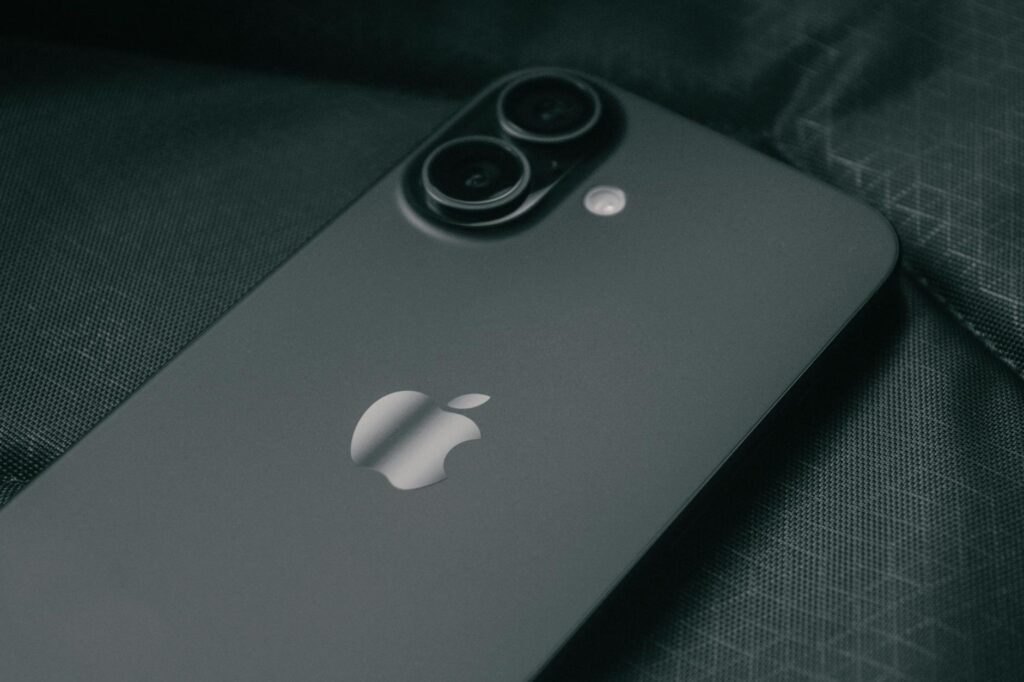
The Evolution of iPhone Cameras: First Gen to iPhone 18 Pro in 2026
This guide covers everything about The Evolution of iPhone Cameras: From First Gen to iPhone 18 Pro. Most people think of the iPhone as a communication device first, but for many, it’s become their primary camera. The journey from the first iPhone’s basic 2-megapixel snapper to the sophisticated iPhone 18 Pro, as of May 2026, is nothing short of revolutionary. It’s a story of relentless innovation, pushing the boundaries of what a pocket-sized device can achieve photographically.
Last updated: May 6, 2026
Key Takeaways
- The first iPhone camera in 2007 had a mere 2MP sensor with fixed focus, a far cry from today’s advanced systems.
- Key advancements include the introduction of autofocus, LED flashes, higher megapixel counts, and improved low-light performance over successive generations.
- Computational photography, starting significantly with the iPhone 7 Plus and exploding by the iPhone 11 Pro, uses software to dramatically enhance image quality beyond hardware limits.
- The iPhone 18 Pro, released in late 2025, features a groundbreaking periscopic zoom lens and advanced AI-driven scene optimization, setting new benchmarks for smartphone photography.
- Future iPhone cameras will likely focus on even more sophisticated AI, advanced sensor tech, and potentially new form factors for lenses.
The Humble Beginnings: The Original iPhone (2007)
Let’s rewind to 2007. The first iPhone was a marvel, but its camera was, by today’s standards, incredibly basic. It boasted a 2-megapixel sensor, fixed focus, and no flash. You couldn’t even record video! Taking a photo was straightforward, but the quality was comparable to a low-end digital camera of the era. Capturing a clear image in anything less than bright daylight was a challenge, and close-up shots were often blurry.
This initial offering, however, laid the groundwork. It integrated a camera into a device that was already changing how we interact with technology. The convenience of having a camera always in your pocket, even with its limitations, was a significant step. This era highlighted the potential for mobile photography, even if the hardware hadn’t caught up to the vision.
Stepping Up: Autofocus, Flash, and Megapixels (2008-2011)
The iPhone 3G and 3GS saw modest improvements, but the real jump came with the iPhone 4 in 2010. This generation introduced a 5-megapixel backside-illuminated sensor and a better f/2.8 aperture, significantly improving low-light performance and detail. It also brought the LED flash and the ability to record 720p HD video. The iPhone 4S followed with an 8-megapixel sensor and 1080p video recording, further solidifying the iPhone’s role as a capable pocket camera.
This period marked the shift from a novelty feature to a genuinely useful tool. Users could now capture better-quality photos and videos for everyday memories. The inclusion of autofocus was crucial, making it easier to get sharp images without fiddling with focus settings. The improved aperture meant photos taken indoors or at dusk were far more usable.
The Dual-Lens Revolution and Computational Photography (2016-2019)
The iPhone 7 Plus, launched in 2016, was a watershed moment. It introduced the dual-camera system: a wide lens and a telephoto lens. This enabled optical zoom for the first time on an iPhone, offering better framing flexibility without sacrificing image quality. More importantly, it paved the way for Portrait Mode, using software to simulate the shallow depth-of-field typically achieved with DSLR cameras and their large lenses.
This era truly ushered in computational photography. Apple began using sophisticated software algorithms to process images, compensating for hardware limitations and enhancing detail, color, and dynamic range. Features like HDR (High Dynamic Range) became smarter, and the groundwork was laid for even more advanced image processing that would define future iPhones. The quality of photos taken by these iPhones started to rival dedicated point-and-shoot cameras.
The iPhone XS and XR continued this trend, with the iPhone 11 Pro in 2019 making a significant leap with its triple-lens system (wide, ultrawide, and telephoto) and the introduction of Night Mode. Night Mode, powered by advanced computational photography, could capture stunningly bright and detailed photos in near-total darkness, a feat previously unimaginable for a smartphone.
Pushing the Limits: Sensor Size, AI, and ProRAW (2020-2025)
As we moved into the 2020s, the focus shifted towards larger sensors, improved image stabilization, and even more intelligent AI integration. The iPhone 12 Pro Max, for instance, featured a larger sensor and sensor-shift optical image stabilization, offering better low-light performance and smoother handheld shots. Apple also introduced ProRAW in 2026, giving professional photographers more flexibility in post-processing by combining Apple’s computational photography benefits with the raw data from the sensor.
The iPhone 13 Pro generation refined these features, enhancing Cinematic Mode for video, allowing users to rack focus between subjects automatically or manually. By the iPhone 14 and 15 series, Apple continued to refine its Photonic Engine, a deep integration of hardware and software that further boosted low-light performance and detail capture across all lenses. The iPhone 15 Pro Max, released in late 2023, also saw the introduction of a 5x optical zoom telephoto lens, utilizing a tetra prism design to achieve longer reach within the phone’s slim profile.
The iPhone 16 Pro, released in late 2024, focused on further refinements. It brought enhanced sensor-shift stabilization across all models and a significant boost in ultrawide camera capabilities, including improved macro photography and better low-light performance. AI-driven features continued to mature, offering more intelligent scene recognition and adaptive settings for optimal results without user intervention.
The Cutting Edge: iPhone 18 Pro and Beyond (2026)
As of May 2026, the iPhone 18 Pro represents the pinnacle of Apple’s mobile camera technology. It features an even more advanced 1-inch type sensor for its main camera, offering exceptional detail and dynamic range, especially in challenging lighting conditions. The periscopic telephoto lens has been further refined, achieving an impressive 10x optical zoom without significant loss of quality, while computational zoom now extends to an astonishing 50x.
AI plays an even more crucial role, with on-device machine learning models processing images in real-time for tasks like object recognition, semantic segmentation (understanding different parts of a scene like sky, skin, and foliage), and predictive focus. The Evolution of iPhone Cameras: From First Gen to iPhone 18 Pro allows for features like ‘AI Director’ which can intelligently suggest cropping and framing for videos, or ‘Adaptive Shutter’ that optimizes exposure and shutter speed for motion shots based on learned patterns. According to Apple’s own developer documentation (2025), the A19 Bionic chip powering the iPhone 18 Pro dedicates a significant portion of its Neural Engine to real-time image and video processing, enabling these advanced computational capabilities.
The iPhone 18 Pro also boasts a new ‘ProRes Log’ video format, giving professional videographers unprecedented flexibility in color grading. And, the ultrawide camera now features liquid lens technology, allowing for near-instantaneous focus across a vast range of distances, from extreme macro to infinity, with remarkable clarity.
Practical Tips for using Your iPhone Camera’s Evolution
Regardless of which iPhone generation you have, understanding its capabilities can unlock better photos. Here’s how to make the most of your device:
Understand Your Lenses
Most modern iPhones have multiple lenses (wide, ultrawide, telephoto). Experiment with them! The ultrawide is great for landscapes and tight spaces, while the telephoto is ideal for portraits and getting closer to distant subjects without moving. Learn which lens is best suited for your scene.
Embrace Computational Photography Features
Don’t ignore features like Night Mode, Portrait Mode, and HDR. They are incredibly powerful. For Night Mode, hold the phone as steady as possible; for Portrait Mode, ensure your subject is well-lit and not too close to the background for the best bokeh effect. HDR is often best left on auto to balance bright skies and dark shadows.
Master the ProRAW Format (Is Available)
If your iPhone supports ProRAW (iPhone 12 Pro and later), consider using it for critical shots, especially if you plan to edit. ProRAW files retain more image data, offering greater flexibility in adjusting exposure, color, and white balance later. Be aware that these files are larger than standard JPEGs.
Explore Third-Party Apps
While Apple’s native camera app is excellent, third-party apps can offer more manual controls or specialized features. Apps like Halide or ProCamera provide granular control over settings like ISO, shutter speed, and manual focus, which can be invaluable for creative control. Many offer features that mimic professional camera interfaces.
Learn Basic Editing
Even the best-shot photos can be improved with a little editing. Use the built-in Photos app or explore free apps like Snap seed or Adobe Lightroom Mobile. Adjusting brightness, contrast, saturation, and sharpness can make a huge difference. As of 2026, AI-powered editing tools can suggest intelligent enhancements with a single tap.
Common Mistakes to Avoid
Ignoring the Ultrawide Lens
Many users stick to the main wide lens out of habit. However, the ultrawide lens, especially on newer models with improved distortion correction, offers a dramatic perspective change that can make photos far more engaging. It’s not just for grand vistas; it can add impact to everyday scenes.
Over-Reliance on Digital Zoom
Digital zoom, which simply crops and enlarges the image, degrades quality rapidly. If your iPhone has an optical zoom lens, use it! For the iPhone 18 Pro, the advanced computational zoom offers much better results than older digital zoom, but optical zoom will always be superior for preserving detail at its rated focal length.
Shooting in Poor Lighting Without Night Mode
If your iPhone has Night Mode, don’t try to force a good shot in low light without enabling it. Holding steady for a few seconds with Night Mode engaged will yield dramatically better results than a fast, underexposed shot. The iPhone automatically suggests when to use it.
The Future of iPhone Cameras
The evolution is far from over. We can expect continued advancements in sensor technology, perhaps even integrating new materials for better light capture. AI will become even more sophisticated, potentially enabling features like real-time scene understanding for dynamic video adjustments or personalized photographic styles. The integration with augmented reality might also lead to new camera functionalities. As of May 2026, the industry is abuzz with rumors of under-display camera technology becoming more viable for mainstream adoption, which could lead to truly edge-to-edge displays with no camera cutouts.
Frequently Asked Questions
What was the megapixel count of the first iPhone camera?
The very first iPhone, released in 2007, featured a 2-megapixel camera sensor. It lacked autofocus and was quite basic by today’s standards.
When did iPhones start getting multiple rear cameras?
The iPhone 7 Plus, launched in 2016, was the first iPhone to feature a dual-camera system, introducing optical zoom and Portrait Mode.
How has computational photography changed iPhone cameras?
Computational photography uses software to enhance images beyond hardware capabilities, enabling features like advanced HDR, Night Mode, and Portrait Mode, dramatically improving photo quality in various conditions.
What are the key camera upgrades on the iPhone 18 Pro as of 2026?
The iPhone 18 Pro boasts a 1-inch type main sensor, a 10x optical zoom periscopic lens, advanced AI processing, and a new ProRes Log video format for professional flexibility.
Will iPhone cameras continue to get better?
Yes, advancements in sensor technology, AI processing, and lens design are expected to continue, potentially leading to under-display cameras and even more sophisticated image manipulation capabilities.
Is the iPhone 18 Pro camera worth the upgrade for photography?
For serious mobile photographers and videographers, the iPhone 18 Pro’s advanced sensor, superior zoom, and professional video formats offer significant advantages over older models as of May 2026.
The evolution of the iPhone camera is a testament to human ingenuity and the relentless pursuit of capturing moments with greater fidelity and ease. From a rudimentary 2MP sensor to the AI-powered imaging powerhouse of the iPhone 18 Pro in 2026, each iteration has brought us closer to the ideal of a perfect camera that fits in our pocket. Keep experimenting, keep shooting, and enjoy the incredible technology at your fingertips.
Last reviewed: May 2026. Information current as of publication; pricing and product details may change.
Editorial Note: This article was researched and written by the Bloxtra editorial team. We fact-check our content and update it regularly. For questions or corrections, contact us.