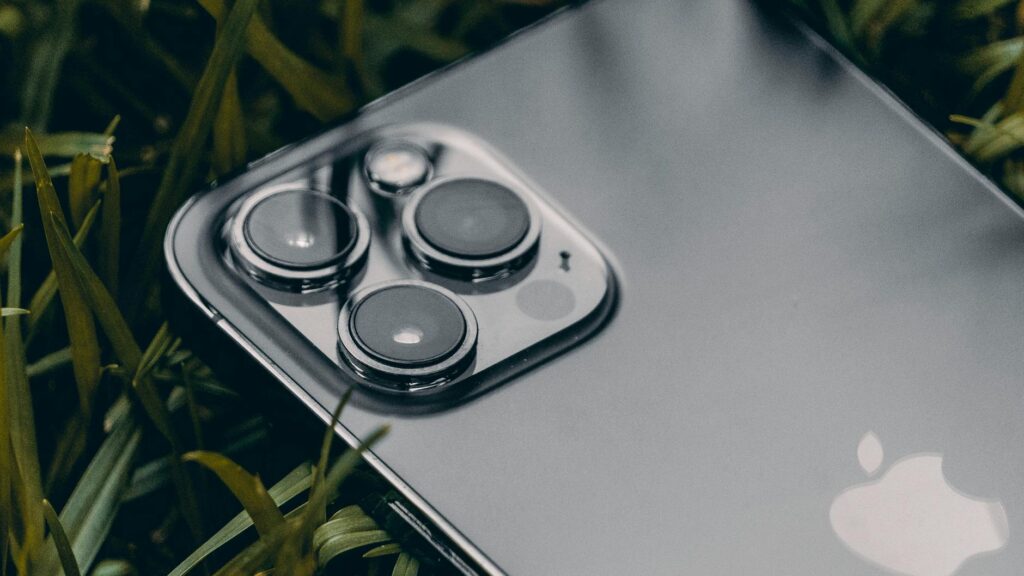
The iPhone Camera Revolution: From Point-and-Shoot to Pro Studio
Most people assume the iPhone camera has always been a powerhouse. The reality? Its journey from a basic snapper to the sophisticated imaging tool in the iPhone 18 Pro is a story of relentless innovation. As of May 2026, the iPhone 18 Pro represents the pinnacle of mobile photography, but it stands on the shoulders of giants – its predecessors.
Last updated: May 5, 2026
Key Takeaways
- The original iPhone camera in 2007 offered a basic 2MP fixed-focus experience, a far cry from today’s advanced systems.
- Significant leaps in sensor technology, aperture, and image processing defined early iPhone camera upgrades.
- Computational photography, introduced with advanced AI, became a major shift, enabling features like Portrait Mode and Night Mode.
- The iPhone 18 Pro boasts multi-lens systems, advanced computational photography, and professional-grade video capabilities that rival dedicated cameras.
- Understanding this evolution helps users leverage the full potential of their current iPhone camera.
The Genesis: The iPhone (1st Gen) and iPhone 3G
When the first iPhone launched in 2007, its 2-megapixel camera was a novelty, primarily intended for quick snapshots. It lacked autofocus and flash, making it a far cry from dedicated digital cameras of the era. The iPhone 3G, released the following year, kept a similar 2MP sensor but added basic video recording capabilities.
The practical takeaway here is that early smartphone cameras were an add-on, not a primary selling point. Users relied on them for convenience, not quality. For example, capturing a clear, well-lit photo in anything but ideal daylight was challenging. The fixed focus meant you had to be at the right distance for subjects to appear sharp.
Stepping Up: iPhone 4 and 4S
The iPhone 4, released in 2010, marked a significant leap with its 5-megapixel rear camera and LED flash. It introduced backside illumination for better low-light performance and 720p HD video recording. This was a critical step in positioning the iPhone as a viable camera for everyday moments.
The iPhone 4S followed in 2011, boosting the rear camera to 8 megapixels and enabling 1080p Full HD video. This generation also introduced advanced features like tap-to-focus and face detection, making the iPhone camera much more user-friendly and versatile. A practical tip from this era: tap-to-focus was revolutionary, allowing users to control where the camera focused, vastly improving shot composition and clarity for specific subjects.
The Megapixel Race and Beyond: iPhone 5 to iPhone 7 Plus
The iPhone 5 (2012) maintained the 8MP sensor but improved its quality and introduced a new panorama mode. The iPhone 5S (2013) brought a larger sensor and wider aperture (f/2.2) for even better low-light performance, along with slow-motion video recording.
The real major shift for many came with the iPhone 7 Plus in 2016. It introduced the dual-camera system, featuring a wide-angle lens and a telephoto lens. This enabled optical zoom (2x) and the much-loved Portrait Mode, which uses software to mimic the shallow depth-of-field effect of professional cameras. For instance, capturing a person with a beautifully blurred background (bokeh) became achievable for the average user.
Computational Photography Takes Center Stage: iPhone 8 to iPhone 13 Series
Starting with the iPhone 8 and 8 Plus in 2017, Apple heavily leaned into computational photography. Features like Portrait Lighting, Smart HDR, and Deep Fusion began to leverage the iPhone’s powerful Neural Engine to analyze scenes and optimize images in ways hardware alone couldn’t.
The iPhone 11 series (2019) introduced Night Mode, a feature that dramatically improved low-light photography by capturing multiple frames and combining them. This was a massive leap, making iPhone photos usable in conditions previously impossible. The iPhone 12 Pro Max (2020) further refined this with sensor-shift optical image stabilization and a larger sensor for even better low-light shots and smoother video.
The iPhone 13 Pro and Pro Max (2021) saw the introduction of Photographic Styles, allowing users to apply personalized tone and warmth preferences consistently across photos, and Cinematic Mode for video, which intelligently shifts focus in real-time to create a shallow depth-of-field effect, much like professional filmmaking. A practical tip: experiment with Photographic Styles to find your signature look before you even snap the photo.
The Pro Era: iPhone 14 Pro to iPhone 18 Pro (as of May 2026)
The iPhone 14 Pro (2022) introduced a groundbreaking 48-megapixel main camera, enabling ProRAW capture and improved detail. It also brought the Photonic Engine for enhanced image processing across all lenses.
As we look at the iPhone 18 Pro in 2026, the advancements are staggering. This generation continues to push boundaries with its enhanced 48MP main sensor, significantly larger than previous generations, offering incredible detail and low-light performance. The ultra-wide camera now features a wider aperture and improved macro capabilities, while the telephoto lens offers extended optical zoom ranges, often reaching 5x or even 10x optical zoom, thanks to periscope lens technology integrated discreetly.
Computational photography has reached new heights with AI-powered scene optimization that understands context—identifying subjects, lighting, and even mood. The iPhone 18 Pro can capture stunning cinematic video with real-time HDR, advanced color grading options, and support for multiple camera angles simultaneously during recording. Apple’s ProMotion display technology also plays a role, enabling smoother previewing of high-frame-rate video capture.
For photographers using the iPhone 18 Pro, the practical advice is to explore the ProRAW capabilities for maximum editing flexibility, especially in challenging lighting. The advanced AI features are largely automatic, but understanding their capabilities, like the enhanced semantic segmentation for Portrait Mode, can help you nail those difficult shots of complex subjects like hair or fur.
iPhone Camera Evolution: Key Milestones
Tracing the evolution, certain features stand out as transformative:
- 2007: First iPhone – Basic 2MP fixed-focus camera.
- 2010: iPhone 4 – 5MP sensor, LED flash, 720p HD video.
- 2011: iPhone 4S – 8MP sensor, 1080p HD video, tap-to-focus, face detection.
- 2016: iPhone 7 Plus – Dual-camera system, 2x optical zoom, Portrait Mode.
- 2019: iPhone 11 Series – Introduction of Night Mode.
- 2021: iPhone 13 Pro – Photographic Styles, Cinematic Mode.
- 2022: iPhone 14 Pro – 48MP Main camera, Photonic Engine.
- 2026: iPhone 18 Pro – Enhanced 48MP sensor, advanced periscope zoom, next-gen AI processing.
using Your iPhone Camera Today: Practical Tips for 2026
Regardless of which iPhone you own, understanding its capabilities can elevate your photography. Here are some tips:
- Master the Basics: Even with advanced features, good composition, lighting, and stability are key. Use the grid lines to frame shots and tap-to-focus to ensure your subject is sharp.
- Explore Portrait Mode: Use it not just for people but for objects and pets to create a professional-looking depth of field. Experiment with different Portrait Lighting effects.
- Embrace Night Mode: Don’t shy away from low-light situations. Hold your iPhone steady (or use a tripod) for the best results. You can often adjust the exposure time manually.
- Shoot in ProRAW (if available): For maximum editing control, shoot in ProRAW format on Pro models. This captures more image data, allowing for greater flexibility in post-production.
- Use the Ultra-Wide and Telephoto Lenses: Understand what each lens is best for. Ultra-wide is great for landscapes and tight spaces, while telephoto excels at bringing distant subjects closer without losing quality.
- Experiment with Cinematic Mode: For video, Cinematic Mode can add a professional touch. Practice shifting focus manually or let the AI do its job and refine it later in the Photos app.
- Clean Your Lenses: It sounds simple, but a smudged lens is the most common cause of blurry or hazy photos. Keep a microfiber cloth handy.
Common Mistakes and How to Avoid Them
Many users underuse their iPhone cameras by making common errors:
- Over-reliance on Digital Zoom: Digital zoom simply crops and enlarges the image, leading to a significant loss of quality. Always try to use the optical zoom lenses (telephoto) when available, or simply move closer if possible.
- Ignoring Manual Focus/Exposure: While automatic modes are excellent, sometimes the iPhone guesses wrong. Tapping on your subject often sets both focus and exposure, but you can then slide your finger up or down to manually adjust exposure for brighter or darker shots.
- Shooting in Poor Lighting Without Night Mode: Expecting a clear, bright photo in a dark room without engaging Night Mode will lead to grainy, unusable images. Let the feature do its work.
- Forgetting to Edit: Even the best photos can be improved with a little editing. Use the built-in Photos app or third-party apps to adjust brightness, contrast, and color.
- Not Backing Up Photos: The worst mistake is losing your precious memories. Ensure you have a strong backup strategy, like iCloud Photos or other cloud services.
The evolution of the iPhone camera is a testament to Apple’s commitment to integrating powerful technology into everyday devices. From its inception as a basic utility to its current status as a professional-grade imaging system in the iPhone 18 Pro as of May 2026, the journey has been remarkable.
Frequently Asked Questions
When did iPhone cameras start taking good photos?
While ‘good’ is subjective, the iPhone 4 in 2010 with its 5MP sensor and improved low-light performance marked a significant step. The iPhone 7 Plus in 2016, with its dual-lens system and Portrait Mode, made the iPhone a truly capable photographic tool for many users.
What is the biggest camera upgrade in the iPhone 18 Pro?
As of May 2026, the iPhone 18 Pro’s most significant camera upgrade is likely its further enhanced 48MP main sensor, coupled with advanced periscope telephoto lens technology offering extended optical zoom capabilities and next-generation AI image processing.
How does computational photography work on iPhones?
Computational photography uses software and AI, powered by the iPhone’s Neural Engine, to enhance images beyond what traditional camera hardware can achieve. It analyzes scenes, combines multiple exposures, and optimizes details, color, and dynamic range for better results, especially in challenging conditions.
Is the iPhone camera better than a DSLR?
For most casual users, the iPhone 18 Pro’s camera is more than sufficient and often superior due to its convenience and computational features. However, professional DSLRs and mirrorless cameras still offer greater control, larger sensors, interchangeable lenses, and superior performance in highly specialized scenarios.
What’s the difference between optical and digital zoom on iPhones?
Optical zoom uses lens elements to magnify the image without loss of quality, as seen in the telephoto lenses on Pro models. Digital zoom is simply a crop and enlargement of the image, resulting in a noticeable decrease in sharpness and detail.
Can I still use my old iPhone camera for good photos?
Absolutely! Even older iPhones can capture great photos in good lighting. Focus on composition, lighting, and using features like HDR. For low-light, results will be more limited compared to newer models, but don’t underestimate the power of a well-composed shot.
The evolution of the iPhone camera is a clear story of how software and hardware advancements combine to create an imaging device that fits in your pocket. From the basic 2MP sensor of the original iPhone to the sophisticated multi-lens array and AI-powered processing of the iPhone 18 Pro, each iteration has brought new possibilities to mobile photography and videography. Understanding this progression not only offers historical context but also empowers you to better use the powerful camera you have today.
Last reviewed: May 2026. Information current as of publication; pricing and product details may change.