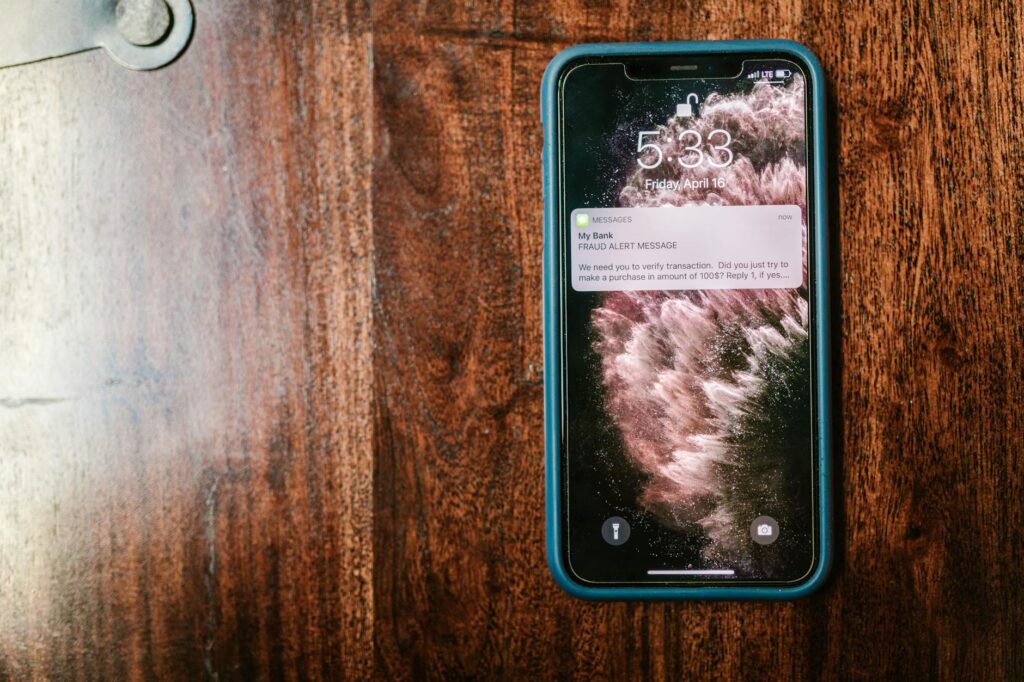
Data Breach Notifications: What to Do When Your Information is Compromised in 2026
Receiving a data breach notification can feel like a punch to the gut. You’ve trusted a company with your personal details, and now they’ve potentially fallen into the wrong hands. But before you spiral into panic, know this: there are concrete steps you can and should take right away to protect yourself. As of May 2026, understanding these actions is more crucial than ever in our increasingly digital world.
Last updated: May 5, 2026
Key Takeaways
- Act immediately upon receiving a data breach notification to mitigate potential harm.
- Scrutinize the notification for details about what data was compromised and the timeline of the breach.
- Implement enhanced security measures like strong, unique passwords and multi-factor authentication across your accounts.
- Monitor your financial accounts and credit reports closely for any suspicious activity.
- Consider placing fraud alerts or credit freezes if sensitive data like Social Security numbers were exposed.
Understand the Notification: What Did They Actually Say?
The first, most critical step is to actually read the notification. Companies are legally required in many jurisdictions to inform you about a breach affecting your personal data. These notices can be dense, but they hold vital clues. Look for details on what specific types of information were exposed. Was it just your email address, or did it include your Social Security number, financial account details, or health records? Knowing the scope of the compromise helps you understand the level of risk.
Also, pay attention to the timeline. When did the breach occur, and when was it discovered? This context can help you gauge how long your data might have been accessible to unauthorized parties. For instance, a breach discovered quickly after it happened might pose less immediate risk than one that went unnoticed for months. According to the Identity Theft Resource Center (ITRC) in 2025, the number of reported data breaches continued to rise, highlighting the importance of this awareness.
Immediate Security Steps: Lock Down Your Digital Life
Once you understand the nature of the breach, it’s time for swift action. The most common advice, and for good reason, is to change your passwords. If the compromised data included login credentials for a specific service, change that password immediately. Crucially, if you reuse passwords across multiple sites (a common but risky habit!), you need to update those other accounts too. Consider using a password manager to create and store strong, unique passwords for every online service.
Enabling multi-factor authentication (MFA), also known as two-factor authentication (2FA), wherever possible is another powerful step. MFA adds an extra layer of security, requiring more than just your password to log in – typically a code from your phone or a biometric scan. Many major services, including Google, Apple, and Microsoft, offer MFA options that can significantly deter unauthorized access even if your password is stolen.
Monitor Your Financial Accounts and Credit Reports
If your financial information was part of the data breach, vigilance is key. Start by closely monitoring your bank accounts, credit card statements, and any other financial platforms you use. Look for any transactions you don’t recognize. Many banks and credit card companies offer real-time alerts for suspicious activity; set these up if you haven’t already.
Beyond daily monitoring, it’s wise to obtain your credit reports from the three major credit bureaus: Equifax, Experian, and TransUnion. You’re entitled to a free credit report from each bureau annually at AnnualCreditReport.com. Reviewing these reports can reveal fraudulent accounts or inquiries that you didn’t authorize. As of 2026, proactive credit monitoring is often offered by companies themselves following a breach, but it’s essential to understand what it covers and for how long.
When to Consider a Fraud Alert or Credit Freeze
The decision to place a fraud alert or credit freeze depends heavily on the type of data compromised. If your Social Security number (SSN) or other highly sensitive personally identifiable information (PII) was exposed, these measures become highly recommended. A fraud alert requires potential creditors to take extra steps to verify your identity before opening new credit in your name. You can place a one-year initial fraud alert by contacting any of the three credit bureaus.
A credit freeze, also known as a security freeze, is more restrictive. It prevents credit bureaus from releasing your credit report to potential creditors without your explicit permission, effectively locking down your credit. This is a powerful tool against identity theft. You’ll need to contact each credit bureau individually to place and lift a freeze. Remember, while beneficial, a freeze can complicate legitimate credit applications, so you’ll need to temporarily lift it when applying for loans or new credit cards.
The Role of Credit Monitoring Services
Many companies that experience a data breach offer free credit monitoring services to affected individuals. While this can be a helpful perk, don’t rely on it as your sole defense. Understand the terms of the service: what exactly is it monitoring, and for how long? Typically, these services offer monitoring for one to two years. It’s important to be aware that even with monitoring, you still need to actively review your accounts and credit reports. For example, if a breach exposed your email and password, credit monitoring might not flag if a hacker uses those credentials to access a separate, unmonitored account like a social media profile.
Protecting Against Phishing and Social Engineering
Data breaches often make individuals more vulnerable to phishing attacks. Cybercriminals might use the leaked information to craft highly convincing emails or messages that appear to come from legitimate sources. These messages might urge you to click a link, download an attachment, or provide more personal information to ‘verify’ your account or resolve issues related to the breach. These are often called spear-phishing attacks when they’re highly targeted.
Always be skeptical of unsolicited communications. Verify the sender’s identity through a separate channel if you’re unsure. For example, if you receive an email from your bank about a security issue, don’t click the link in the email. Instead, go directly to your bank’s official website by typing the URL into your browser or call their customer service number from their official website. This simple step can prevent you from falling victim to follow-on attacks.
When to Report a Data Breach
Reporting a data breach can be important, especially if you believe the company didn’t handle it properly or if you’re a victim of identity theft. In the United States, you can report data breaches to the Federal Trade Commission (FTC) via ReportFraud.ftc.gov. This helps the FTC track patterns of fraud and abuse. If your SSN was compromised, consider filing a report with the FTC’s identitytheft.gov portal, which can help you create an identity theft recovery plan.
In Europe, the General Data Protection Regulation (GDPR) has specific requirements for data breach notifications and reporting to supervisory authorities. If you’re in the UK, the Information Commissioner’s Office (ICO) is the relevant body. Understanding your local data protection laws is key. As of 2026, many countries have strong data protection frameworks, and knowing your rights under them is empowering.
Understanding Your Rights and Legal Recourse
Data breach notifications are often accompanied by information about your rights. Depending on your location and the type of data compromised, you may have legal rights. In some cases, significant breaches can lead to class-action lawsuits. These lawsuits aim to compensate individuals for damages incurred due to negligence in protecting their data. While participating in a class-action lawsuit might not recover your full losses, it can provide some form of restitution.
If you believe a company was grossly negligent in protecting your data, consulting with a legal professional specializing in data privacy or consumer protection law might be a worthwhile step. They can advise on whether you have grounds for individual legal action or if you are eligible to join existing class-action suits. For example, if a company advertised strong security measures but failed to implement basic protections, that could be grounds for legal challenge.
A Real-World Scenario: The “Connect Easy” Breach
Let’s consider a hypothetical scenario involving “Connect Easy,” a popular online service for managing household smart devices. In late 2025, Connect Easy experienced a significant data breach. Their notification email stated that customer names, email addresses, and hashed passwords were compromised. Importantly, they confirmed that financial information was NOT accessed.
Here’s how a user, Sarah, might respond:
- Read the notification carefully: Sarah notes that only her name and email were directly exposed, along with her hashed password. Financial data was safe.
- Change password for Connect Easy: She immediately logs into her Connect Easy account and changes her password to a strong, unique one, enabling MFA.
- Check other accounts: Sarah realizes she used a similar password structure for her email and a streaming service. She logs into both and changes those passwords as well, ensuring they are unique and strong.
- Monitor email for phishing: She remains extra vigilant about emails claiming to be from ConnectEasy or her other online services, knowing they might be targeted phishing attempts.
- No SSN or financial data exposed: Since no SSN or financial details were compromised in this specific breach, Sarah decides against placing a fraud alert or credit freeze for now, but continues to monitor her accounts.
This example illustrates how a measured, step-by-step response tailored to the specific details of the breach can effectively mitigate risk.
Common Mistakes to Avoid After a Data Breach
One of the biggest mistakes people make is doing nothing. Overlooking a data breach notification or dismissing it as “just another email” can have serious consequences down the line. Another common error is reusing the same compromised password on multiple sites. If one account is breached, all accounts using that password become vulnerable.
Some individuals also fall victim to follow-up scams. Believing a fake “resolution” email that asks for more personal details is a critical error. Always go directly to the source by visiting the official website or calling customer service through a verified number. Finally, not understanding the difference between a fraud alert and a credit freeze can lead to either insufficient protection or unnecessary inconvenience.
Expert Tips for Proactive Data Protection
Beyond reacting to breaches, proactive measures are your best defense. Regularly review privacy settings on all your online accounts. Use strong, unique passwords for everything and enable MFA. Be cautious about what information you share online, especially on social media. Limit the amount of personal data you provide to businesses unless it’s absolutely necessary.
According to cybersecurity experts, practicing good digital hygiene is paramount. This includes keeping your operating systems and software updated, as updates often patch security vulnerabilities. Use reputable antivirus software and be wary of public Wi-Fi networks for sensitive transactions. A layered approach to security, combining technical measures with user awareness, is the most effective strategy. For more on securing your digital footprint, explore Best VPN Services for Mobile Security in 2026: Stay Safe Online on general cybersecurity best practices.
Frequently Asked Questions
What is a data breach notification?
A data breach notification is a formal communication from an organization informing individuals that their personal information may have been accessed or exposed due to a security incident.
How quickly should I respond to a data breach notification?
You should act as quickly as possible, ideally within 24–48 hours of receiving the notification, to implement necessary security measures and start monitoring your accounts.
Is credit monitoring really necessary after a data breach?
Credit monitoring is highly recommended if sensitive data like Social Security numbers or financial details were compromised. It helps detect fraudulent activity early.
Can I sue a company if my data is breached?
In some cases, yes, especially if the company was demonstrably negligent in protecting your data. Class-action lawsuits are common following large-scale breaches.
What’s the difference between a fraud alert and a credit freeze?
A fraud alert makes it harder for someone to open credit in your name by requiring extra verification. A credit freeze completely restricts access to your credit report, preventing any new credit from being opened.
How do I know if my information was in a recent data breach?
Check the notification you received. You can also use services like “Have I Been Pwned” (though this is not affiliated with Bloxtra) to see if your email address appears in known data breach databases.
What happens if I ignore a data breach notification?
Ignoring a notification can leave you vulnerable to identity theft, financial fraud, and other malicious activities stemming from the compromised data, with limited recourse later.
Ultimately, a data breach notification is a call to action. By understanding the risks, taking immediate protective steps, and maintaining ongoing vigilance, you can significantly reduce the potential damage to your personal and financial security. Staying informed and proactive is your strongest defense Right now.
Last reviewed: May 2026. Information current as of publication; pricing and product details may change.