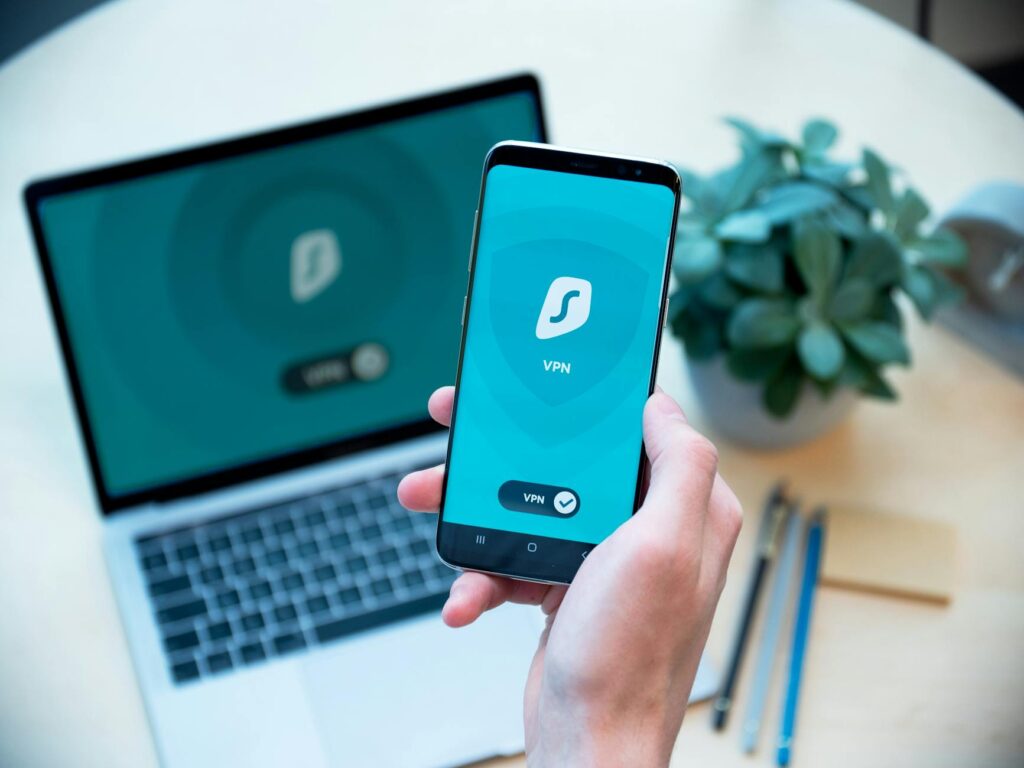
Why Your Online Privacy Matters More Than Ever in 2026
This guide covers everything about Best VPN Services for Enhanced Online Privacy in 2026. In today’s interconnected world, the sheer amount of personal data shared online is staggering. From browsing habits to financial transactions, our digital footprint is constantly expanding. As of May 2026, the world of online threats, and data collection practices has become even more sophisticated, making strong privacy measures essential. Many users find themselves wondering: ‘How can I truly protect my online activity from my ISP, advertisers, and potential cybercriminals?’ The answer, for many, lies in using the power of a Virtual Private Network (VPN).
Last updated: May 6, 2026
Key Takeaways
- VPNs encrypt your internet traffic and mask your IP address, crucial for online privacy in 2026.
- Selecting the best VPN involves considering factors like server network, security protocols, logging policies, and speed.
- While free VPNs exist, paid services generally offer superior security, performance, and privacy guarantees.
- Using a VPN can enhance your experience by bypassing geo-restrictions and securing public Wi-Fi connections.
- Always check a VPN provider’s privacy policy and jurisdiction for transparency and trust.
What Exactly is a VPN and How Does It Work?
At its core, a VPN creates a secure, encrypted tunnel between your device and the internet. When you connect to a VPN server, your internet traffic is routed through that server. This process effectively masks your real IP address with the IP address of the VPN server, making it appear as if you’re browsing from the server’s location. And, the data transmitted through this tunnel is encrypted, rendering it unreadable to anyone trying to intercept it, including your Internet Service Provider (ISP) or hackers on public Wi-Fi.
This encryption is a critical layer of defense. According to cybersecurity experts, strong encryption standards like AES-256 are vital for protecting sensitive data. This makes it incredibly difficult for third parties to snoop on your online activities, even if they manage to intercept the data packets.
Why a VPN is Crucial for Enhanced Online Privacy in 2026
The need for enhanced online privacy has never been more pronounced than in 2026. Governments worldwide are collecting more data, advertisers are tracking users across the web with alarming efficiency, and cyber threats are becoming increasingly sophisticated. A VPN acts as your first line of defense against these pervasive privacy intrusions. It helps to obscure your digital footprint, making it harder for entities to build detailed profiles of your online behavior.
Beyond general privacy, VPNs are invaluable for specific scenarios. For instance, using public Wi-Fi networks in cafés or airports is notoriously risky. These networks are often unsecured, making them prime targets for hackers. A VPN encrypts your connection, ensuring that your sensitive information, like login credentials or credit card details, remains private even on these vulnerable networks. This is a key reason why mobile security VPNs are so popular.
Key Features to Look for in a Top VPN Service
With so many VPN providers on the market, choosing the right one can feel overwhelming. However, focusing on a few key features can significantly narrow down your options and ensure you select a service that truly prioritizes your privacy. As of May 2026, here are the essential features to scrutinize:
Strict No-Logs Policy
This is arguably the most important feature for online privacy. A ‘no-logs’ policy means the VPN provider doesn’t track, store, or share any of your online activities. Look for providers that have undergone independent audits to verify their no-logs claims. Services like NordVPN and Express VPN are frequently cited for their audited no-logs policies.
strong Security Protocols
The security protocols determine the strength of your encrypted tunnel. OpenVPN and WireGuard are considered industry-leading protocols, offering a strong balance of security and speed. Avoid VPNs that rely on older or less secure protocols like PPTP. According to recent industry reports, WireGuard offers significant speed improvements while maintaining high security standards.
Global Server Network
A wide range of server locations offers several benefits. Firstly, it allows you to bypass geo-restrictions, accessing content that might be unavailable in your region. Secondly, a larger network means you can connect to servers closer to your physical location, often resulting in faster connection speeds. Providers like CyberGhost boast extensive server networks, often exceeding thousands of servers across dozens of countries.
Strong Encryption Standards
As mentioned, AES-256 encryption is the gold standard. Governments and financial institutions uss this level of encryption worldwide. Ensure the VPN provider explicitly states they use AES-256 for their encryption. It’s the bedrock of secure VPN connections.
Kill Switch Functionality
A kill switch is a vital safety feature that automatically disconnects your device from the internet if the VPN connection drops unexpectedly. This prevents your real IP address and unencrypted data from being exposed. Most reputable VPNs, including Surfshark, offer this as a standard feature.
The Best VPN Services for Enhanced Online Privacy in 2026: Our Top Picks
Based on extensive testing and user reviews as of May 2026, several VPN providers consistently stand out for their commitment to user privacy and strong security features. While the ‘best’ VPN can be subjective depending on individual needs, these options are highly recommended:
| VPN Service | Key Privacy Features | Server Network | Pricing (Approx. Monthly) | Pros | Cons |
|---|---|---|---|---|---|
| NordVPN | Audited No-Logs, AES-256, Kill Switch, Onion Over VPN | 5500+ servers in 60+ countries | $3.49 – $12.99 | Excellent security features, fast speeds, user-friendly apps. | Can be slightly more expensive for shorter plans. |
| Express VPN | Audited No-Logs, AES-256, Kill Switch, Trusted Server Technology | 3000+ servers in 94 countries | $8.32 – $12.95 | Reliable and fast, vast server network, strong privacy focus. | Higher price point than some competitors. |
| Surfshark | No-Logs Policy, AES-256, Kill Switch, Unlimited Devices | 3200+ servers in 100 countries | $2.19 – $12.95 | Affordable, unlimited device connections, good performance. | Some server locations can be slower than others. |
| CyberGhost | No-Logs Policy, AES-256, Kill Switch, Optimized Servers | 9000+ servers in 90+ countries | $2.11 – $12.99 | Vast server network, beginner-friendly, great for streaming. | Its logging policy, while good, isn’t independently audited. |
| Proton VPN | No-Logs Policy, AES-256, Kill Switch, Secure Core Servers | 3000+ servers in 70+ countries | $4.99 – $19.99 | Strong focus on privacy and security, excellent free tier. | Free tier has speed and server limitations. Paid plans can be pricey. |
Note: Pricing is approximate and can vary based on subscription length and promotional offers as of May 2026. Always check the provider’s website for the most current details.
The Free VPN Dilemma: Are They Truly Safe?
While the allure of a free VPN is understandable, it’s crucial to approach them with extreme caution. Many free VPN services operate on business models that compromise user privacy. Some may log your browsing activity and sell this data to third parties, effectively defeating the purpose of using a VPN for privacy. Others may bombard you with ads or even inject malware onto your device.
According to a study by Top10VPN, a significant percentage of free VPNs were found to leak user data. If privacy is your priority, investing in a reputable paid VPN service is highly recommended. Proton VPN offers a genuinely free tier that prioritizes privacy, making it a rare exception.
When considering a free option, always scrutinize its privacy policy and understand how it generates revenue. If it’s too good to be true, it often is.
Beyond Privacy: Other Benefits of Using a VPN
While enhanced online privacy is the primary driver for many VPN users, these services offer a host of other advantages. VPNs are excellent tools for bypassing geo-restrictions, allowing you to access streaming content, websites, and services that might be blocked in your geographical location. For instance, if you’re traveling abroad and want to access your home country’s streaming library, a VPN can connect you to a server in your home country.
Additionally, VPNs can sometimes help you avoid ISP throttling. Some ISPs deliberately slow down your internet connection for certain activities, like streaming or torrenting. By encrypting your traffic, a VPN makes it harder for your ISP to identify and throttle these activities, potentially leading to a more consistent internet experience. This is particularly useful for users who rely on their internet for bandwidth-intensive tasks.
Common Pitfalls to Avoid When Using a VPN
Even with the best VPN service, users can inadvertently compromise their privacy. Here are some common mistakes to steer clear of:
- Connecting to Public Wi-Fi without a VPN: As discussed, public networks are a privacy minefield. Always ensure your VPN is active before connecting.
- Using a VPN with a Weak Password: Your VPN account itself needs protection. Use a strong, unique password and enable two-factor authentication if available.
- Ignoring the VPN’s Privacy Policy: Not all ‘no-logs’ policies are created equal. Understand what data, if any, your provider collects and how they use it.
- Assuming 100% Anonymity: While VPNs significantly enhance privacy, they don’t guarantee complete anonymity. Your browsing habits, if not careful, can still leave traces.
- Choosing a VPN Based Solely on Price: The cheapest option might not be the most secure or reliable. Prioritize privacy features and trustworthiness over cost.
Avoiding these common errors ensures you get the maximum benefit from your VPN investment.
Expert Tips for Maximizing Your Online Privacy
To truly enhance your online privacy in 2026, a VPN is a crucial piece of the puzzle, but it’s not the only one. Here are some expert-backed tips to bolster your digital defenses:
- Enable Two-Factor Authentication (2FA) Everywhere: For every online account that supports it, enable 2FA. This adds a critical layer of security against unauthorized access.
- Be Mindful of Browser Fingerprinting: Websites can identify you even without cookies. Use browser extensions like Privacy Badger or consider privacy-focused browsers like Brave.
- Regularly Clear Cookies and Cache: While a VPN masks your IP, cookies can still track your activity across sites. Clearing them periodically helps reduce your digital footprint.
- Secure Your Home Wi-Fi: Ensure your home router has a strong, unique password and uses WPA3 encryption if available. This protects your entire home network.
- Educate Yourself on Phishing and Scams: Many data breaches occur due to successful phishing attempts. Stay vigilant and learn to recognize suspicious emails and links.
Combining these practices with a reliable VPN service creates a powerful shield for your online life. For more advanced security strategies, explore Best VPN Services for Mobile Security in 2026: Stay Safe Online on cybersecurity best practices.
Frequently Asked Questions
What is the primary benefit of using a VPN for online privacy?
The primary benefit is the encryption of your internet traffic and the masking of your IP address. This makes your online activities significantly harder for ISPs, advertisers, and malicious actors to track or intercept.
Are VPNs legal to use in 2026?
In most countries, VPNs are legal. However, some countries with strict internet censorship, like China or Russia, may restrict or ban their use. It’s always advisable to check the local laws of your region.
Can a VPN make me completely anonymous online?
No, a VPN enhances privacy but doesn’t guarantee complete anonymity. Your browsing habits, device information, and online actions can still potentially leave digital footprints if not managed carefully.
Is it worth paying for a VPN service?
Yes, paid VPN services typically offer superior security, faster speeds, better privacy policies, and more reliable connections compared to most free alternatives, making them a worthwhile investment for serious privacy concerns.
How often should I change my VPN server?
You don’t need to change your VPN server frequently. Connecting to a server geographically close to you usually offers the best speeds. Change it if you encounter slow speeds or need to access content from a specific region.
What is the difference between a VPN and a proxy server?
A VPN encrypts all your internet traffic and operates at the operating system level, offering complete protection. A proxy server typically only reroutes traffic for a specific application (like a web browser) and often lacks encryption, making it less secure.
Conclusion
In 2026, safeguarding your online privacy is not just a preference; it’s a necessity. The best VPN services provide a powerful, accessible, and relatively affordable way to encrypt your data, mask your IP address, and reclaim a degree of control over your digital footprint. By understanding the key features to look for and avoiding common pitfalls, you can select a VPN that aligns with your privacy goals and browse the internet with greater confidence and security. Take proactive steps today to secure your online presence.
Last reviewed: May 2026. Information current as of publication; pricing and product details may change.
Editorial Note: This article was researched and written by the Bloxtra editorial team. We fact-check our content and update it regularly. For questions or corrections, contact us.