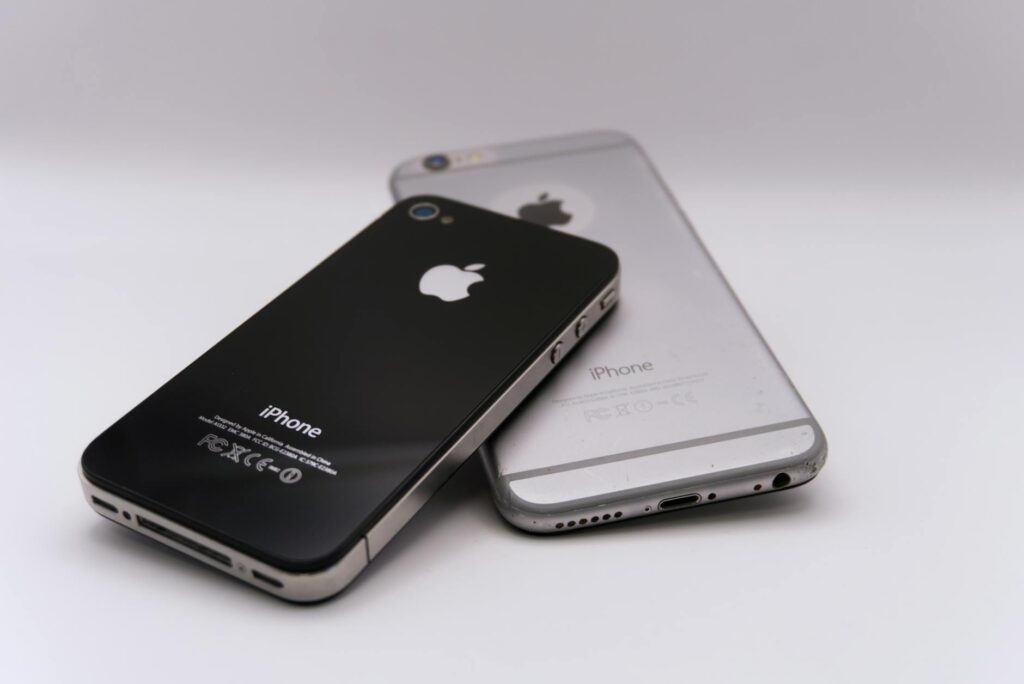
Why You’re Probably Overpaying for Your Next iPhone
Most people upgrade their iPhone when their current one feels a bit sluggish or when the shiny new model is announced. But what if you could time your purchase to get significantly more bang for your buck? As of May 2026, smart timing can mean saving hundreds of dollars.
Last updated: May 5, 2026
Key Takeaways
- Apple typically announces new iPhones in September, with releases following shortly after.
- The best time for maximum value is often just before a new model launch or during major seasonal sales events.
- Trading in your old iPhone when its value is highest is crucial for overall cost savings.
- Consider refurbished models or older generation iPhones for substantial savings.
- Carrier and retailer deals can offer significant discounts, especially around holidays.
Understanding Apple’s iPhone Release Cycle
Apple has a pretty predictable rhythm when it comes to releasing new iPhones. For years, they’ve consistently unveiled their latest models in early to mid-September. This is usually followed by the devices becoming available for purchase a week or two later.
The iPhone 17 lineup, for instance, followed this pattern in September 2025. We can anticipate the iPhone 18 series to do the same in September 2026. Knowing this cycle is the first step in timing your upgrade for maximum value.
This September launch means that the preceding months, particularly July and August, often see retailers offering discounts on the current generation iPhone (the iPhone 17 series as of May 2026). It’s a strategic move to clear inventory before the new models drop.
A practical insight here: if you don’t need the absolute latest features, buying a slightly older model just before the new one launches can present a substantial saving. For example, buying an iPhone 17 in August 2026 might be significantly cheaper than buying it in October 2025.
The Sweet Spot: When to Buy for Top Deals
So, when is the absolute sweet spot for buying a new iPhone? It often boils down to two key periods: right before a new model is announced, or during major shopping holidays.
The period leading up to Apple’s September event is prime time for deals on the current generation. Retailers want to move their stock. You might see discounts from carriers, big-box stores, and even Apple’s own refurbished section.
Major sale events are another goldmine. Black Friday (late November) and Cyber Monday (the Monday after Thanksgiving) consistently bring some of the best iPhone deals of the year. These often include bundled offers, trade-in bonuses, or direct price cuts.
Consider this scenario: A student in California needs a new iPhone for college. Instead of buying the newest model at full price in September 2026, they wait until Black Friday. They snag an iPhone 18 with a $150 discount and a free pair of AirPods pros, saving considerably over buying it outright earlier.
Maximizing iPhone Trade-In Value
One of the biggest factors in the overall cost of upgrading is the trade-in value of your old iPhone. Timing this correctly is just as important as when you buy the new one.
Generally, your iPhone’s trade-in value is highest right before a new model is released. As soon as a new iPhone hits the market, the value of the previous generation begins to depreciate more rapidly. Apple itself, and third-party resellers, will adjust their buy-back prices downwards.
So, if you’re planning to upgrade, aim to trade in your current device in August or early September 2026, just before the iPhone 18 is announced. You’ll likely get more for it than you would a month later.
According to CNET (2026), devices often see a 10-20% drop in resale value within weeks of a new flagship release. This highlights the urgency of trading in your old phone at the right moment.
For example, an iPhone 16 Pro that might fetch $400 in late August 2026 could be worth only $300-350 by mid-October 2026. Selling it privately might yield even more, but requires more effort.
When Not to Buy: Avoiding Price Dips and Obsolete Tech
While September is often exciting, it’s not always the best time to buy if you’re seeking the absolute lowest price on the latest tech. Immediately after a new iPhone launch, prices are at their peak. If you buy on launch day, you’re paying a premium for being first.
Conversely, waiting too long after a new model release can also be a misstep. If you hold onto an older iPhone for too many generations, its resale value plummets, and you miss out on significant performance and feature upgrades.
For instance, holding onto an iPhone 14 until the iPhone 19 is released in 2028 would likely result in a very low trade-in value, and you’d be using a phone that’s four years old, potentially missing out on critical security updates and app compatibility.
The key is finding that balance. Upgrading every two years typically offers a good mix of new features and retained value. Buying an iPhone 17 in late 2025 or early 2026, then upgrading to the iPhone 18 in late 2026 or early 2027, strikes a reasonable chord.
Exploring Alternatives: Refurbished and Older Models
The desire for a new iPhone doesn’t always have to mean buying the latest flagship at full price. Apple’s certified refurbished program offers a fantastic way to get a high-quality device at a significantly lower cost.
Refurbished iPhones from Apple come with a new battery and outer shell, a one-year warranty, and are eligible for AppleCare. They are essentially like new, but often come with a 10-15% discount. As of May 2026, you can find excellent deals on refurbished iPhone 16 and iPhone 17 models.
Furthermore, consider older generations. The iPhone 16 series, for example, still offers excellent performance for most users and will be considerably cheaper than the iPhone 17 or 18. Retailers often discount these models heavily once newer ones are out.
A common mistake is assuming ‘new’ always means ‘best value’. For many users, a refurbished iPhone 17 Pro or even a new iPhone 16 Pro provides more than enough power and features at a fraction of the cost of the newest model. This is a smart upgrade path for budget-conscious buyers.
Carrier and Retailer Deals: Beyond Apple
Apple isn’t the only place to buy an iPhone. Mobile carriers (like Verizon, AT&T, T-Mobile) and major retailers (Best Buy, Amazon, Walmart) frequently offer their own promotions.
These deals can be very attractive, especially if you’re signing up for a new service plan or trading in a device. Sometimes, you can get a new iPhone for effectively free after bill credits over 24 or 36 months. However, always read the fine print carefully regarding contract lengths and potential hidden fees.
For example, a Mother’s Day promotion in May 2026 might offer $300 off an iPhone 17 with a trade-in and a new unlimited plan. This can be a great deal if you were already planning to switch carriers or upgrade your plan.
The 9to5Toys and Tom’s Guide often track these deals, reporting on the best iPhone 17 deals in May 2026 and similar promotions throughout the year.
Factors Affecting Your Personal Upgrade Timing
Ultimately, the ‘when to buy’ decision is personal. Your individual circumstances play a huge role. Consider these questions:
- Budget: How much can you realistically spend? Are you looking for the cheapest option or willing to pay more for the latest tech?
- Needs: What do you use your iPhone for? Basic calls and texts, or demanding photography, gaming, and video editing?
- Current Device Condition: Is your current iPhone broken, slow, or lacking essential features like security updates?
- Contract Status: Are you locked into a carrier contract that prevents an easy upgrade?
If your current iPhone is still performing well and meets your needs, waiting for the next generation or for a significant sale event makes the most sense. However, if your phone is struggling to keep up, or if a fantastic deal aligns with your budget, now might be the time.
Common Mistakes to Avoid When Buying a New iPhone
People often make a few key errors when trying to time their iPhone purchase. The most common is succumbing to the hype of the newest model without considering if it truly meets their needs or budget.
Another mistake is not valuing their old device properly. Holding onto an outdated phone for too long, or not researching the best trade-in options, can significantly increase the net cost of an upgrade. Selling privately often yields more but requires considerable effort and risk.
Furthermore, many overlook the benefits of refurbished or older-generation models. The perception that only the brand-new flagship offers a good experience is a myth for many users. A certified refurbished iPhone 17, for example, can offer near-new performance at a reduced price.
A practical tip: Always compare the net cost. Calculate the price of the new iPhone minus the trade-in value of your old one. This gives you a clearer picture of the actual expenditure.
Tips for Getting the Best iPhone Value
To truly time your upgrade for maximum value, integrate these tips:
- Follow Apple’s Launch Schedule: Know that new iPhones typically drop in September. Plan your purchase or trade-in accordingly.
- Hunt for Seasonal Sales: Black Friday, Cyber Monday, and even Mother’s Day or back-to-school sales can offer substantial discounts.
- Track Trade-In Values: Monitor what your current iPhone is worth across different platforms (Apple, carriers, resellers) before the next model launches.
- Consider Refurbished: Apple’s certified refurbished iPhones are a smart, cost-effective option.
- Compare Carrier and Retailer Deals: Don’t just look at Apple. Promotions from other vendors can be very competitive.
- Buy Unlocked if Possible: Unlocked iPhones offer more flexibility and can sometimes be cheaper in the long run, avoiding carrier lock-in fees.
By combining these strategies, you can Handle the iPhone upgrade cycle like a pro, ensuring you get the most for your money in 2026 and beyond.
Frequently Asked Questions
What is the typical release date for new iPhones?
Apple usually announces new iPhone models in early to mid-September each year. Availability for purchase typically follows about one to two weeks after the announcement event.
When should I sell my old iPhone to get the best price?
To maximize your return, it’s best to sell or trade in your current iPhone in the weeks leading up to Apple’s new model announcement, typically in August or early September. Its value declines significantly once a new model is released.
Are refurbished iPhones a good value?
Yes, certified refurbished iPhones from Apple are an excellent value. They come with a new battery and outer shell, a full one-year warranty, and are eligible for AppleCare, offering near-new condition at a lower price.
When are the best iPhone deals usually available?
The best iPhone deals typically appear during major sale events like Black Friday and Cyber Monday in late November. However, seasonal sales and carrier promotions can occur throughout the year.
Should I buy an iPhone when it first comes out?
Buying an iPhone immediately upon release means paying the highest price. Waiting a few months or until a major sale event, or considering the previous generation, often leads to better value.
What is the iPhone upgrade cycle?
The iPhone upgrade cycle refers to how often users typically replace their iPhones. While some upgrade annually, a more cost-effective cycle for maximizing value is often every two to three years.
Last reviewed: May 2026. Information current as of publication; pricing and product details may change.