silicon, including potential A19 and M-series variants, will likely focus on even greater AI capabilities and power efficiency.
Technology
Apple’s A18 Bionic Chip: Understanding the Future of
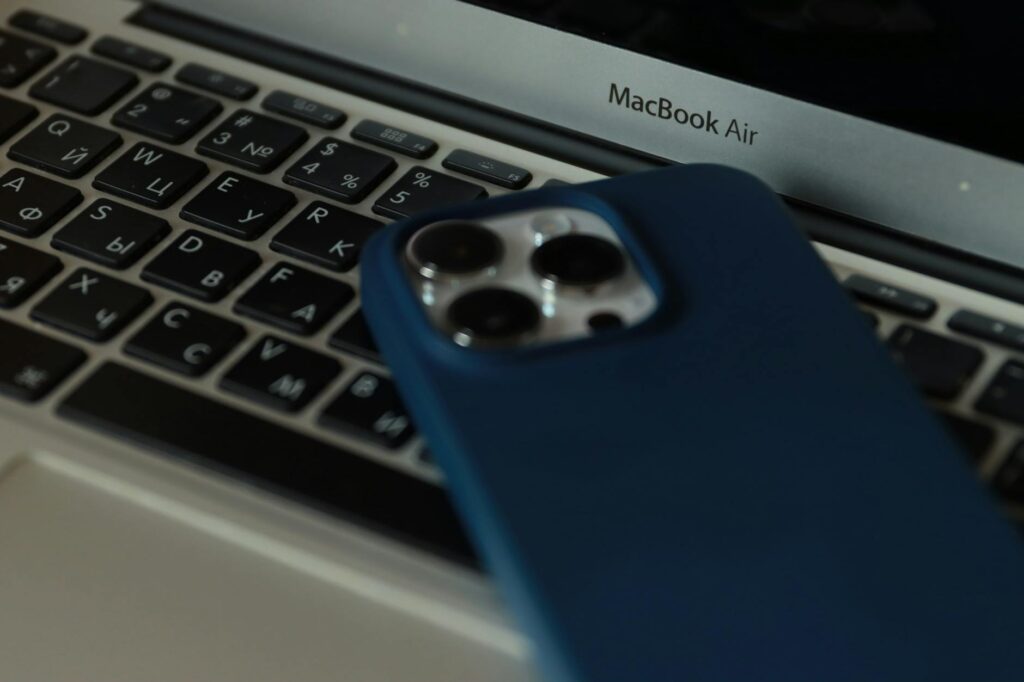
What Makes the A18 Bionic Tick?
At its core, the A18 Bionic, which debuted in the iPhone 18 lineup in late 2025, is a marvel of engineering. It’s not just a faster processor; it’s a sophisticated System on a Chip (SoC) that integrates multiple components onto a single piece of silicon. This includes the central processing unit (CPU), graphics processing unit (GPU), Neural Engine, and other specialised controllers.
The CPU, built on an advanced 3nm process by TSMC, delivers impressive gains in both raw performance and power efficiency. This means your apps launch faster, multitasking is smoother, and even demanding games run without a hitch. For instance, professional video editing on an iPhone 18 Pro feels remarkably fluid, a testament to the A18’s enhanced processing power compared to the A17 Pro.
Practically, this translates to a snappier user experience. Scrolling through social media feeds is buttery smooth, and switching between apps is almost instantaneous. This level of responsiveness is something users have come to expect from Apple devices.
The Power of the Neural Engine: AI at the Edge
Perhaps the most exciting aspect of Apple’s chip technology is the Neural Engine. The A18 Bionic features a significantly upgraded 16-core Neural Engine, capable of performing trillions of operations per second. This is the engine that powers on-device artificial intelligence and machine learning tasks, making your iPhone smarter and more intuitive.
Consider real-time language translation. With the A18 Bionic, your iPhone can now translate conversations between languages directly on the device, without needing an internet connection. This not only enhances privacy but also makes it incredibly useful when travelling. Another example is the advanced computational photography found in the iPhone 18 Pro. The Neural Engine analyzes scenes in real-time, optimising exposure, colour, and detail for stunning photos, even in challenging lighting conditions.
The practical takeaway here is that AI is no longer a futuristic concept; it’s a deeply integrated part of your daily device interactions. From predictive text that actually predicts what you’ll type next to photo editing that intelligently enhances your shots, the Neural Engine is working silently in the background.
GPU Performance: Powering Graphics and Beyond
The graphics processing unit (GPU) within the A18 Bionic also sees a substantial upgrade. Apple has been steadily improving its custom GPU designs, and the A18 is no exception. This enhanced GPU is crucial for everything from gaming to augmented reality (AR) experiences.
Mobile gaming has reached console-like levels of fidelity, and the A18 Bionic’s GPU is a key enabler. Games like ‘Genshin Impact’ or ‘Call of Duty: Mobile’ look breathtakingly realistic, with complex lighting effects and smooth frame rates. For developers, this opens up new possibilities for creating immersive AR applications that overlay digital information onto the real world.
A practical application might be in education, where AR apps can bring historical artifacts or complex biological models to life right in the classroom, powered by the A18’s graphics prowess. The improved GPU ensures these experiences are not just visually impressive but also responsive and smooth.
Apple’s Integrated Design Philosophy: Hardware Meets Software
One of Apple’s most significant competitive advantages is its ability to design both the hardware (the chips) and the software (iOS/iPadOS). This tight integration allows for unparalleled optimization.
Unlike many competitors who rely on off-the-shelf components, Apple designs its A-series chips with its operating systems in mind. This means the silicon is tailor-made to run iOS and its applications as efficiently as possible. According to Apple (2025), this approach leads to better performance, longer battery life, and enhanced security features that are deeply embedded within the hardware and software stack.
This combination is why an iPhone with an A18 Bionic chip often feels more powerful and responsive than an Android device with technically comparable or even higher-spec components on paper. It’s the complete approach that makes the difference.
Beyond A18 Bionic: What’s Next for Apple Silicon?
While the A18 Bionic is the star of the 2025-2026 lineup, Apple’s silicon roadmap extends far beyond. The company is constantly researching and developing next-generation chips. We can anticipate the A19 Bionic, likely appearing in the iPhone 19 series in late 2026, will push the envelope even further, particularly in AI and power efficiency.
There’s also speculation about even more specialised chips or further integration of capabilities currently handled by separate components. For instance, Apple’s increasing focus on AR/VR could lead to chips with dedicated graphics and AI processing pipelines designed specifically for immersive experiences. The M-series chips in Macs and iPads have shown Apple’s ambition to bring its silicon prowess to more powerful devices, and lessons learned there often trickle down to the A-series.
The move towards even more advanced manufacturing nodes, like 2nm or below, will continue to enable smaller, more powerful, and more energy-efficient chips. This relentless pursuit of silicon innovation is what keeps Apple devices at the forefront of mobile technology.
Practical Tips for Maximizing Your Apple Chip’s Potential
Understanding Apple’s chip technology isn’t just academic; it can help you get the most out of your device.
- Keep Your Software Updated: Apple frequently releases software updates that optimise performance and introduce new features using the Neural Engine and GPU. Ensure your iPhone 18 or other Apple device is running the latest version of iOS.
- Use On-Device AI Features: Explore features like Live Text (which recognizes text in images), Siri’s enhanced capabilities, and real-time translation. These are prime examples of your chip’s advanced AI at work.
- Manage Battery Life Wisely: While Apple chips are very power-efficient, demanding tasks like gaming or intensive video editing will consume more battery. Be mindful of these activities, especially when away from a charger.
- Explore Third-Party Apps using AI: Many developers are now creating apps that take advantage of the Neural Engine. Look for apps that offer AI-powered photo editing, advanced language learning, or innovative AR experiences.
These practical steps help you harness the full power of the silicon inside your Apple devices, ensuring you benefit from the latest advancements in performance and intelligence.
Common Misconceptions About Apple’s Chips
One common mistake is equating raw clock speed with overall performance. While important, the A18 Bionic’s efficiency and the integration of specialised cores like the Neural Engine are equally, if not more, critical for real-world user experience. Simply looking at a single spec doesn’t tell the whole story.
Another misconception is that Apple’s chips are only for iPhones. As seen with the M-series in Macs and iPads, Apple’s custom silicon strategy is a company-wide effort, designed to provide a consistent, high-performance experience across its entire product ecosystem. The core architecture and design philosophy often share common DNA.
Expert Insights: The Strategic Advantage of Apple Silicon
According to a 2026 report by Tech Insights, Apple’s vertical integration strategy, from chip design to software, provides a significant competitive moat. Understanding Apple’s Chip Technology: A18 Bionic and Beyond allows them to innovate at a pace that’s difficult for competitors who rely on multiple third-party suppliers to match. This strategic advantage ensures that Apple’s devices remain at the cutting edge of performance, efficiency, and AI capabilities.
The focus on custom silicon also allows Apple to control its supply chain more effectively, mitigating some of the global chip shortage issues that have affected other manufacturers. This has been crucial in ensuring the availability of their latest devices, like the iPhone 18.
Frequently Asked Questions
What is the main advantage of the A18 Bionic chip?
The A18 Bionic’s main advantage lies in its balanced performance gains across CPU, GPU, and especially its significantly enhanced Neural Engine for advanced on-device AI tasks, all while maintaining or improving power efficiency.
How does the A18 Bionic differ from the A17 Pro?
The A18 Bionic offers a more powerful and efficient CPU and GPU, alongside a considerably faster and more capable Neural Engine. Understanding Apple’s Chip Technology: A18 Bionic and Beyond allows for more complex AI computations, better AR experiences, and improved computational photography.
When will the A19 Bionic be released?
While not officially announced, Apple typically releases new A-series chips with new iPhone models. The A19 Bionic is widely expected to debut with the iPhone 19 lineup in late 2026.
Are Apple’s chips better than competitors’?
Apple’s A-series chips are consistently top-performers in mobile benchmarks, largely due to their custom design, tight hardware-software integration, and focus on AI acceleration via the Neural Engine.
What is Apple’s strategy with custom silicon?
Apple’s strategy is to design its own chips to optimise performance, power efficiency, and security across its product lines, giving it a significant competitive advantage in hardware-software integration.
Can the A18 Bionic support advanced AR/VR?
Yes, the enhanced GPU and Neural Engine in the A18 Bionic provide the necessary power and AI capabilities for more sophisticated augmented reality experiences and potentially future virtual reality integrations on Apple devices.
Conclusion: The Future is Silicon
Understanding Apple’s chip technology, particularly the A18 Bionic and its successors, reveals a deep commitment to innovation that impacts every facet of the user experience. From the speed at which you open apps to the intelligence behind your photos and the seamlessness of AI features, these chips are the silent workhorses driving Apple’s ecosystem forward. As we look ahead to the A19 Bionic and beyond, it’s clear that Apple’s silicon strategy will continue to define the future of personal technology. For users, this means more powerful, intelligent, and efficient devices are always on the horizon.
Last reviewed: May 2026. Information current as of publication; pricing and product details may change.
Editorial Note: This article was researched and written by the Bloxtra editorial team. We fact-check our content and update it regularly. For questions or corrections, contact us.