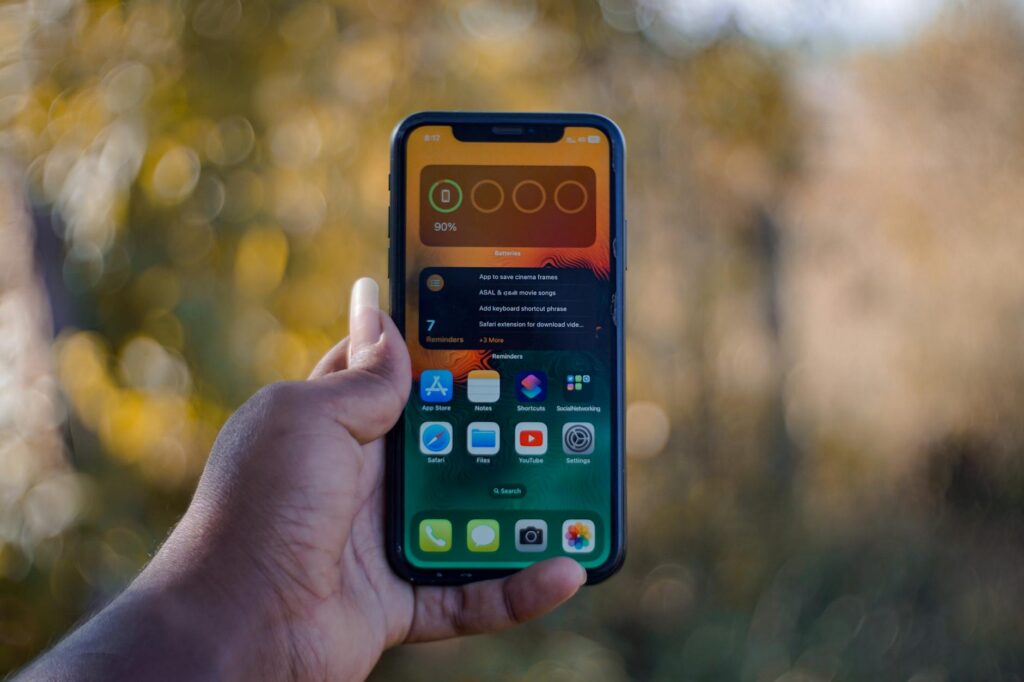
iPhone 18 Battery Life: Maximizing Power in 2026
This guide covers everything about Maximizing Battery Life on Your iPhone 18 in 2026. As of May 2026, keeping your iPhone 18 powered through the day is crucial. We rely on our phones for everything from communication and navigation to entertainment and work, making a dead battery a significant inconvenience. Fortunately, with a few smart adjustments, you can significantly extend the battery life of your iPhone 18.
Most readers searching this topic want to know how to get through a full day without reaching for a charger, especially with the advanced features of the new iPhone 18 models. This guide provides practical, actionable steps to ensure your device keeps up with your demands.
Key Takeaways
- Lowering screen brightness and using Auto-Brightness is the quickest way to save battery.
- Managing background app activity, especially location services and push notifications, drastically reduces drain.
- Keeping iOS updated and understanding battery health are key to long-term performance.
- Use Low Power Mode and other built-in battery-saving features strategically.
Understanding Your iPhone 18’s Power Consumption
Before we dive into optimization, it’s essential to understand where your iPhone 18 is using the most power. Apple’s built-in Battery settings provide a detailed breakdown. Navigate to Settings > Battery to see which apps and services are consuming the most energy over the last 24 hours or 10 days.
As of May 2026, the primary culprits for battery drain typically include the display, background app activity (like app refresh and location services), and cellular/Wi-Fi signal strength. Understanding these areas allows for targeted adjustments.
Taming the Display: Your Brightest Battery Saver
The screen is one of the biggest power consumers on any smartphone. The brighter your display, the more energy it uses. The simplest and most effective way to conserve battery is to reduce screen brightness.
Manually adjust the brightness by swiping down from the top-right corner (or up from the bottom on older models, but iPhone 18 will use the newer gesture) to access Control Center and dragging the brightness slider down. Even a moderate reduction can make a noticeable difference over a full day.
Auto-Brightness Setting: Ensure Auto-Brightness is enabled (Settings > Accessibility > Display & Text Size > Auto-Brightness). This feature uses the ambient light sensor to adjust screen brightness automatically, which is often more efficient than manual settings because it adapts to your environment, dimming when you don’t need maximum brightness.
Conquering Background App Refresh
Many apps are designed to refresh their content in the background, ensuring you have the latest information when you open them. While convenient, this constant activity drains your battery.
You can significantly conserve power by selectively disabling Background App Refresh for apps that don’t require real-time updates. Go to Settings > General > Background App Refresh. Here, you can turn it off entirely, set it to Wi-Fi only, or toggle it off for individual apps. For instance, a game like ‘Cosmic Raiders 3’ probably doesn’t need to refresh its content when you’re not playing it.
Location Services: Grant Access Wisely
Location Services are incredibly useful for navigation, mapping apps, and even tagging photos. However, apps constantly accessing your location can be a major battery drain. As of May 2026, many users are still granting ‘Always’ access to apps that only need it while in use.
Review your Location Services settings by going to Settings > Privacy & Security > Location Services. For each app, choose the most appropriate option: ‘Never’, ‘Ask Next Time’, ‘While Using the App’, or ‘Always’. Limit ‘Always’ to essential apps like Maps or Find My. For an app like ‘Bloxtra News Feed’, ‘While Using the App’ is usually sufficient.
Managing Push Notifications
Every time an app sends you a push notification, your iPhone wakes up, displays the alert, and potentially uses cellular data or Wi-Fi. While notifications are vital for staying connected, an excessive number can eat into your battery.
Go to Settings > Notifications and disable notifications for apps that aren’t essential. For apps where notifications are useful, consider changing the alert style from ‘Lock Screen’ and ‘Banners’ to just ‘Badges’ or disabling sounds. This reduces the phone’s activity each time an alert arrives.
Optimize Your Connectivity Settings
Cellular and Wi-Fi radios are power-hungry components. While you can’t turn them off entirely for long, optimizing their use can save battery.
Wi-Fi vs. Cellular: When a strong Wi-Fi signal is available, it’s generally more power-efficient than using cellular data. Ensure Wi-Fi is turned on and connected when possible. If you’re in an area with a very weak cellular signal, your iPhone will use more power searching for a connection. In such cases, enabling Airplane Mode (which disables all radios) can conserve significant battery until you’re in a better coverage area.
Bluetooth: While Bluetooth LE (Low Energy) is designed for minimal power consumption, leaving it on unnecessarily can still contribute to drain, especially if you have many Bluetooth devices nearby. Turn it off via Control Center if you’re not actively using it. Note that turning it off via Control Center only disables it temporarily; to keep it off, go to Settings > Bluetooth and toggle it off.
Software Updates and Battery Health
Apple frequently releases iOS updates that include not only new features but also crucial battery optimizations. Keeping your iPhone 18 updated is paramount for both performance and power efficiency.
Go to Settings > General > Software Update. It’s recommended to have automatic updates enabled, but always ensure you’re on the latest stable version of iOS. For example, iOS 27.1, released in April 2026, included specific power management enhancements for the iPhone 18 line.
Battery Health: Your iPhone 18’s battery health degrades over time. You can check this by going to Settings > Battery > Battery Health & Charging. While some degradation is normal, if ‘Maximum Capacity’ drops significantly below 80%, you might notice a substantial decrease in daily battery life. This is when considering a battery replacement becomes worthwhile.
using Low Power Mode and Other Features
Low Power Mode is a powerful tool designed to extend battery life when your iPhone is running low. It reduces screen brightness, limits background app refresh, disables mail fetch, and reduces motion effects.
You can enable it from Settings > Battery > Low Power Mode. It will also automatically prompt you to enable it when your battery reaches 20% and 10%. For users who often find themselves needing an extra few hours, manually enabling Low Power Mode earlier in the day can be a lifesaver. Consider setting up a Shortcut to toggle Low Power Mode based on battery percentage or time of day.
Common Mistakes That Drain Your iPhone 18 Battery
Many users unknowingly make small mistakes that add up to significant battery drain. Being aware of these pitfalls can help you avoid them.
Mistake 1: Neglecting Automatic Settings
Relying solely on manual adjustments means you might miss out on adaptive power savings. Forgetting to enable Auto-Brightness or not setting Location Services to ‘While Using’ for less critical apps means your iPhone is working harder than it needs to.
Solution: Regularly review your settings, especially after major software updates or installing new apps. Ensure Auto-Brightness is on and scrutinize Location Services permissions.
Mistake 2: Ignoring Background App Fetch for Email
Email apps that constantly fetch new messages in the background can be a hidden battery hog. While convenient for instant notifications, it’s often unnecessary for personal accounts.
Solution: Go to Settings > Mail > Accounts > Fetch New Data. For accounts where instant updates aren’t critical, change the fetch frequency to hourly or manually. For accounts that need immediate notification, you can enable ‘Push’ if available, but be mindful of how many accounts use it.
Mistake 3: Overlooking Display Settings Beyond Brightness
Beyond brightness, features like ‘Raise to Wake’ and ‘Auto-Lock’ duration impact battery life. ‘Raise to Wake’ can inadvertently turn on your screen when you pick up your phone, consuming power.
Solution: Disable ‘Raise to Wake’ in Settings > Display & Brightness if you find it unnecessary. Set ‘Auto-Lock’ to a shorter duration, such as 30 seconds or 1 minute, so your screen turns off faster when not in use.
Mistake 4: Excessive Use of Widgets on the Home Screen
While convenient, many widgets constantly refresh data in the background (weather, news, stocks). If you have many active widgets, they can contribute to significant battery drain.
Solution: Periodically review your Home Screen widgets. Remove any that you rarely use or that require frequent data updates. Opt for static widgets or those that only update when you actively open the app.
Mistake 5: Not Utilizing Optimized Battery Charging
While not directly extending daily usage, optimized battery charging (Settings > Battery > Battery Health & Charging > Optimized Battery Charging) helps preserve your battery’s long-term health by reducing the time it spends at 100% charge. This can lead to a healthier battery that lasts longer overall.
Solution: Ensure Optimized Battery Charging is enabled. This feature learns your charging routine and waits to finish charging past 80% until just before you typically need your phone.
Advanced Tips for Maximum Endurance
For power users who need their iPhone 18 to last as long as possible, consider these advanced strategies:
- Reduce Motion and Transparency: Go to Settings > Accessibility > Motion and toggle ‘Reduce Motion’ and ‘Reduce Transparency’. This can lessen the processing power needed for visual effects.
- Disable Automatic Downloads: In Settings > App Store, turn off ‘App Updates’ and ‘Automatic Downloads’ for Apps and Media. Update apps manually when connected to Wi-Fi.
- Manage Background App Activity for Specific Apps: For apps known to be battery-intensive (like social media or streaming apps), consider limiting their background access to Wi-Fi only or disabling it entirely if not critical.
- Use Dark Mode: For iPhones with OLED displays (which the iPhone 18 series is expected to continue with), Dark Mode can save battery life by turning off pixels that are displaying black. Enable it in Settings > Display & Brightness.
When to Consider a Battery Replacement
As mentioned, battery health is a finite resource. According to Apple’s support documentation, a normal battery is designed to retain up to 80% of its original capacity at 500 complete charge cycles when operated under normal conditions. As of May 2026, the iPhone 18’s battery technology is advanced, but the principle remains the same.
If your iPhone 18’s maximum battery capacity drops below 80%, or if you experience significant and unexplained battery drain even after implementing these tips, it might be time to consider a battery replacement. You can check your battery health at Settings > Battery > Battery Health & Charging.
Frequently Asked Questions
How can I quickly check what’s draining my iPhone 18 battery?
Go to Settings > Battery. This screen shows a list of apps and their battery usage percentage over the last 24 hours or 10 days, helping you identify the biggest power consumers.
Is it bad to use my iPhone 18 while it’s charging?
Using your iPhone 18 while charging is generally safe and won’t damage the battery long-term, especially with optimized charging features. However, it might generate more heat, which can impact battery health over extended periods if consistently done at high temperatures.
Should I always charge my iPhone 18 to 100%?
It’s not strictly necessary to charge your iPhone 18 to 100% every time. Lithium-ion batteries, like the one in your iPhone, can degrade faster when kept at very high charge levels for extended periods. Using Optimized Battery Charging helps manage this.
Does having many widgets on my iPhone 18’s home screen affect battery life?
Yes, widgets that frequently update their data (like weather, news, or fitness trackers) can consume significant battery in the background. Reducing the number or type of active widgets can help conserve power.
How does iOS 27 affect battery life on the iPhone 18?
As of May 2026, iOS 27 and its subsequent updates often include specific power management optimizations designed for the latest iPhone hardware. Keeping your device updated ensures you benefit from these improvements.
What is the difference between Low Power Mode and Optimized Battery Charging?
Low Power Mode temporarily reduces battery usage by limiting features when your battery is low, extending current usage. Optimized Battery Charging is a long-term health feature that reduces battery aging by managing charging cycles.
Conclusion: Power Through Your Day
Maximizing your iPhone 18’s battery life in 2026 is achievable with a combination of understanding your device’s power usage and implementing smart settings. By regularly reviewing your battery settings, managing background activity, and utilizing features like Low Power Mode, you can ensure your iPhone 18 stays powered for longer.
The single most impactful action you can take is to be mindful of your screen brightness and background app activity. Take a few minutes each week to review these settings, and you’ll notice a significant improvement in your iPhone 18’s daily endurance.
Last reviewed: May 2026. Information current as of publication; pricing and product details may change.
Editorial Note: This article was researched and written by the Bloxtra editorial team. We fact-check our content and update it regularly. For questions or corrections, contact us.