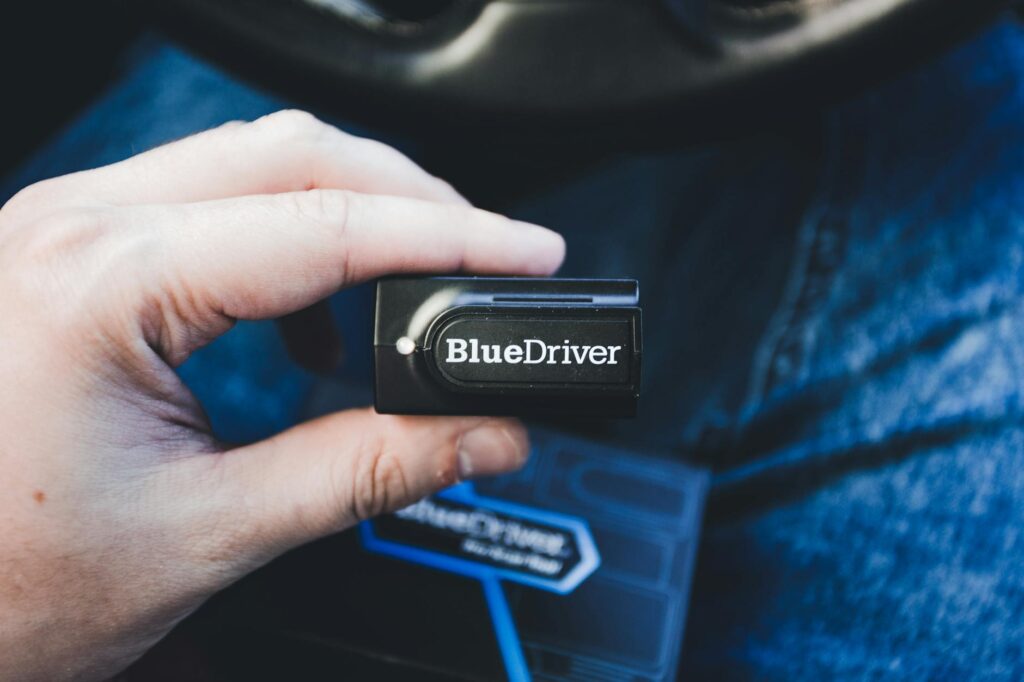
Bluetooth vs. GPS Trackers: Which is Right for Your Valuables?
Most people want to know the core difference between Bluetooth and GPS trackers because they’re faced with the same problem: losing something important. You’ve probably misplaced your keys, wallet, or even a backpack at some point. The immediate thought is, “I need a tracker!” But then you’re faced with two main options: Bluetooth or GPS. Understanding which technology is best suited for your needs is crucial, and as of May 2026, the world of personal tracking devices is more advanced than ever.
Last updated: May 6, 2026
Key Takeaways
- Bluetooth trackers excel at short-range, proximity-based finding, ideal for items you frequently misplace within your home or office.
- GPS trackers offer global, real-time location tracking, making them superior for valuable assets that could be stolen or lost far from home.
- Bluetooth trackers often rely on a network of other users’ devices to extend their range (Crowd GPS).
- GPS trackers typically require a cellular or satellite connection and often come with ongoing subscription fees.
- Battery life is a significant differentiator, with Bluetooth trackers generally lasting much longer on a single charge.
Understanding Bluetooth Trackers: The Proximity Detectors
Bluetooth trackers, often seen in popular devices like Apple’s AirTags or Tile trackers, use Bluetooth Low Energy (BLE) technology. Their primary function is to help you locate items within a relatively short range, typically up to 200 feet (around 60 meters) in open spaces. This makes them incredibly useful for finding things you’ve misplaced nearby.
When you’re within range, your smartphone or compatible device can connect directly to the tracker. You can then trigger an audible alert on the tracker, making it easy to pinpoint its exact location, perhaps under a couch cushion or inside a cluttered drawer. This is their core strength: immediate, close-quarters finding.
The ‘Crowd GPS’ Network: Extending the Reach
What happens if your item is lost further afield? This is where the concept of ‘Crowd GPS’ comes into play. When a Bluetooth tracker is out of your personal device’s range, it can anonymously and securely use the network of other users’ devices running the same app. If another user with the app comes within range of your lost tracker, their device will anonymously report the tracker’s last known location to you. This is a critical feature that significantly extends the practical range of Bluetooth trackers beyond their direct connectivity limits.
According to Apple, as of 2026, the Find My network comprises over a billion Apple devices, offering a vast potential network for locating lost items. This crowd-sourced approach is a major shift for finding items that have been left behind in public places.
The Strengths of Bluetooth Trackers
- Excellent for nearby items: Perfect for keys, wallets, bags, or remotes you tend to misplace around the house, car, or office.
- Longer battery life: BLE technology is very power-efficient, meaning many Bluetooth trackers can last for several months to over a year on a single, often replaceable, coin-cell battery.
- Affordability: Generally, Bluetooth trackers are more budget-friendly upfront than GPS trackers, with no mandatory ongoing subscription fees for basic functionality.
- Compact size: They are often small and lightweight, easily attaching to almost anything without adding significant bulk.
The Limitations of Bluetooth Trackers
- Limited direct range: Without the crowd network, their tracking range is restricted to your device’s Bluetooth signal strength.
- Dependence on network: The effectiveness of Crowd GPS relies on other users being nearby your lost item. If it’s lost in a remote area with few other users, the network might not help.
- Not real-time for distant items: Location updates via the crowd network are not instantaneous; they occur only when another user’s device ‘sees’ your tracker.
- Privacy concerns: While anonymized, some users may still have concerns about the vast network of devices reporting location data.
Exploring GPS Trackers: The Global Positional System
GPS trackers, on the other hand, use the Global Positioning System (GPS) satellite network to determine their location. Unlike Bluetooth trackers, GPS trackers can pinpoint their location anywhere on Earth where they have a clear view of the sky, typically with remarkable accuracy. This makes them the go-to solution for tracking assets that are valuable or mobile over long distances.
These devices communicate their location information via cellular or satellite networks, meaning they don’t rely on proximity to your phone or other users’ devices for their primary function. Bluetooth vs. GPS Trackers: Which is Right for Your Valuables? allows for true real-time tracking, crucial for monitoring vehicles, pets, or high-value cargo.
How GPS Trackers Work: Satellites and Cellular Data
A GPS tracker contains a GPS receiver that picks up signals from multiple GPS satellites. By calculating the time it takes for signals to arrive from at least four satellites, the receiver can triangulate its precise position. This coordinate data is then transmitted wirelessly, usually over a cellular (GSM) or sometimes satellite connection, to a server or directly to your smartphone app. Many GPS trackers also incorporate features like geo-fencing, allowing you to set virtual boundaries and receive alerts if the tracker enters or leaves a designated area.
For instance, a real estate developer might use a GPS tracker on a piece of heavy machinery on a large construction site to monitor its movement and ensure it stays within the project’s perimeter. According to industry reports as of 2026, the demand for strong asset tracking solutions in construction and logistics continues to grow, driven by theft prevention and operational efficiency.
The Strengths of GPS Trackers
- Global real-time tracking: They provide location data anywhere with a GPS signal and cellular/satellite coverage, updating in real-time.
- High accuracy: GPS is generally more accurate than Bluetooth for determining precise outdoor locations, often within a few meters.
- Ideal for mobile assets: Excellent for tracking vehicles, boats, motorcycles, bicycles, pets, or high-value equipment that might travel long distances.
- Geo-fencing capabilities: Allows for setting up virtual perimeters and receiving immediate alerts if an asset moves outside a defined zone.
The Limitations of GPS Trackers
- Higher upfront cost: GPS trackers are typically more expensive than Bluetooth trackers.
- Ongoing subscription fees: Most GPS trackers require a monthly or annual subscription to cover cellular or satellite data transmission costs. Prices can range from $10 to $30 per month or more, depending on features and data usage.
- Shorter battery life: Constantly communicating with satellites and cellular networks drains batteries much faster. Many GPS trackers need charging every few days or weeks, though some advanced models offer longer battery life with solar charging or power-saving modes.
- Signal dependency: GPS signals can be blocked or weakened indoors, in dense urban canyons, or underground. Cellular/satellite signal is also necessary for transmitting location data.
Bluetooth vs. GPS Trackers: A Side-by-Side Comparison
| Feature | Bluetooth Tracker | GPS Tracker |
|---|---|---|
| Tracking Technology | Bluetooth Low Energy (BLE) | GPS satellites, Cellular/Satellite network |
| Typical Range | Short-range (up to 200ft direct); Extended via Crowd GPS | Global (anywhere with satellite/cellular signal) |
| Location Updates | When another device detects it (Crowd GPS); Instant when nearby | Real-time (e.g., every few seconds to minutes) |
| Battery Life | Months to over a year (often replaceable coin cell) | Days to weeks (requires frequent charging) |
| Cost | Lower upfront cost, no mandatory fees | Higher upfront cost, usually requires subscription fees ($10-$30+/month) |
| Ideal Use Cases | Keys, wallets, bags, remotes, frequently misplaced items | Vehicles, pets, bikes, luggage, valuable assets, remote monitoring |
| Indoor/Outdoor Performance | Excellent indoors; Crowd GPS useful outdoors | Excellent outdoors; performance can degrade indoors or in signal-dead zones |
When to Choose Which Tracker Type
The decision between a Bluetooth and a GPS tracker hinges entirely on what you’re trying to protect and how you anticipate losing it. Consider these scenarios:
For Everyday Misplacements: Go Bluetooth
If your primary concern is misplacing your keys as you rush out the door, or your wallet when it slips between sofa cushions, a Bluetooth tracker is your best bet. Devices like Apple AirTags (for Apple users) or Tile trackers offer smooth integration with your smartphone and are designed for those “where did I put that?” moments. The long battery life and low cost make them practical for everyday use on items you’re likely to have nearby.
For High-Value Assets and Theft Prevention: Opt for GPS
If you’re tracking a vehicle, a valuable piece of equipment, or a pet that might wander far from home, a GPS tracker is essential. The ability to see the exact location in real-time, anywhere on the globe, is invaluable for recovery in cases of theft or escape. For example, a business owner concerned about their delivery van fleet might use GPS trackers to monitor routes, prevent unauthorized use, and aid in recovery if a vehicle is stolen. According to the GPS Industry Analysis Report 2026, vehicle tracking systems significantly reduce recovery times and costs associated with fleet theft.
For Luggage and Travel: It’s a Hybrid Approach
When it comes to luggage, the choice can be more nuanced. A Bluetooth tracker like an AirTag can help you locate your bag within the airport terminals or your hotel room. However, if your luggage is lost by the airline and ends up far away, the Crowd GPS network is your best hope. Some dedicated travel trackers also incorporate both Bluetooth and cellular capabilities, offering a more complete tracking solution, though these often come with higher costs and subscription fees.
Common Mistakes to Avoid
When choosing and using trackers, people often make a few common errors:
- Expecting too much from Bluetooth outdoors: Relying solely on a Bluetooth tracker for an item you think might be stolen and moved far away is a mistake. Its effectiveness diminishes rapidly outside of its direct or crowd-sourced range.
- Underestimating subscription costs for GPS: The upfront price of a GPS tracker is only part of the equation. Forgetting to factor in the recurring monthly or annual fees can lead to unexpected expenses.
- Ignoring battery maintenance: Both types of trackers require attention to their power source. A dead battery means a useless tracker, whether it’s a coin cell for a Bluetooth device or a rechargeable unit for a GPS tracker. Regularly check battery levels.
- Confusing accuracy with precision: While GPS is accurate outdoors, its precision can be affected by signal obstruction. Conversely, Bluetooth is precise for proximity but lacks directional information when you’re far away.
Tips for Maximizing Your Tracker’s Effectiveness
To get the most out of your chosen tracking device, follow these tips:
- Match the tech to the item: For keys and wallets, Bluetooth is usually sufficient. For cars, bikes, or pets, invest in GPS.
- Understand the app: Familiarize yourself with the companion app for your tracker. Learn how to enable notifications, check location history, and use advanced features like geo-fencing or the crowd network.
- Test its range: Before you rely on it, test the tracker’s range in typical environments where you might lose the item. See how reliable the Bluetooth connection is in your home or office.
- Secure the attachment: Ensure the tracker is firmly attached to the item. A loose attachment can lead to the tracker falling off and becoming lost itself!
- Consider privacy settings: Be aware of the privacy policies of the tracker’s manufacturer and ensure you’re comfortable with how your location data is handled.
Frequently Asked Questions
What is the main difference between Bluetooth and GPS trackers?
Bluetooth trackers use short-range radio waves to connect to your phone, ideal for finding nearby items. GPS trackers use satellite signals for global, real-time location tracking, suitable for valuable assets over long distances.
Can a Bluetooth tracker find my lost item if it’s far away?
Yes, through a network of other users’ devices (Crowd GPS). If another user comes near your lost item, their device can anonymously update its location for you.
Do GPS trackers require a subscription?
Most GPS trackers do require a subscription fee to cover the costs of cellular or satellite data transmission, typically ranging from $10 to $30 per month.
Which type of tracker has better battery life?
Bluetooth trackers generally offer significantly longer battery life, often lasting months or even over a year on a single replaceable battery, due to their low power consumption.
Can I use a tracker to track a person?
While technically possible, using trackers to monitor individuals without their knowledge or consent can raise significant privacy and legal concerns. Always ensure you have explicit permission or a legitimate reason for tracking a person.
Are Bluetooth trackers accurate enough for finding keys?
Yes, Bluetooth trackers are highly accurate for finding items within close proximity, such as keys lost in your home or office. They offer precise location finding when you’re within range.
When is a GPS tracker better than Bluetooth?
A GPS tracker is superior when you need real-time, global tracking for items that could be stolen or lost far from your immediate vicinity, such as vehicles, valuable equipment, or pets.
Last reviewed: May 2026. Information current as of publication; pricing and product details may change.
Editorial Note: This article was researched and written by the Bloxtra editorial team. We fact-check our content and update it regularly. For questions or corrections, contact us.