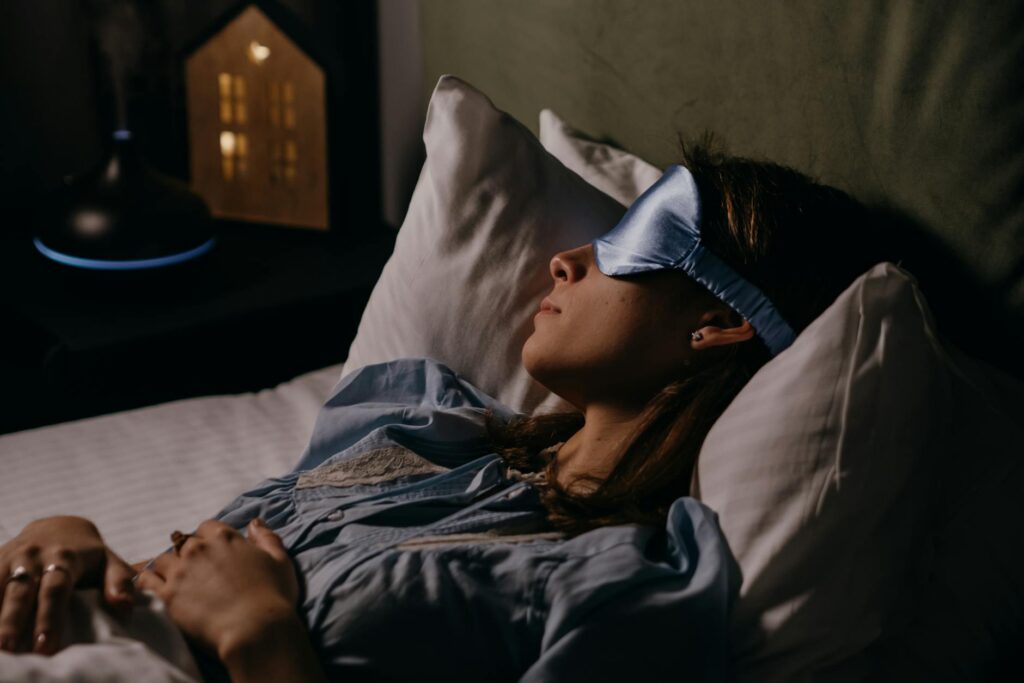
Understanding the Blue Light Problem
This guide covers everything about How Blue Light Affects Sleep and What You Can Do About It. Most readers searching this topic want to know how artificial light, especially from our ubiquitous screens, messes with our ability to get a good night’s sleep. As of May 2026, the science is clearer than ever: the blue light emitted by our phones, tablets, computers,, and even LED lighting is a major culprit behind sleep difficulties for many.
Last updated: May 6, 2026
Key Takeaways
- Blue light suppresses melatonin, a hormone essential for sleep.
- It disrupts the body’s natural 24-hour clock (circadian rhythm).
- Reducing evening blue light exposure is crucial for better sleep hygiene.
- Simple tech settings and lifestyle changes can significantly help.
But what exactly is blue light, and how does it trick our brains into staying awake? Let’s break it down.
What is Blue Light and Why Does It Matter for Sleep?
Blue light is a high-energy, short-wavelength part of the visible light spectrum. Think of it as the colour we see in daylight, which helps us feel alert and awake. During the day, this is great – it boosts our mood, improves our reaction times, and helps regulate our internal body clock.
The problem arises when we’re exposed to significant amounts of blue light in the evening, particularly from the artificial sources that have become commonplace. Our eyes have specialised cells that are particularly sensitive to blue wavelengths. When these cells detect blue light, they send signals to the brain’s internal clock, signaling that it’s daytime and time to be awake.
The key player here is melatonin, often called the ‘sleep hormone’. According to the National Institutes of Health (NIH) (2024), melatonin production naturally increases as darkness falls, preparing our bodies for sleep. Exposure to blue light in the hours before bed can significantly suppress this vital melatonin release.
This suppression means your brain doesn’t get the memo that it’s time to wind down. The result? You might feel less sleepy, have trouble falling asleep, and experience disrupted sleep patterns throughout the night. This is a core aspect of how blue light affects sleep.
The Science Behind Blue Light’s Sleep Disruption
Your body operates on an internal 24-hour cycle known as the circadian rhythm. This rhythm influences nearly every physiological process, including sleep-wake cycles, hormone release, and body temperature. Light, particularly blue light, is a primary cue that synchronizes this internal clock with the external environment.
When you’re exposed to blue light in the evening, your brain interprets it as daylight. This tricks your circadian rhythm into thinking it’s still morning, delaying the natural onset of sleepiness. It’s like telling your body to stay alert when it should be preparing for rest.
A study published in Chronobiology International (2023) found that even moderate evening exposure to light from electronic devices could delay sleep onset and reduce sleep quality. The intensity and duration of exposure play a significant role. The longer and brighter your exposure, the greater the impact on your melatonin levels and circadian timing.
This disruption isn’t just about feeling groggy. Chronic disruption of the circadian rhythm has been linked to various health issues, including metabolic disorders, mood disturbances, and an increased risk of certain chronic diseases, according to research from Harvard Medical School (2022). Protecting your sleep is therefore a crucial aspect of overall health.
Common Sources of Evening Blue Light
We’re surrounded by blue light, but certain sources are more impactful in the evening:
- Smartphones and Tablets: These devices are often held close to the face, making their blue light output particularly potent.
- Computer and Laptop Screens: Prolonged use for work or entertainment exposes you to significant blue light.
- LED Lighting: Many modern home and office lights use LEDs, which can emit a considerable amount of blue light.
- Smart TVs: Large screens, especially when viewed in a darkened room, can be a significant source of blue light exposure.
Even ambient light from streetlights or illuminated signs outside can contribute, especially if you live in an urban environment and your bedroom isn’t completely dark.
Practical Strategies to Minimise Blue Light Exposure
The good news is that you don’t have to abandon your digital devices entirely. By implementing a few smart strategies, you can significantly reduce the negative impact of blue light on your sleep. This is where understanding ‘what you can do about it’ becomes key.
Adjust Your Device Settings
Most modern smartphones and computers have built-in features designed to reduce blue light. These are often called ‘Night Shift’, ‘Night Light’, or ‘Eye Comfort Shield’. Enabling these functions typically shifts the screen’s colour temperature towards warmer, redder tones, which contain less blue light.
On an iPhone, you can schedule Night Shift to turn on automatically from sunset to sunrise. On Android devices, the ‘Night Light’ feature can be scheduled similarly. For Windows PCs, look for ‘Night light’ in display settings. These settings are free and can make a noticeable difference, though they don’t block blue light entirely.
Use Blue Light Filtering Apps and Glasses
If your device doesn’t have a built-in mode or if you need more strong filtering, consider third-party apps. Many are available for smartphones and computers that offer customizable blue light filtering. Some apps even allow you to set a schedule or manually adjust the intensity.
For those who spend significant time in front of screens or are particularly sensitive, blue light blocking glasses are an option. These glasses have special lenses designed to filter out a higher percentage of blue light. While their effectiveness can vary, many users report improved sleep quality when wearing them in the hours before bed. A pair of quality blue light blocking glasses might cost between $20 and $60, depending on the brand and style, making them a relatively affordable intervention.
Create a Blue Light-Free Zone
Designating certain hours or areas of your home as blue light-free can be highly effective. Aim to put away devices that emit significant blue light at least 1–2 hours before your intended bedtime. How Blue Light Affects Sleep and What You Can Do About It allows your body’s natural melatonin production to kick in without interference.
Modify Your Home Lighting
The blue light problem isn’t confined to screens. Many LED bulbs, especially cooler white ones, emit a significant amount of blue light. As of 2026, warmer, amber-toned bulbs are widely available and are a much better choice for evening lighting.
Consider switching out overhead lights in your bedroom and living areas with warmer bulbs. You can also use dimmer switches to lower the overall light intensity in the evening, which further signals to your brain that it’s time to wind down.
Reclaiming Your Sleep: Beyond Blue Light
While managing blue light is critical, it’s just one piece of the sleep puzzle. Good sleep hygiene involves a complete approach. Consistent sleep schedules, a relaxing bedtime routine, a comfortable sleep environment, and regular physical activity all contribute to better rest.
Establish a Consistent Sleep Schedule
Going to bed and waking up around the same time every day, even on weekends, helps regulate your body’s internal clock. This consistency reinforces your natural circadian rhythm, making it easier to fall asleep and wake up naturally.
Develop a Relaxing Bedtime Routine
About an hour before bed, start winding down. This could include a warm bath, gentle stretching, reading a physical book, or listening to calming music. The goal is to signal to your body and mind that it’s time to transition from the day’s activities to rest.
Optimise Your Sleep Environment
Ensure your bedroom is dark, quiet, and cool. Blackout curtains can help block out external light, and earplugs can minimise noise disturbances. A cool room temperature is generally more conducive to sleep.
Common Mistakes People Make with Blue Light and Sleep
Many people understand that screens are bad for sleep but make common mistakes:
- Relying solely on ‘Night Mode’: While helpful, these settings often don’t block enough blue light, especially at higher brightness levels. They are a good start but not a complete solution.
- Ignoring other light sources: Forgetting about bright overhead LED lights or smart home devices that emit blue light in the evening.
- Using screens right up until bedtime: Waiting until the last minute to stop screen use means your brain has had maximal exposure to blue light just when it needs to calm down.
- Not adjusting settings for different devices: Assuming all devices filter blue light equally or that the default settings are sufficient.
Expert Tips for Better Sleep in the Digital Age
As technology continues to evolve, so do our strategies for managing its impact. Here are a few expert-backed tips:
- Dim your screens well before bed: Even with blue light filters, bright screens can be overstimulating. Lowering the brightness further signals a reduction in activity.
- Avoid emotionally charged content in the evening: Stress and anxiety from news or social media can keep your mind racing, compounding the effects of blue light.
- Consider a ‘digital sunset’ an hour or two before bed: This means completely disconnecting from screens and engaging in relaxing, non-digital activities.
- If you must use screens late, angle them away from your face: While not a perfect solution, this can slightly reduce direct exposure.
- Wake up with natural light: In the morning, expose yourself to bright, natural light as soon as possible. This helps reset your circadian rhythm and signals the start of your day.
According to sleep experts, consistency is key. Making these adjustments a regular part of your evening routine will yield the best long-term results for improving sleep quality and overall well-being.
Frequently Asked Questions
Can blue light from my TV really affect my sleep?
Yes, the blue light emitted from TV screens, especially larger LED ones, can interfere with melatonin production and disrupt your sleep cycle if viewed too close to bedtime.
How soon before bed should I stop using my phone?
Most sleep experts recommend stopping screen use, particularly phones and tablets, at least 1 to 2 hours before your intended bedtime to allow melatonin levels to rise naturally.
Are blue light blocking glasses worth the investment?
For many people who experience sleep difficulties related to screen time, blue light blocking glasses can be a worthwhile investment, often costing between $20-$60, by helping to filter out disruptive light wavelengths.
What’s the difference between ‘Night Mode’ and true blue light blocking?
‘Night Mode’ typically shifts screen colours to warmer tones but doesn’t block all blue light. True blue light blocking glasses or specialised filters are designed to filter out a higher percentage of blue wavelengths.
Can I use my e-reader at night without affecting sleep?
E-readers with e-ink displays (like the Amazon Kindle Paper white) are generally much better for nighttime reading as they don’t emit light directly into your eyes and have minimal blue light. Backlit LCD or LED screens, even with filters, can still have an impact.
How does artificial light affect my circadian rhythm?
Artificial light, especially blue light, can trick your brain into thinking it’s daytime, disrupting the natural rise and fall of your circadian rhythm and making it harder to fall asleep at night.
Is it okay to have blue light exposure if I’m not trying to sleep?
During the daytime, blue light exposure is beneficial as it helps regulate your circadian rhythm, improves alertness, and boosts mood. The concern is primarily with evening and nighttime exposure.
Last reviewed: May 2026. Information current as of publication; pricing and product details may change.
Editorial Note: This article was researched and written by the Bloxtra editorial team. We fact-check our content and update it regularly. For questions or corrections, contact us.