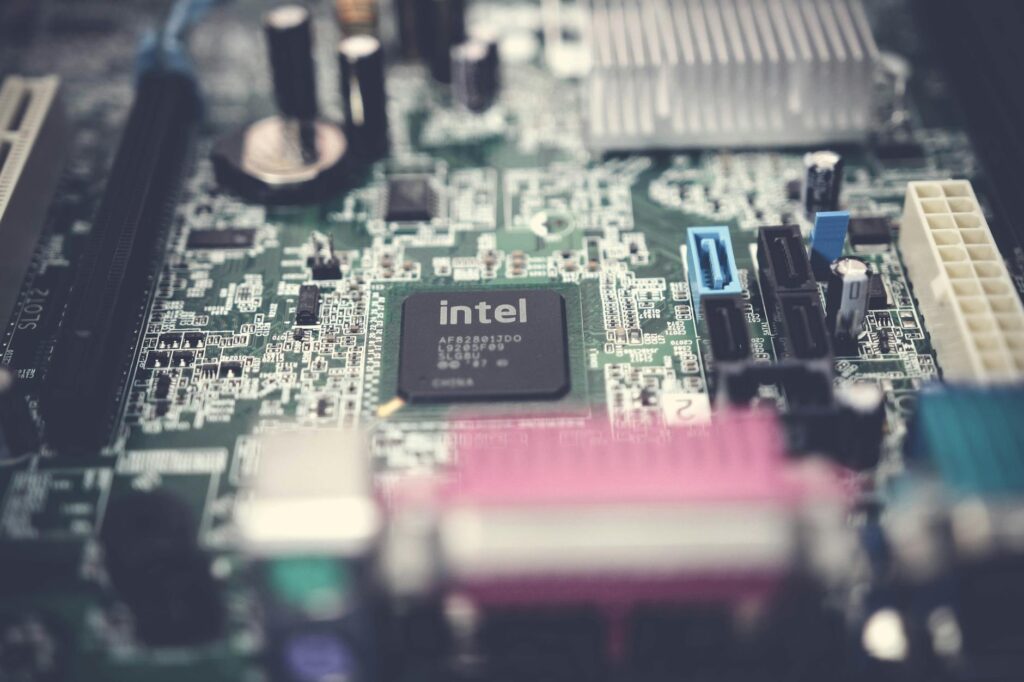
Intel Atom vs. ARM for Android Devices: A 2026 Chipset Showdown
This guide covers everything about Intel Atom vs. ARM for Android: Chipset Guides 2026. When you’re eyeing a new Android device in 2026, the processor might not be the first thing that grabs your attention. Yet, the chipset lurking inside is the engine driving everything from app performance to battery life. For years, the mobile world has largely been dominated by ARM-based processors, but Intel’s Atom line has also had its moments. So, what’s the real difference between Intel Atom and ARM for Android, and which one should you be looking for?
Last updated: May 6, 2026
Key Takeaways
- ARM processors dominate the Android market due to their power efficiency and scalability.
- Intel Atom chips aimed for performance but often struggled with power consumption in mobile devices.
- As of 2026, ARM’s architecture is the de facto standard for most smartphones and tablets.
- When comparing chipsets, consider performance, power efficiency, and specific device needs.
- Future Android devices will likely continue to use ARM’s advanced, energy-saving designs.
The Architecture Divide: How They Differ Fundamentally
At its core, the battle between Intel Atom and ARM processors for Android devices boils down to their fundamental design philosophies. ARM processors, developed by ARM Holdings (now owned by SoftBank), use a Reduced Instruction Set Computing (RISC) architecture. This means they use a smaller, simpler set of instructions that are executed very quickly. This approach is inherently more power-efficient.
Intel Atom, on the other hand, is based on Intel’s x86 architecture, traditionally found in desktop and laptop computers. This is a Complex Instruction Set Computing (CISC) architecture, meaning it uses a larger, more complex set of instructions. While this can offer raw processing power, it historically came with a significant power draw, a major drawback for battery-dependent mobile devices.
[IMAGE alt=”Diagram showing simplified RISC vs CISC instruction sets” caption=”RISC (ARM) uses simpler instructions, CISC (Intel Atom) uses more complex ones.”]
Performance Wars: Who Comes Out on Top?
Historically, Intel Atom chips were designed to compete with ARM’s high-end offerings, aiming to deliver desktop-like performance to tablets and some smartphones. In certain benchmarks, particularly those focused on single-core performance or tasks involving heavy computation, Atom chips could sometimes hold their own or even surpass contemporary ARM designs. For instance, some Intel Atom-powered Android tablets in the mid-2010s offered a snappy experience for productivity apps.
However, this performance often came at a cost. The CISC architecture of Atom processors tended to consume more power. This meant that while an Intel Atom device might feel fast for a short burst, its battery would drain quicker compared to a similarly performing ARM chip. ARM’s Cortex series (like Cortex-A78 or Cortex-X2) have continuously evolved, focusing on a balance of high performance and excellent power efficiency, often utilizing heterogeneous computing with high-performance cores and efficient cores working together. As of May 2026, the leading ARM SoCs from Qualcomm (Snapdragon), MediaTek (Dimensity), and Google (Tensor) consistently offer superior real-world performance per watt.
Power Efficiency: The Mobile Device’s Best Friend
For any portable device, especially smartphones and tablets that are used on the go, power efficiency is paramount. This is where ARM has historically held a significant advantage. The RISC architecture of ARM processors allows them to perform tasks using fewer transistors and less energy. This translates directly into longer battery life, a crucial selling point for consumers.
Intel Atom chips, due to their x86 heritage, struggled to match ARM’s efficiency in the mobile space. While Intel made strides in reducing power consumption with its Atom lines, they often remained more power-hungry than their ARM counterparts. This led to shorter battery life or the need for larger batteries, adding bulk and weight to devices. This fundamental difference is a major reason why ARM has become the dominant force in the smartphone and tablet market. According to industry analyses, ARM-based System on a Chip (SoC) designs consistently lead in battery longevity for comparable performance tiers.
The Android Ecosystem: ARM’s Dominance
The Android operating system itself is heavily optimized for ARM processors. Google develops Android with ARM’s architecture in mind, and most app developers create their applications targeting ARM first. This deep integration means that ARM-based devices generally offer a smoother, more reliable software experience out of the box.
Intel’s foray into the Android market with Atom processors was an attempt to diversify. While some manufacturers, like ASUS and Samsung, did release Android devices with Atom chips, they were niche products. Compatibility issues, though less common now than in the early days, could sometimes arise with apps not perfectly optimized for the x86 architecture. The overwhelming majority of Android phones and tablets sold globally in 2026 run on ARM-based chipsets, ensuring broad software support and a consistent user experience.
Real-World Use Cases: Where Do They Shine?
Intel Atom: While Intel Atom chips largely faded from mainstream smartphones and tablets, they found a niche in some entry-level Windows laptops and Chromebooks where their x86 compatibility was an advantage. For Android devices, their brief period of relevance was mostly in tablets that aimed to bridge the gap between mobile and desktop computing. For example, some ASUS Zen Pad models offered a decent experience for casual browsing and media consumption. However, they rarely excelled in graphically intensive gaming or demanding multitasking scenarios on Android.
ARM: ARM processors are the undisputed champions of the mobile world. You’ll find them in virtually every Android smartphone and tablet, from budget-friendly models to flagship devices. Think of the Samsung Galaxy series, Google Pixel phones, and OnePlus devices – all powered by sophisticated ARM-based Qualcomm Snapdragon or MediaTek Dimensity chipsets. These SoCs are designed for everything: smooth app performance, advanced camera capabilities, efficient 5G connectivity, and impressive battery life. Even Windows PCs are increasingly adopting ARM for their own laptops, seeking the same power efficiency benefits.
Intel Atom vs. ARM: A Comparative Snapshot
| Feature | Intel Atom (Typical Mobile Variants) | ARM (Typical Mobile Variants) |
|---|---|---|
| Architecture | CISC (x86) | RISC (ARM) |
| Power Efficiency | Generally Lower | Generally Higher |
| Performance | Can be high, but often at power cost | Balanced high performance and efficiency |
| Android Optimization | Less optimized, niche compatibility | Highly optimized, de facto standard |
| Typical Device Use | Entry-level laptops, some older tablets | Smartphones, tablets, wearables, laptops |
| 2026 Market Share (Android) | Negligible | Overwhelmingly Dominant |
Pros and Cons: What to Watch For
Pros of Intel Atom (for Mobile Context)
- Potential for strong single-core performance in specific benchmarks.
- Wider compatibility with legacy x86 software if running specific custom ROMs or niche Android builds.
Cons of Intel Atom (for Mobile Context)
- Higher power consumption leading to shorter battery life.
- Less optimized for Android OS and app ecosystem.
- Limited availability in current Android devices.
- Can generate more heat under load.
Pros of ARM (for Mobile Context)
- Excellent power efficiency, leading to longer battery life.
- Highly optimized for Android OS and vast app ecosystem.
- Wide range of performance options, from budget to flagship.
- Generally runs cooler.
Cons of ARM (for Mobile Context)
- Performance ceiling can vary greatly between different core designs and clock speeds.
- Some highly specialized or older desktop applications might not be natively compatible (less relevant for typical Android use).
Common Pitfalls When Choosing a Chipset
One common mistake is focusing solely on clock speed or core count without considering the architecture. A higher clock speed on an inefficient chip can be less beneficial than a slightly slower, but much more power-efficient chip. For example, a device with a powerful Intel Atom clocked at 2.4GHz might drain its battery in half the time compared to an ARM chip running at 2.0GHz but offering superior performance per watt.
Another pitfall is overlooking the specific SoC (System on a Chip) rather than just the brand name. For instance, not all ARM processors are equal. A high-end Qualcomm Snapdragon or MediaTek Dimensity chip found in a flagship phone will offer a vastly different experience than a lower-tier MediaTek Helio chip in an entry-level device. Always look at the specific model number and research its capabilities and benchmarks for the type of use you intend. As of 2026, understanding SoC specifics is key to making an informed Android purchase.
Expert Tips for Navigating Chipset Choices
As of May 2026, if you’re buying an Android smartphone or tablet, your choice will almost certainly be ARM-based. The question isn’t Intel Atom vs. ARM anymore for these devices, but rather which ARM-based SoC is best for your needs. Look for chipsets from Qualcomm’s Snapdragon 8 Gen series for premium performance, MediaTek’s Dimensity series for a strong balance of power and efficiency, or Google’s Tensor for AI-focused features in Pixel devices.
When comparing devices, check reviews that focus on real-world battery life and performance benchmarks relevant to your usage. For example, if you’re a mobile gamer, prioritize chips known for sustained high performance and good thermal management, like the latest Snapdragon Elite Gaming chipsets. If you’re a heavy user who needs all-day power, look for chips with efficient core clusters and advanced power-saving features, often found in the mid-range Dimensity or lower-tier Snapdragon lines.
Frequently Asked Questions
Are Intel Atom processors still used in Android devices?
As of 2026, Intel Atom processors are rarely found in mainstream Android smartphones and tablets. The market has overwhelmingly shifted to ARM-based chipsets due to their superior power efficiency and optimization for the Android ecosystem.
What is the main advantage of ARM processors for Android?
The primary advantage of ARM processors is their exceptional power efficiency, which leads to longer battery life. They are also highly optimized for the Android operating system and app development, ensuring smooth performance.
Can Intel Atom processors run Android apps?
Yes, in theory, Intel Atom (x86) processors can run Android apps, as Android has some x86 support. However, optimization is not as good as on ARM, and some apps might experience performance issues or compatibility problems.
Which chipset offers better performance for gaming on Android?
For high-end Android gaming in 2026, top-tier ARM-based chipsets like the latest Qualcomm Snapdragon 8 Gen series or MediaTek Dimensity 9000 series generally offer the best sustained performance and graphics capabilities.
Should I worry about chipset architecture when buying an Android phone in 2026?
While understanding architecture is useful, for most consumers buying an Android phone in 2026, the focus should be on the specific System on a Chip (SoC) model and its reputation for performance and battery life, as nearly all will be ARM-based.
What does ‘SoC’ mean in relation to chipsets?
SoC stands for System on a Chip. It’s a single-integrated circuit that combines multiple components, including the CPU (processor), GPU (graphics), RAM, and often modem and other controllers, into one package. Both Intel Atom and ARM processors are typically part of a larger SoC.
The Future of Android Chipsets
Looking ahead, the landscape for Android device chipsets is firmly rooted in ARM’s dominance. Innovations in RISC architecture, custom core designs, and integrated AI processing units continue to push the boundaries of what’s possible in mobile computing. We’re seeing increased integration of specialized AI accelerators, improved power management techniques, and advancements in manufacturing processes that will lead to even more powerful and efficient devices. While Intel remains a titan in PC processors, ARM’s grip on the mobile and tablet market, including Android devices, is unlikely to loosen anytime soon.
Last reviewed: May 2026. Information current as of publication; pricing and product details may change.
Source: Wired
Related Articles
- Your Rental Search: How to Choose the Best Mietmakler in Your City
- How GlobeInsightBlog is Shaping Conversations on Global Issues
- Why Cadibara Make the Perfect Pets for Animal Lovers
Editorial Note: This article was researched and written by the Bloxtra editorial team. We fact-check our content and update it regularly. For questions or corrections, contact us.