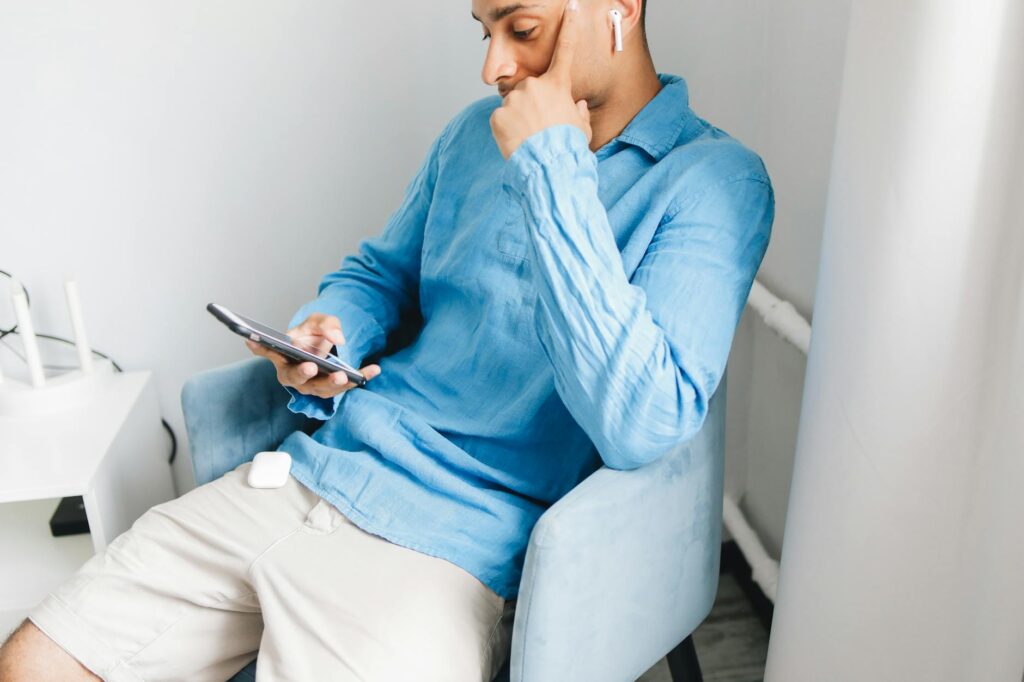
Most readers searching for this topic want to quickly understand if these gadgets actually work and how to get them set up without a hassle. The good news is that for many common scenarios, Bluetooth finders are incredibly effective. They ve become indispensable tools for anyone prone to misplacing their essentials.
What Are Bluetooth Finders and How Do They Work?
At their core, Bluetooth finders are small, battery-powered devices that emit a Bluetooth Low Energy (BLE) signal. This signal is picked up by your smartphone when it s within range, and vice versa; the companion app on your phone then keeps track of this connection, logging the last known location where your phone and the finder were together.
When you realize an item is missing, you simply open the app. It’ll show you the last place your phone saw the finder. If you re still within range, you can often make the finder emit a loud beep, helping you locate it even if it s buried under sofa cushions or hidden in a cluttered drawer. This proximity-based tracking is the primary function of most Bluetooth finders.
Setting Up Your Bluetooth Finder: A Step-by-Step Guide
Getting a Bluetooth finder up and running is generally straightforward, designed for users who aren’t necessarily tech wizards. The process usually involves a few key steps:
- Download the App: First, you’ll need to download the manufacturer’s dedicated app from your smartphone’s app store (iOS App Store or Google Play Store). Brands like Tile, Apple (AirTag), and Samsung (Smart Tag) have their own specific applications.
- Power On and Pair: Most finders require you to pull a small plastic tab to activate the battery. Then, you’ll typically press a button on the finder itself while the app is open. The app will scan for nearby devices, and you’ll select your finder to pair it.
- Name Your Tracker: Once paired, you ll be prompted to name your finder. This is crucial for organization, especially if you have multiple trackers. You might name one Keys, another Wallet, and a third Backpack.
- Attach to Your Item: Securely attach the finder to the item you want to track. Many come with keyrings, adhesive backs, or card-like designs to fit various objects.
- Configure Settings: Explore the app s settings. You can often adjust the beep volume, set up notifications for leaving items behind (proximity alerts), and manage your account.
For example, setting up a Tile Mate is as simple as downloading the Tile app, tapping ‘Add Item’ in the app, and following the on-screen prompts to press the Tile’s button. The app then guides you through naming it and attaching it to your keychain.
Understanding Bluetooth Range Limitations and Features
The effectiveness of a Bluetooth finder hinges on understanding its limitations, primarily its range. Standard Bluetooth technology has a limited range, typically up to 30–50 feet (9–15 meters) indoors, and potentially more in open, unobstructed outdoor spaces. This means if you’ve left your keys at a café, the app will only show you their last known location when they were within that range of your phone.
However, many modern Bluetooth finders go beyond simple proximity tracking by utilizing larger networks:
- Proximity Alerts: These notifications alert you if you walk away from your tagged item. For instance, if you leave your wallet at home, your phone might buzz as you drive away, reminding you to grab it.
- Crowd GPS Networks: This is where the real magic happens for items lost further afield. If your item is out of your phone’s direct Bluetooth range, it can be anonymously detected by other users smartphones running the same app. The network then updates the item’s location on your app. Apple’s Find My network and Tile’s network are prime examples of this technology.
- Audible Alerts: Most finders can be triggered to make a loud sound from the app, helping you find items that are nearby but out of sight. Some models also allow you to press the finder itself to make your phone ring, even if it’s on silent mode.
According to recent user feedback and product reviews as of May 2026, the crowd GPS networks are a significant differentiator. While direct Bluetooth range is limited, the effectiveness of finding an item miles away depends heavily on the density of users within that specific network in your area.
Real-World Use Cases: Finding More Than Just Keys
Bluetooth finders are versatile tools that extend far beyond keyrings. Consider these practical applications:
- Locating a Lost Wallet: Slip a slim, card-shaped Bluetooth tracker into your wallet. If you misplace it, you can use your phone to see its last known location on a map or make it ring if it’s within earshot.
- Tracking Luggage: Attach a small finder to your suitcase or backpack. While it won’t track it in real-time on an airplane (due to signal restrictions), it can help you identify which baggage carousel your bag might be on or locate it if it s misplaced at your destination.
- Keeping Tabs on Pets: Many finders can be attached to pet collars. While not a substitute for GPS trackers for real-time location, they can help you find a pet that has wandered off within your neighborhood, using the crowd GPS network if another user s phone comes near your pet.
- Finding Remote Controls: Stick a small, lightweight finder to your TV remote or other frequently lost household items. A quick tap in the app can save you minutes of frantic searching before your favorite show starts.
- Securing Valuables: Attach finders to valuable equipment like cameras, laptops (with a suitable attachment), or musical instruments when moving them around.
A common scenario involves parents attaching a tracker to a child’s backpack, providing an extra layer of assurance that it hasn t been left behind at school or a friend’s house. The peace of mind this offers is substantial.
Popular Bluetooth Finder Brands and Features in 2026
The market offers several leading brands, each with its unique strengths:
| Brand | Key Features | Network | Battery | Price Range (approx.) |
|---|---|---|---|---|
| Tile (e.g., Mate, Pro) | Loud ring, water-resistant, replaceable battery (Pro), rechargeable (regular models). | Tile Network (crowd GPS) | Replaceable or Rechargeable | $25 – $35 per tracker |
| Apple AirTag | Sleek design, integrates smoothly with Apple ecosystem, Find My network. Precision Finding with UWB on newer iPhones. | Apple Find My Network (crowd GPS) | Replaceable (CR2032) | $29 per tracker |
| Samsung Galaxy Smart Tag/Smart Tag+ | Integrates with SmartThings Find, UWB on Smart Tag+ for precise finding. | SmartThings Find Network (crowd GPS) | Replaceable (CR2032) | $30 – $40 per tracker |
| Chi polo ONE / ONE Spot | Loud ring, slim design, water-resistant. ONE Spot is Apple Find My compatible. | Chi polo Network (crowd GPS) / Apple Find My Network | Replaceable (CR2032) | $25 – $35 per tracker |
When choosing, consider your smartphone ecosystem (iOS or Android), the types of items you’ll be tracking, and the desired features like precision finding or battery type. For instance, an iPhone user might gravitate towards AirTags for their tight integration, while an Android user might prefer a Tile or Samsung Smart Tag.
Common Mistakes to Avoid When Using Bluetooth Finders
While these devices are user-friendly, a few common pitfalls can reduce their effectiveness:
- Forgetting to Enable Bluetooth: The finder relies entirely on your phone’s Bluetooth being switched on. If it’s off, your phone can’t detect the tracker.
- Not Keeping the App Updated: App updates often include performance improvements and bug fixes. An outdated app might not connect properly or might miss location updates.
- Ignoring Battery Life: Most finders have a battery that needs replacing or recharging periodically. Failing to do so renders the device useless. Check your app regularly for battery status.
- Over-Reliance on Crowd GPS: Remember, the crowd GPS network’s effectiveness depends on other users being nearby. In very rural or low-traffic areas, finding a lost item might be more challenging than in a busy city.
- Not Setting Up Proximity Alerts: These alerts are a powerful preventative tool. Forgetting to enable them means you might not know an item is missing until much later.
A frequent oversight is not testing the finder immediately after setup. It’s essential to perform a range test in your home to understand how well it works in your typical environment.
Tips for Maximizing Your Bluetooth Finder’s Performance
To get the most out of your Bluetooth finder, consider these best practices:
- Attach Securely: Ensure the finder is firmly attached to your item. A loose attachment could lead to the finder falling off, leaving you with no way to track the item.
- Strategically Place Finders: For larger items like backpacks or luggage, consider where the finder will be most effective. For pets, ensure it’s not too heavy or cumbersome.
- Use Multiple Finders for Key Items: For extremely important items like your primary set of keys or your wallet, consider using two finders if your budget allows, or ensure you have a backup tracker for another essential item.
- Use the “Find My Phone” Feature: Most finders allow you to double-press the button on the tracker to make your phone ring. This is a lifesaver if you’ve misplaced your phone itself.
- Check Your Network Density: If you live in a less populated area, understand that the crowd GPS feature might be less reliable. Direct Bluetooth tracking will be your primary tool.
One expert tip is to use finders with replaceable batteries for items you need constant assurance for, like car keys. This way, a dead battery is a quick fix rather than a prolonged search for a charger.
Frequently Asked Questions
Can I track an item if my phone is dead?
No, if your phone is dead, you can’t directly track the item using its Bluetooth signal. However, if the item is lost outside your phone’s range and is detected by another user’s phone on the same network, its last known location will be updated when you next connect your phone.
How far can a Bluetooth finder actually reach?
Direct Bluetooth range is typically around 30–50 feet (9-15 meters) indoors and up to 100–200 feet (30–60 meters) in ideal outdoor conditions. The crowd GPS network extends this range significantly, but its effectiveness depends on nearby users.
Are Bluetooth finders waterproof?
Many Bluetooth finders are water-resistant, often rated IPX5 or IPX7, meaning they can withstand splashes or brief immersion. However, they are not typically designed for prolonged submersion or heavy-duty water exposure.
What happens if the item is too far for the network to find?
If an item is too far for direct Bluetooth detection and no other network users come within range of it, the app will only show the last recorded location when it was last connected to your phone.
Can I use a Bluetooth finder to track a car?
While you can attach a Bluetooth finder to car keys, it won’t track the entire vehicle itself in real-time. For vehicle tracking, dedicated GPS trackers are necessary.
Do Bluetooth finders require a subscription?
Most basic Bluetooth tracking functions are free. Some brands, like Tile, offer premium subscriptions that provide enhanced features such as unlimited sharing, location history, and proactive “Smart Alerts” for a monthly or annual fee.
Finally: Your Pocket-Sized Peace of Mind
Bluetooth finders have transformed the way we manage our belongings. By understanding how they work, setting them up correctly, and being aware of their capabilities and limitations, you can significantly reduce the stress and wasted time associated with losing everyday items. As of May 2026, these small gadgets are more powerful and accessible than ever, offering a practical and affordable way to keep track of what matters most.
Last reviewed: May 2026. Information current as of publication; pricing and product details may change.
Editorial Note: This article was researched and written by the Bloxtra editorial team. We fact-check our content and update it regularly. For questions or corrections, contact us.