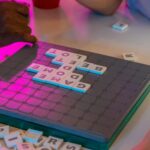
The Psychology Behind Daily Puzzle Habits in 2026
Most of us have encountered that urge: the daily crossword, a quick Sudoku, or the latest Wordle. As of May 2026, these small mental challenges are more popular than ever, forming a consistent habit for millions worldwide. But what s really going on in our brains that make us crave these daily brain workouts?
Last updated: May 5, 2026
Key Takeaways
- Daily puzzles tap into our innate drive for challenge and reward, releasing dopamine.
- Habitual puzzle engagement enhances cognitive functions like problem-solving, memory, and focus.
- These activities can serve as a form of mindfulness, reducing stress and promoting mental well-being.
- Understanding the psychological triggers can help individuals build and maintain a beneficial puzzle habit.
- Choosing the right puzzles and integrating them into a routine maximizes their positive impact.
Why We Seek Out Daily Puzzles
At its core, our fascination with daily puzzles stems from a deep-seated psychological need for engagement and mastery. Our brains are wired to seek novelty and challenge. Completing a puzzle, whether it’s a complex logic problem or a simple word game, provides a sense of accomplishment.
This sense of achievement triggers the release of dopamine, a neurotransmitter associated with pleasure and reward. Think of it as a mini-celebration in your brain each time you find a word, solve a sequence, or connect the dots. This positive reinforcement loop makes us want to repeat the experience.
The Cognitive Boost: Sharpening Your Mind Daily
The most celebrated benefit of a daily puzzle habit is the significant boost it gives to our cognitive functions. Engaging with puzzles regularly exercises various parts of the brain, leading to improvements in several key areas.
Problem-solving skills are honed as we learn to approach challenges systematically, and memory retention improves as we recall patterns, rules, and strategies from previous puzzles. Crucially, puzzles can enhance concentration and focus, training our minds to filter out distractions. According to research from the University of California, Berkeley, consistent mental stimulation through activities like puzzles can contribute to maintaining cognitive agility as we age.
Enhancing Executive Functions
Executive functions are a set of mental skills that include working memory, flexible thinking, and self-control. Daily puzzles, especially those requiring strategic planning and rule-following, directly exercise these functions. For instance, in a Sudoku, you must hold numbers in your working memory while assessing possibilities and inhibiting incorrect choices.
These skills aren’t only vital for puzzle-solving but also translate directly into everyday life, helping with tasks like planning, organization, and decision-making. As noted by the American Psychological Association, activities that challenge these functions are key to cognitive resilience.
Habit Formation: Why Puzzles Stick
Building a daily habit around puzzles is easier for many than, say, a rigorous exercise routine, and psychology offers clear reasons why. Puzzles often fit neatly into small pockets of time five minutes with a mobile game, ten minutes with a newspaper crossword. This low barrier to entry is crucial for habit formation.
The predictable reward cycle (challenge -> effort -> solution -> dopamine) is a powerful driver. Also, many puzzles have a familiar structure, reducing the cognitive load required to start. This predictability makes them a comforting, reliable part of a daily routine.
Dr. Wendy Wood, a leading researcher on habit formation, highlights that habits are often triggered by environmental cues and become automatic through repetition. Leaving a puzzle book on your bedside table or setting a phone reminder can act as these cues, making the puzzle habit more likely to stick.
Puzzles as a Mindfulness Practice
Beyond the cognitive benefits, engaging with daily puzzles can also serve as a powerful tool for stress reduction and mindfulness. When you’re engrossed in a puzzle, your focus narrows, pulling you away from worries and anxieties.
This state of flow, where you’re fully immersed in an activity, is inherently calming. It provides a mental break from the demands of work, family, and daily life. In a study published in the Journal of Health Psychology, engaging in enjoyable, low-stakes activities like puzzles was linked to reduced levels of cortisol, the stress hormone.
This mental quietude can be profoundly restorative. It’s a form of active meditation, where your mind is engaged but in a focused, non-strenuous way. This can be particularly beneficial for individuals who find traditional meditation challenging.
The Variety Factor: Finding Your Perfect Puzzle
The world of puzzles is vast, and understanding the different types can help you find one that truly resonates with you and supports your goals. Not all puzzles engage the brain in the same way, and variety can be key to sustained interest.
Word Puzzles: Crosswords, Scrabble, Wordle, and anagrams primarily engage language processing, vocabulary, and pattern recognition. They’re excellent for those who enjoy linguistic challenges.
Logic Puzzles: Sudoku, Kakuro, logic grids, and Ken Ken require deductive reasoning, numerical sequencing, and spatial awareness. These are fantastic for developing analytical thinking.
Visual Puzzles: Jigsaws, spot-the-difference, and mazes challenge visual processing, attention to detail, and spatial reasoning.
The key is to experiment. What one person finds stimulating, another might find tedious. For instance, someone who enjoys the strategic depth of chess might find a simple word search too basic, while a language enthusiast might struggle with numerical logic puzzles.
Common Puzzles and Their Psychological Triggers
Wordle, for example, gained immense popularity due to its daily format, social sharing aspect, and manageable difficulty. The short, timed nature creates a mild sense of urgency, and the shared experience fosters community. The New York Times Games section, featuring Crosswords and Spelling Bee, provides a more traditional, often more challenging, experience that many users integrate into their morning routine.
A 2024 survey by Statista indicated that mobile puzzle games continue to dominate casual gaming, with Sudoku and crosswords consistently ranking among the top downloaded genres.
Integrating Puzzles into Your Daily Routine
Making a daily puzzle habit stick requires a strategic approach that aligns with your lifestyle. It’s about making it easy, rewarding, and integrated into existing routines.
Anchor your habit: Tie your puzzle time to an existing daily activity. For example, do a crossword while enjoying your morning coffee, or a logic puzzle during your commute (if not driving!).
Start small: Don t aim for an hour-long complex puzzle on day one. Begin with 5–10 minutes and gradually increase the duration or complexity as your habit strengthens.
Make it accessible: Whether it’s a physical book, a newspaper, or a mobile app, ensure your chosen puzzle is readily available when the cue strikes.
Track your progress (optional): Some apps offer progress tracking, streak counts, or personal best times. While not essential for everyone, this can provide a motivational boost for some individuals.
Potential Drawbacks and How to Mitigate Them
While the benefits are substantial, it’s worth acknowledging potential downsides. Over-reliance on easy puzzles might not provide sufficient challenge for significant cognitive growth. Conversely, consistently choosing puzzles that are too difficult can lead to frustration and abandonment of the habit.
Mitigation: Regularly assess your puzzle difficulty. If you’re breezing through them, try a more challenging variant or a different type of puzzle. If you’re consistently stumped and frustrated, opt for something slightly easier to maintain the positive feedback loop. The goal is a ‘just right’ challenge, as described in psychological theories of motivation.
Also, excessive screen time associated with digital puzzles can lead to eye strain or disrupt sleep. If you primarily use digital puzzles, consider setting limits or choosing physical puzzle formats.
Frequently Asked Questions
Why do people feel compelled to do daily puzzles?
People are compelled to do daily puzzles due to the brain s reward system, which releases dopamine upon successful completion. This creates a positive feedback loop, encouraging repetition and habit formation for a sense of accomplishment and mental stimulation.
What are the primary psychological benefits of daily puzzle habits?
The primary psychological benefits include improved cognitive functions like memory, focus, and problem-solving skills. Puzzles also offer stress reduction, promote mindfulness, and can enhance executive functions such as planning and self-control.
Are there any negative psychological effects of doing puzzles daily?
While generally positive, potential negative effects include frustration from overly difficult puzzles, reduced challenge from overly easy ones, and potential issues like eye strain or sleep disruption from excessive screen time with digital puzzles.
How long does it take to form a daily puzzle habit?
Habit formation typically takes anywhere from 18 to 254 days, with an average of 66 days. Consistency is key; by integrating puzzles into an existing routine and experiencing small rewards, the habit can become more automatic over time.
What is the best type of daily puzzle for cognitive enhancement?
The ‘best’ type varies by individual, but puzzles that engage multiple cognitive functions are ideal. Logic puzzles (like Sudoku) and complex word puzzles (like advanced crosswords) are often cited for their broad cognitive benefits.
Can daily puzzles help with anxiety or stress?
Yes, puzzles can act as a form of mindfulness, diverting attention from stressors and promoting a state of flow. This focused engagement can provide a calming mental break, reducing feelings of anxiety and stress.
Last reviewed: May 2026. Information current as of publication; pricing and product details may change.
Related read: Wordle Alternatives: New Word Games to Try in 2026