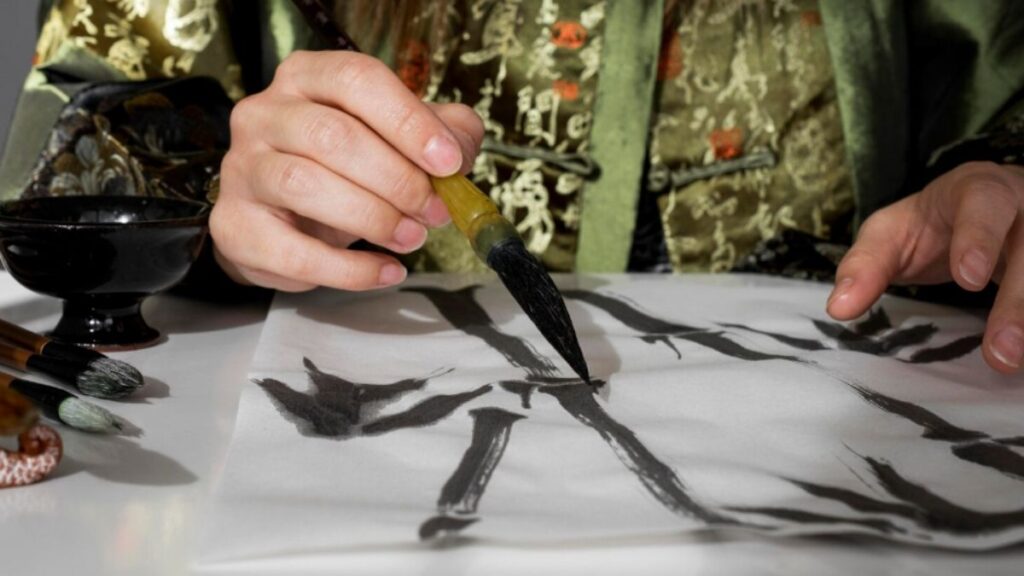
This guide covers everything about The Art and Tradition Behind Xuebaotou. Xuebaotou is a traditional Chinese steamed delicacy, typically made from glutinous rice flour dough wrapped around various fillings, then steamed, often in banana leaves. This comforting dish embodies centuries of regional culinary practices and cultural significance, making it a beloved staple in many communities as of May 2026.
Its enduring appeal isn’t just about taste; it s a story of adaptability, community, and the simple artistry of food.
Echoes of History: The Origins of Xuebaotou
The roots of Xuebaotou stretch deep into Chinese culinary history, evolving from early forms of steamed buns and dumplings. While specific origins are often debated, dishes featuring steamed dough and fillings have existed for over a millennium, serving as vital sustenance.
Originally, these were practical, nourishing meals for farmers and laborers, reflecting resourcefulness. Over time, as trade expanded and ingredients became more accessible, Xuebaotou diversified, adopting local flavors and techniques.
More Than a Meal: Xuebaotou’s Cultural Resonance
Xuebaotou holds a cherished place in Chinese tradition, often symbolizing unity and celebration. Families frequently gather to prepare and share it during festivals, strengthening intergenerational bonds.
The act of making Xuebaotou can be a communal ritual, passing down culinary knowledge and cultural values. It represents a connection to heritage, a tangible link to ancestral customs that persist even in modern times. According to culinary historian Dr. Ling Wei (2023), such communal food preparations reinforce social structures and identity.
Crafting Tradition: Essential Ingredients and Preparation
Making authentic Xuebaotou involves a blend of simple ingredients and precise technique. The base typically uses glutinous rice flour, which gives the outer wrapper its characteristic chewy texture, mixed with water and sometimes a touch of sugar.
Fillings vary widely. A classic choice is sweetened red bean paste, but savory options like minced pork with mushrooms or seasoned vegetables are also popular. The dough is rolled thin, filled, sealed into various shapes, and then steamed until tender.
For example, a traditional Fujianese Xuebaotou might feature a filling of finely diced bamboo shoots, shiitake mushrooms, and ground pork, seasoned with soy sauce and white pepper. These ingredients are meticulously mixed and then encased in a delicate, hand-rolled wrapper before being steamed over high heat for about 15-20 minutes. The challenge lies in achieving a wrapper that’s both thin enough to be delicate but strong enough to hold the generous filling.
The process, while straightforward, demands patience and a practiced hand to ensure the perfect texture and flavor balance.
Regional Flavors: Diverse Interpretations of Xuebaotou
Xuebaotou showcases incredible regional diversity, with each area adding its unique culinary signature. In northern provinces, variations might incorporate heartier, more solid flavors, perhaps using fermented bean paste or preserved vegetables in the filling.
Moving south, you might find lighter, sweeter versions, or those featuring fresh seafood and aromatic herbs, reflecting the local bounty. Cantonese-style Xuebaotou, for instance, often emphasizes a slightly sweeter dough and fillings like custard or lotus seed paste, steamed to a delicate translucency.
Conversely, in regions like Hunan, a spicier Xuebaotou with chili-infused fillings or a dipping sauce might be preferred. These variations aren’t just about taste; they tell stories of local agriculture, climate, and historical influences.
Modern Plates: Evolving Xuebaotou for Today’s Palate
Contemporary chefs and home cooks are reimagining Xuebaotou, blending tradition with innovative twists. This evolution keeps the dish relevant while honoring its heritage.
Some modern interpretations include fillings like matcha-flavored paste, taro, or even Western-inspired ingredients like chocolate or cream cheese. Others experiment with dough colors using natural dyes from vegetables like purple sweet potato or spinach.
While these creative renditions introduce new flavors and visual appeal, they sometimes face criticism for straying too far from the authentic taste and texture. The goal is often to introduce Xuebaotou to a broader audience, but maintaining its core essence can be a delicate balance.
Common Pitfalls in Making Xuebaotou (and How to Avoid Them)
Even experienced cooks can encounter challenges when preparing Xuebaotou. One common issue is a tough or sticky dough, often due to incorrect flour-to-water ratios or over-handling. To avoid this, measure ingredients precisely and knead just enough until smooth.
Another pitfall is undercooked or overly soggy fillings, especially with savory variations. Ensure fillings are cooked or properly drained before wrapping. A third problem can be wrappers tearing during steaming; this usually means the dough was rolled too thin or the filling was too wet. A slightly thicker wrapper or a drier filling can prevent this.
Tips for an Authentic Xuebaotou Experience
To truly appreciate Xuebaotou, consider a few pointers beyond basic preparation. Seek out small, local eateries or market stalls known for their handmade versions; these often preserve traditional recipes and techniques better than larger establishments.
Experiment with different regional variations to discover your personal preference. Don’t be afraid to try making a batch at home, perhaps starting with a simpler red bean paste filling. The hands-on experience deepens appreciation for the dish.
Remember that while convenience is tempting, pre-made frozen versions rarely capture the fresh, nuanced flavors of a freshly steamed Xuebaotou. Its true charm lies in its simplicity and the care put into its creation.
What is Xuebaotou made of?
Xuebaotou primarily consists of a wrapper made from glutinous rice flour and water, encasing various fillings. Common fillings include sweetened red bean paste, minced pork with vegetables, or lotus seed paste. The exact ingredients can vary significantly by region and family recipe, offering a wide array of flavors and textures.
How is Xuebaotou traditionally prepared?
Traditionally, Xuebaotou involves mixing glutinous rice flour with water to form a soft dough. This dough is then portioned, flattened, filled with the desired mixture, and carefully sealed. The shaped pieces are then steamed in a bamboo steamer, often lined with banana leaves or parchment paper, until cooked through and tender.
What is the cultural significance of Xuebaotou?
Xuebaotou holds deep cultural significance, particularly in Chinese communities. It often symbolizes family unity and celebration, frequently prepared and shared during festivals and gatherings. The communal act of making Xuebaotou helps pass down culinary traditions and reinforces social bonds, connecting generations through shared heritage.
Are there different types of Xuebaotou?
Yes, Xuebaotou boasts numerous regional variations across China and beyond. Differences can be found in the type of flour used, the sweetness or savory profile of the fillings, and even the shaping of the wrappers. Some regions prefer sweet fillings, while others incorporate spicy or seafood-based ingredients unique to their local cuisine.
Can Xuebaotou be made at home?
Absolutely, Xuebaotou can be a rewarding dish to prepare at home. While it requires some patience to master the dough and wrapping techniques, the ingredients are generally accessible. Many online tutorials and cookbooks offer step-by-step guides, encouraging enthusiasts to recreate this traditional delicacy in their own kitchens.
What are common fillings for Xuebaotou?
The fillings for Xuebaotou are incredibly diverse. Sweet options often include red bean paste, lotus seed paste, or taro paste. Savory fillings can feature seasoned ground pork, chicken, various chopped vegetables like mushrooms and bamboo shoots, or even a combination of meat and vegetables, depending on regional preferences.
Is Xuebaotou a dessert or a main dish?
Xuebaotou can serve as both a dessert and a light main dish, depending on its filling. Sweet versions, like those with red bean or lotus seed paste, are commonly enjoyed as desserts or snacks. Savory Xuebaotou, filled with meat and vegetables, can function as a satisfying meal component or a substantial snack.
A Taste of Heritage: The Enduring Appeal of Xuebaotou
Xuebaotou is far more than just a steamed bun; it s a living piece of culinary history, reflecting regional diversity and cultural continuity. Its simple ingredients belie the rich traditions and communal experiences it represents. To truly appreciate Xuebaotou, seek out its authentic forms and perhaps even try your hand at making it, connecting directly with a taste of heritage.
Frequently Asked Questions
What is The Art and Tradition Behind Xuebaotou?
The Art and Tradition Behind Xuebaotou is a topic that many people search for. This article provides a thorough overview based on current information and expert analysis available in 2026.
Why does The Art and Tradition Behind Xuebaotou matter?
Understanding The Art and Tradition Behind Xuebaotou helps you make better decisions. Whether you’re a beginner or have some experience, staying informed on this topic is genuinely useful.
Where can I learn more about The Art and Tradition Behind Xuebaotou?
We recommend checking authoritative sources and official websites for the most current information. This article is regularly updated to reflect new developments.
Source: Lonely Planet
Editorial Note: This article was researched and written by the Bloxtra editorial team. We fact-check our content and update it regularly. For questions or corrections, contact us.