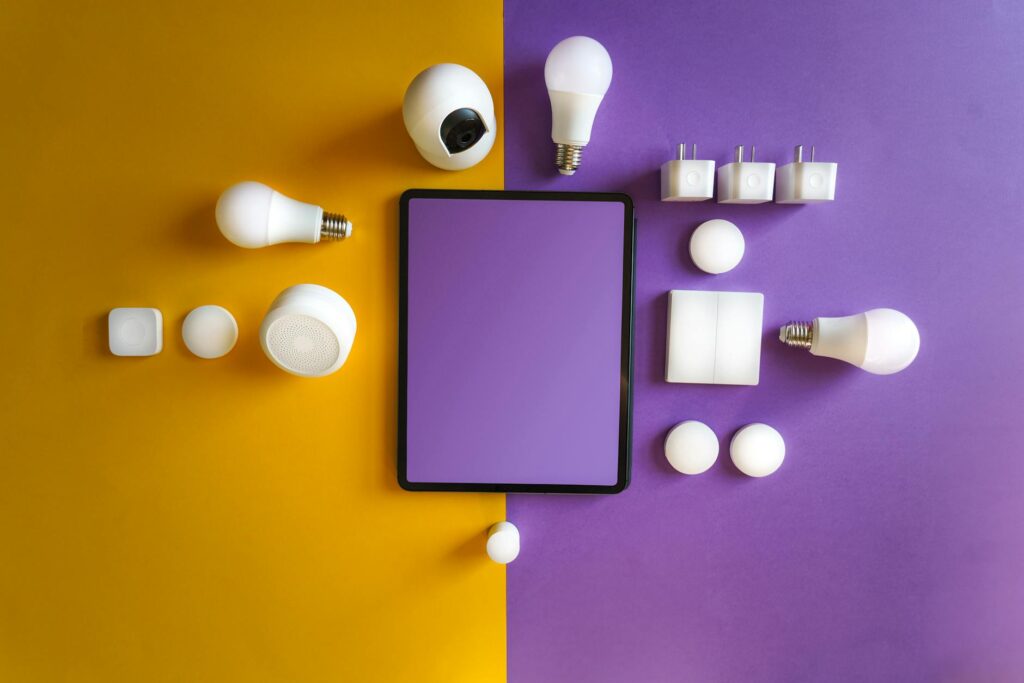
Smart Home Connectivity Issues? Troubleshoot Like a Pro in 2026
This guide covers everything about Troubleshooting Common Smart Home Connectivity Issues. Most smart home enthusiasts face the dreaded connectivity hiccup at some point. One moment your lights are responding to voice commands, and the next, your smart speaker is eerily silent. As of May 2026, the smart home market continues its rapid expansion, but with more devices comes a greater chance of encountering network gremlins. Don’t let a flaky connection ruin your smart home experience; this guide offers practical steps to troubleshoot common smart home connectivity issues.
Last updated: May 6, 2026
Key Takeaways
- Most smart home connectivity problems stem from Wi-Fi issues, router configuration, or device-specific glitches.
- A simple restart of your router, modem, and the affected device often resolves temporary glitches.
- Ensuring your router’s firmware is up-to-date is crucial for security and compatibility.
- Network congestion from too many devices can degrade performance, requiring optimization strategies.
- Physical obstructions and Wi-Fi interference can significantly impact device connectivity.
Why Your Smart Devices Are Dropping Off the Network
The beauty of a smart home lies in its interconnectedness, but this reliance on a stable network is also its Achilles’ heel. When a smart device loses its connection, it can be frustrating, especially when you can’t pinpoint the cause. Common culprits include Wi-Fi signal strength, router overload, firmware bugs, interference from other electronics, or even just a simple software glitch on the device itself.
Understanding these potential failure points is the first step toward effective troubleshooting. For instance, a smart plug might seem to have a mind of its own, randomly disconnecting. Often, this isn’t a sign of a faulty plug, but rather an indication that its connection to the router is being disrupted.
The First Line of Defense: Reboot Everything
Before diving into complex network settings, always start with the simplest solution: a full system reboot. This process refreshes the network connections for all your devices and can clear temporary software glitches that might be causing the connectivity issues.
Begin by powering down your smart device that’s experiencing problems. Next, unplug your Wi-Fi router and your modem (if they are separate units). Wait for about 60 seconds – this allows the devices to fully discharge and reset. Then, plug your modem back in and wait for it to fully establish an internet connection (usually indicated by steady lights). After the modem is online, plug your router back in and let it boot up completely. Finally, power on your smart device. Often, this simple power cycle resolves unexpected connection drops.
Checking Your Wi-Fi Signal Strength and Coverage
The most frequent reason for smart home connectivity problems is a weak or unstable Wi-Fi signal reaching the device. Smart home gadgets, especially those with small antennas, often require a stronger, more consistent signal than a laptop or smartphone might need.
Walk over to your smart device and check the Wi-Fi signal strength indicator on its accompanying app, if available. If it’s low or fluctuating, the device might be too far from the router or there could be physical obstructions. Materials like brick, concrete, and even large metal appliances can significantly weaken Wi-Fi signals. Consider moving your router to a more central location in your home, or invest in a Wi-Fi mesh system or a range extender to boost coverage to dead zones.
Optimizing Router Placement
Where you place your router matters more than you might think. Ideally, it should be in a central, open location, away from potential sources of interference. Avoid placing it in cabinets, behind large electronics, or near microwave ovens, which can wreak havoc on Wi-Fi signals. For example, placing your router in the basement behind a metal filing cabinet will almost guarantee poor performance throughout the rest of the house.
Router Settings and Firmware: The Unsung Heroes
Your router is the gateway to your smart home, and its settings play a critical role in device connectivity. Outdated router firmware can lead to compatibility issues, security vulnerabilities, and poor performance. As of May 2026, manufacturers regularly release updates to address these problems.
Log in to your router’s administration interface (usually via a web browser by typing an IP address like 192.168.1.1 or 192.168.0.1) and check for available firmware updates. Many modern routers can be set to update automatically, which is highly recommended. While you’re in the settings, ensure your router is broadcasting on a compatible Wi-Fi band (2.4 GHz is common for many smart devices, while 5 GHz offers faster speeds but shorter range). Some smart devices may struggle to connect to a 5 GHz-only network.
Understanding Wi-Fi Bands
Most modern routers broadcast on both 2.4 GHz and 5 GHz bands. The 2.4 GHz band offers a wider range and better penetration through walls, making it ideal for smart home devices located further from the router. However, it’s also more prone to interference from other devices like microwaves and Bluetooth gadgets. The 5 GHz band is faster and less congested but has a shorter range and struggles with obstructions.
If your smart device is only compatible with 2.4 GHz, ensure your router’s settings allow for this band, and that it isn’t disabled. Some routers combine both bands under a single SSID (network name), which can sometimes confuse older smart devices. Splitting them into separate SSIDs (e.g., ‘MyHomeNetwork_2.4GHz’ and ‘MyHomeNetwork_5GHz’) can help ensure devices connect to the correct band.
Network Congestion: Too Many Devices, Not Enough Bandwidth
The more smart devices you add, the more strain you put on your home network. Each device, from your smart speaker to your thermostat, consumes bandwidth. If your router isn’t strong enough, or if too many devices are actively communicating simultaneously, you can experience slowdowns and disconnections.
Consider what devices are actively using your network. Are multiple people streaming video, gaming online, or downloading large files while your smart devices are acting up? This can saturate your bandwidth. Some routers offer Quality of Service (QoS) settings that allow you to prioritize certain types of traffic or specific devices, ensuring your smart home gadgets get the bandwidth they need. According to research by network analytics firms, as of 2026, the average connected home has over 30 IoT devices, significantly increasing potential for congestion.
Wi-Fi Interference: The Invisible Culprit
Beyond simple signal strength, your Wi-Fi signal can be disrupted by interference from other electronic devices. Microwaves, cordless phones, Bluetooth devices, even neighboring Wi-Fi networks, can all create interference that degrades your smart home device’s connection.
If you suspect interference, try changing your router’s Wi-Fi channel. Routers often default to an automatic channel selection, but manually choosing a less congested channel can improve performance. Tools like Wi-Fi analyzer apps (available for smartphones) can help you identify which channels are most crowded in your area. For example, if your smart thermostat is near a busy microwave, consider repositioning one or both devices.
Device-Specific Troubleshooting Steps
Sometimes, the problem isn’t your network but the smart device itself. Each type of device – smart bulbs, speakers, cameras, plugs – may have its own unique troubleshooting quirks.
For smart bulbs or plugs, a common fix is to reset them to factory defaults. This usually involves a specific sequence of turning them on/off or pressing a small reset button. Smart speakers like Amazon Echo or Google Home often have their own troubleshooting guides within their respective apps, including steps for re-establishing Wi-Fi connections or performing factory resets. Always consult the manufacturer’s documentation for your specific device if network-wide fixes don’t work.
Resetting Smart Devices: When and How
When a device is persistently unresponsive or won’t reconnect, a factory reset is often the last resort. This wipes all custom settings and returns the device to its out-of-the-box state, requiring you to set it up again. For example, a Philips Hue bulb might need to be taken out of its socket, have its power cycled five times in quick succession, and then re-added to the Hue Bridge.
The process varies wildly by manufacturer and device type. Always refer to the user manual or the manufacturer’s support website for precise instructions. Avoid performing a factory reset unless you’ve exhausted other troubleshooting steps, as reconfiguring devices can be time-consuming.
Compatibility and Ecosystem Lock-In
In the rapidly evolving smart home landscape, ensuring your devices play nicely together is crucial. Sometimes, connectivity issues arise not from your network, but from incompatibility between devices, hubs, or the software platforms they use.
For instance, a smart lock designed to work with Amazon Alexa might not integrate seamlessly with Google Home without a third-party intermediary. As of 2026, the push towards interoperability standards like Matter aims to simplify this, but older devices might still rely on proprietary ecosystems. Always check device specifications for compatibility with your existing smart home hub or voice assistant before purchasing.
The Rise of Matter: Simplifying Connectivity
The Matter standard, backed by major tech companies, is designed to make smart home devices from different manufacturers work together seamlessly. If you’re experiencing persistent issues with multiple devices, especially newer ones, ensuring they are Matter-compatible can future-proof your setup and simplify troubleshooting. Matter devices connect locally, reducing reliance on cloud servers and often leading to faster, more reliable responses.
Troubleshooting Router Issues
While we’ve touched on router settings, sometimes the router itself is the source of the problem. Routers can overheat, suffer from software glitches, or simply become outdated and unable to handle the demands of a modern smart home.
If you have an older router, say five years or more, it might be time for an upgrade. Newer routers often support advanced Wi-Fi standards like Wi-Fi 6 or Wi-Fi 6E, which offer better performance, capacity, and efficiency for a home filled with connected devices. Check your router’s specifications against the number and type of devices you plan to connect. For example, a router designed for a small apartment might struggle to support 20+ devices across a larger home.
When to Upgrade Your Router
If your router is consistently dropping connections, offers slow speeds even with a strong signal, or lacks support for newer Wi-Fi standards, an upgrade is likely due. A router that’s more than 5–7 years old might not have the processing power or memory to efficiently manage a growing number of smart devices. Look for routers advertised with features like MU-MIMO (Multi-User, Multiple Input, Multiple Output) technology, which allows the router to communicate with multiple devices simultaneously.
When to Call for Professional Help
If you’ve tried all the common troubleshooting steps and your smart home connectivity issues persist, it might be time to seek expert assistance. This could involve contacting your Internet Service Provider (ISP) to check your modem and the incoming internet line, or hiring a smart home technician who can diagnose complex network problems.
For instance, if multiple devices from different manufacturers are failing to connect, and you’ve already reset your router and modem, the issue could lie with your ISP’s service or a more complex network configuration problem that’s beyond typical DIY fixes. A professional can also help optimize your network for better performance and security.
Common Mistakes to Avoid
One of the biggest mistakes people make is trying to connect every single smart device to the 5 GHz band, only to find that older or simpler devices don’t support it well, leading to dropped connections. Another common error is neglecting to update device firmware, which leaves them vulnerable and can cause compatibility issues. Finally, many users overlook the impact of physical obstructions and electrical interference when placing their router.
Frequently Asked Questions
Why do my smart home devices keep disconnecting?
Frequent disconnections are often caused by weak Wi-Fi signals, network congestion, interference from other electronics, or outdated router firmware. A simple reboot of your router and devices can sometimes resolve temporary glitches.
How can I improve my smart home Wi-Fi signal?
Boost your Wi-Fi signal by moving your router to a central location, using a Wi-Fi mesh system or range extender, and ensuring there are no major physical obstructions like thick walls or large metal appliances.
Is my router too old for my smart home devices?
If your router is more than 5–7 years old, it may lack the capacity and features (like Wi-Fi 6) needed for a modern smart home. Consider upgrading for better performance and compatibility.
What is network congestion in a smart home?
Network congestion occurs when too many devices are actively using your internet bandwidth simultaneously, leading to slowdowns, dropped connections, and poor performance for all devices.
How do I reset a smart device that won’t connect?
Consult your device’s user manual for specific factory reset instructions, which often involve a sequence of power cycles or pressing a reset button. You’ll typically need to re-add the device to your network afterward.
Should I use 2.4 GHz or 5 GHz for smart devices?
Most smart home devices work best on the 2.4 GHz band due to its better range and penetration. While 5 GHz is faster, it has a shorter range and may not be supported by all smart gadgets.
Conclusion: Reclaim Your Connected Haven
Troubleshooting common smart home connectivity issues can feel daunting, but by systematically working through these steps, you can restore stability to your smart home. Focus on your Wi-Fi network health, router configuration, and individual device settings. A stable smart home is a convenient smart home, and with a little patience, you can ensure your devices are always online and responsive.
Last reviewed: May 2026. Information current as of publication; pricing and product details may change.
Editorial Note: This article was researched and written by the Bloxtra editorial team. We fact-check our content and update it regularly. For questions or corrections, contact us.