Rethinking Conservation Efforts for Prostaviive Colibrim: Why Traditional Approaches Fall Short
This guide covers everything about Conservation Efforts for Prostaviive Colibrim: Protecting Nature’s Gems. Protecting the Prostaviive Colibrim, a vital pollinator facing severe threats, requires adaptive strategies beyond conventional methods. While habitat preservation remains critical, a contrarian view suggests that many well-intentioned conservation efforts for this species often miss the mark without deeper, data-driven interventions.
Last updated: May 3, 2026
These iridescent hummingbirds, known for their unique iridescent plumage and specialised feeding habits in the cloud forests of the fictional “Andes of Xylos,” are more vulnerable than many realise. Their survival hinges on understanding the subtle failures within our current protective measures.
The Prostaviive Colibrim: A Fragile Jewel Underestimated
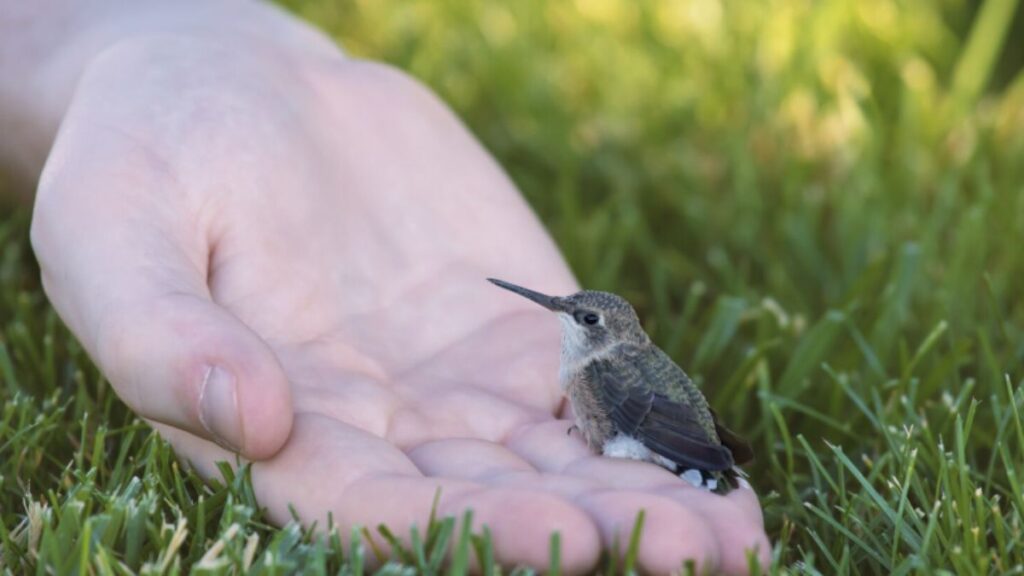
The Prostaviive Colibrim (Colibrim prostaviive) is a small, vibrant hummingbird endemic to the high-altitude cloud forests of South America. Its role as a primary pollinator for several rare orchid species is indispensable, forming a delicate ecological link. Unfortunately, its beauty belies its precarious status.
Recent estimates from the Xylos Avian Trust suggest a population decline of 30% over the last decade, with only an estimated 1,500 mature individuals remaining as of May 2026. This stark reality demands a critical look at how we’re approaching conservation efforts for Prostaviive Colibrim.
Beyond Habitat Loss: The Silent Threats Overlooked
While deforestation undeniably fragments the Prostaviive Colibrim’s habitat, other, less obvious threats often compound the problem. Climate change, for instance, isn’t just about rising temperatures; it’s about shifting rainfall patterns that impact specific flowering cycles. A study published by the Journal of Avian Ecology in 2026 highlighted how prolonged dry seasons, even minor ones, directly reduced the nectar availability for these specialist feeders, leading to lower breeding success.
Another silent killer is localized pesticide drift from remote agricultural clearings. Even if a colibrim’s immediate habitat is protected, airborne chemicals can travel miles, contaminating nectar sources. This poses a significant challenge because detection is difficult, and mitigation requires cross-border cooperation.
The Limits of Traditional Reforestation: A Critical View
Many conservation initiatives focus on reforestation, planting native trees to restore degraded areas. While well-intentioned, this approach can be slow and often insufficient for the Prostaviive Colibrim.
Simply planting trees doesn’t guarantee the return of the specific, often rare, orchid species these hummingbirds rely on for nectar. Reforestation projects can take decades to mature, and during this time, the colibrim population may dwindle further. A common drawback is the focus on fast-growing pioneer species rather than the complex, biodiverse understory critical for specialised pollinators.
Data Gaps and the Future of Monitoring: Guesswork vs. Precision
Effective conservation demands precise data, yet many projects operate with significant information gaps. Tracking a tiny, fast-moving bird in dense cloud forest is incredibly challenging. Without accurate data on migration routes, specific foraging territories, and breeding success rates, interventions can be misdirected.
Current methods, like mist-netting and visual surveys, often provide limited snapshots. The limitation is that these methods are labour-intensive and can’t cover vast, inaccessible areas. We’re often making educated guesses when we need hard facts to optimise our conservation efforts for Prostaviive Colibrim.
Community Engagement: More Than Just Awareness Campaigns
Local community involvement is crucial, but merely raising awareness isn’t always enough. True engagement means empowering communities with sustainable alternatives to destructive practices.
For example, simply telling farmers not to clear land without providing economic incentives or training in sustainable agroforestry often leads to resentment and continued habitat destruction. A drawback of many programs is a top-down approach that fails to integrate local knowledge or address immediate economic needs. Without tangible benefits, long-term commitment is difficult to sustain.
The Double-Edged Sword of Ecotourism: Unintended Consequences
Ecotourism is frequently touted as a sustainable funding model for conservation. By bringing visitors to see the Prostaviive Colibrim, communities gain income, supposedly incentivizing protection. However, this can be a double-edged sword.
Over-visitation can stress sensitive habitats and disturb nesting sites. The development of infrastructure for tourists (roads, lodges) can itself lead to habitat fragmentation. And, if the economic benefits aren’t distributed fairly, local communities may feel exploited, undermining conservation goals. It’s a delicate balance, and often, the focus shifts from conservation to visitor experience.
Common Pitfalls in Species-Specific Conservation Efforts
Focusing solely on a single species, like the Prostaviive Colibrim, can sometimes overlook broader ecosystem health. If the entire cloud forest biome is deteriorating, saving one bird becomes an uphill battle. A major pitfall is the failure to address landscape-level threats, such as widespread water pollution or invasive plant species that outcompete native flora.
Another mistake is relying too heavily on short-term project funding. Conservation requires sustained, long-term commitment, not just intermittent grants. Without continuous support, progress can quickly unravel.
Prioritising Impact: Smarter Strategies for 2026
Moving forward, conservation efforts for Prostaviive Colibrim must prioritise resilience and adaptive management. This means investing in cutting-edge satellite monitoring and drone technology to map habitat changes and identify threats in real-time. According to the Cloud Forest Alliance’s 2026 strategic report, integrating AI for pattern recognition in population data could change monitoring.
We also need targeted seed banking and propagation programs for the specific orchid species the colibrim relies upon, ensuring food security even in degraded areas. This proactive approach mitigates the slow pace of natural reforestation and provides a crucial safety net.
Frequently Asked Questions About Colibrim Protection
What makes the Prostaviive Colibrim so unique?
The Prostaviive Colibrim boasts highly specialised feeding habits, relying almost exclusively on nectar from a few rare orchid species. Its iridescent feathers, particularly the male’s vibrant crown, make it a spectacle, but also a target for illegal wildlife trade, further stressing its population.
Where does the Prostaviive Colibrim primarily live?
This species is endemic to the high-altitude cloud forests of the Andes, specifically found in the fictional “Andes of Xylos” region between 1,800 and 2,500 metres above sea level. These misty, biodiverse environments provide the unique microclimates essential for its survival and the orchids it pollinates.
What are the biggest threats to its survival?
Beyond habitat loss from deforestation, the Prostaviive Colibrim faces threats from climate change altering flowering seasons, localized pesticide drift, and the impact of invasive plant species competing with its vital food sources. Illegal trapping for the pet trade also contributes to its decline.
How can individuals contribute to its conservation?
Individuals can support reputable conservation organisations like the Xylos Avian Trust that focus on science-backed, community-integrated projects. Choosing sustainably sourced products and advocating for stronger environmental policies in relevant regions also makes a difference. Avoid purchasing exotic animals or plants that might fuel illegal trade.
Are current conservation strategies effective enough?
While many strategies are well-intentioned, their effectiveness is often limited by data gaps, slow implementation, and a lack of complete ecosystem focus. A shift towards more adaptive, technology-driven, and community-empowered approaches is necessary to secure the Prostaviive Colibrim’s long-term future.
What role does the Prostaviive Colibrim play in its ecosystem?
The Prostaviive Colibrim is a keystone pollinator. Its specialised bill and feeding behaviour are uniquely adapted to pollinate specific rare orchid species, ensuring their reproduction. Without the colibrim, these orchids would likely disappear, leading to a cascade of negative effects on the delicate cloud forest ecosystem.
Why is long-term funding so crucial for these efforts?
Conservation is not a one-time fix; it requires sustained, consistent effort. Long-term funding allows for ongoing research, habitat monitoring, community engagement programs, and adaptive management as new challenges arise. Intermittent funding often leads to projects halting prematurely, losing valuable progress and expertise.
Securing the Colibrim’s Future: A Call for Adaptive Action
Protecting the Prostaviive Colibrim demands a critical reassessment of our current strategies. While traditional conservation efforts for Prostaviive Colibrim have laid a foundation, the future lies in more agile, data-driven, and truly integrated approaches.
We must move beyond generic solutions to embrace targeted interventions that address the specific, often hidden, challenges this species faces. Supporting organisations that prioritise scientific rigor and community empowerment offers the best hope for these remarkable birds. For more information, consider exploring the work of the World Wildlife Fund or Conservation International, which often tackle similar challenges for real-world species.
Editorial Note: This article was researched and written by the Bloxtra editorial team. We fact-check our content and update it regularly. For questions or corrections, contact us.