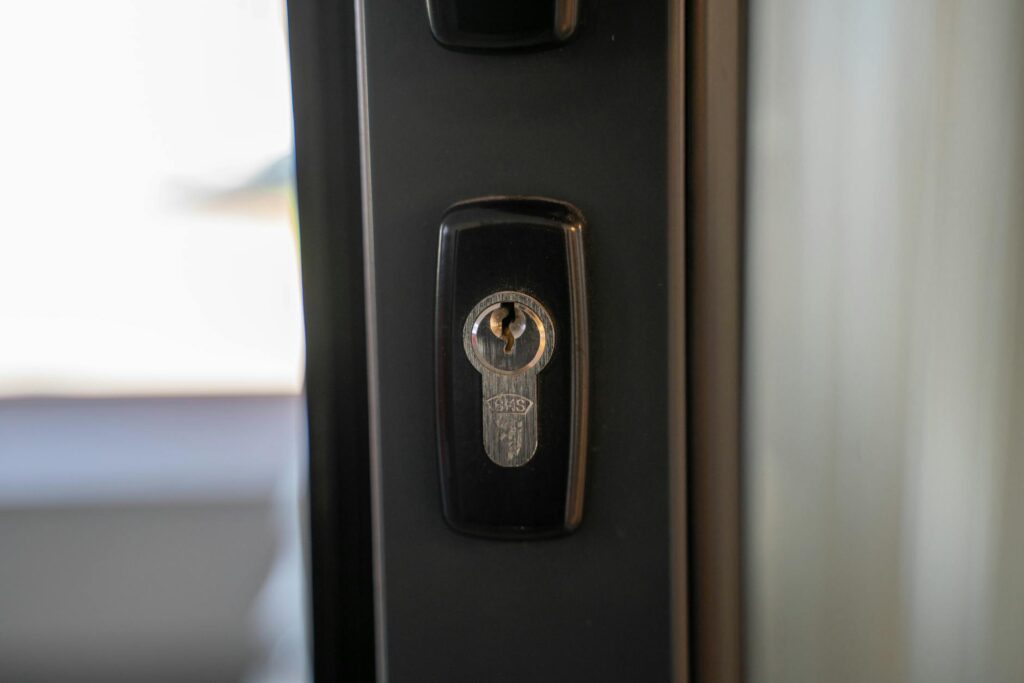
Why Your Home Needs a Smart Lock in 2026
This guide covers everything about The Best Smart Locks for Enhanced Home Security in 2026. Most homeowners still rely on traditional keys, but as of May 2026, that’s becoming increasingly outdated. Why is your front door still using a traditional key? Discover the best smart locks that offer enhanced home security, convenience, and peace of mind through advanced keyless entry technology. Upgrading your door lock is one of the most impactful steps you can take to secure your home.
Last updated: May 6, 2026
Key Takeaways
- Smart locks offer enhanced security through features like remote access, activity logs, and tamper alerts.
- Keyless entry methods include keypads, smartphone apps, fingerprint scanners, and voice commands.
- Integration with smart home ecosystems (Alexa, Google Home) is a key benefit for modern homes.
- Consider battery life, connectivity (Wi-Fi, Bluetooth, Z-Wave), and installation complexity when choosing.
- While convenient, smart locks require careful setup and security awareness to prevent vulnerabilities.
The Evolution of Home Access Control
For centuries, the humble key was the primary means of securing our homes. Today, however, smart locks are revolutionizing how we manage access. These devices use wireless technology and sophisticated software to offer a more dynamic and secure way to enter and exit your home. As of 2026, smart lock technology has matured significantly, offering strong features that go far beyond simple remote unlocking.
The core appeal lies in convenience and enhanced security. Imagine never fumbling for keys again, granting temporary access to a guest remotely, or receiving an alert if someone tampers with your door. These aren’t futuristic fantasies; they are realities with the best smart locks available today. According to a recent survey by the Statista Research Department (2026), adoption rates for smart home security devices, including smart locks, continue to climb, with a significant portion of households now utilizing keyless entry solutions.
Key Features to Look For in 2026 Smart Locks
When shopping for the best smart locks for enhanced home security in 2026, several features should be at the top of your checklist. Beyond simply unlocking the door, these devices offer layers of protection and convenience.
Multiple Entry Methods
The beauty of smart locks is the variety of ways you can grant access. Most offer a combination, ensuring you always have a backup. Common methods include:
- Keypad Entry: PIN codes are a staple, allowing entry for anyone who knows the code.
- Smartphone App: Using Bluetooth or Wi-Fi, your phone becomes your key, offering remote control and geo-fencing capabilities.
- Biometric Scanners: Fingerprint recognition provides a quick and highly secure method of entry.
- Voice Commands: Integrated with smart assistants like Alexa or Google Assistant, you can unlock your door with a spoken command (often with an added security passphrase).
A significant advantage of multiple entry methods is redundancy. If your phone battery dies, you still have a keypad code. If you forget your code, a trusted family member might have app access. This versatility is crucial for smooth home access.
Remote Access and Control
This is perhaps the most defining feature of a smart lock. Through a dedicated smartphone app, you can lock or unlock your door from anywhere with an internet connection. This is invaluable for situations like forgetting to lock the door after leaving, or granting access to a dog walker or delivery person when you’re not home. Some smart locks even offer geo-fencing, which can automatically unlock your door as you approach your home or lock it as you leave.
Activity Logs and Notifications
Peace of mind comes from knowing who is coming and going. Smart locks provide detailed activity logs, showing exactly when the door was locked or unlocked, and by what method. You can also set up real-time push notifications to your phone for specific events, such as a family member arriving home or any unauthorized access attempts. This level of transparency is a significant security upgrade over traditional locks.
Tamper Alerts and Security Features
Reputable smart lock manufacturers build in strong security measures. Features like auto-locking after a set period, audible alarms for forced entry attempts, and encrypted communication protocols protect your home. Look for locks that meet industry security standards, such as those recommended by the National Institute of Standards and Technology (NIST) for IoT device security.
Top Smart Lock Models for 2026
Choosing the right smart lock depends on your specific needs, budget, and existing smart home setup. Here are a few standout options as of May 2026, known for their reliability, features, and security:
| Brand & Model | Key Features | Connectivity | Pros | Cons |
|---|---|---|---|---|
| August Wi-Fi Smart Lock (4th Gen) | Remote access, activity log, voice control, auto-lock | Wi-Fi, Bluetooth | Easy installation (fits over existing deadbolt), elegant design | Requires a separate Wi-Fi bridge for remote access if not the Wi-Fi model; no physical keypad |
| Schlage Encode Smart Wi-Fi Deadbolt | Built-in Wi-Fi, keypad entry, voice control, strong build | Wi-Fi | Reliable, excellent security, simple setup without a hub | Limited integration with some smart home platforms; can be a bit bulky |
| Yale Assure Lock 2 | Sleek design, modular (add Wi-Fi, Z-Wave, etc.), keypad or key-free options | Bluetooth (Wi-Fi/Z-Wave optional modules) | Modern aesthetic, customizable with different modules, good battery life | Requires purchasing modules for smart home integration; app can be less intuitive than competitors |
| Wyze Lock Bolt | Fingerprint scanner, keypad, app control, affordable | Bluetooth (Wi-Fi gateway sold separately) | Excellent value for money, fast fingerprint recognition | Requires additional gateway for remote access; battery life can be shorter than others |
When evaluating these options, consider how they integrate with your existing smart home ecosystem. For example, if you heavily use Amazon Alexa, a lock with strong Alexa compatibility will offer a more smooth experience.
Smart Lock Installation: DIY vs. Professional
One of the most common concerns is installation. Thankfully, most modern smart locks are designed for DIY installation. The process typically involves removing your old deadbolt and installing the new smart lock components, often requiring just a screwdriver. For instance, the August Wi-Fi Smart Lock is designed to install over your existing deadbolt in minutes.
However, if you’re not comfortable with basic DIY tasks or if your door frame requires adjustments, hiring a professional installer is a wise choice. Improper installation can compromise the lock’s security and functionality. Many locksmiths and smart home installation services offer this expertise. According to Home Advisor, professional installation typically ranges from $100 to $250, depending on your location and the complexity of the job.
Connectivity: Wi-Fi, Bluetooth, Z-Wave, and Beyond
Understanding the connectivity options is crucial for smart lock functionality. Each has its pros and cons:
- Bluetooth: Offers direct connection to your smartphone when you’re nearby. It’s energy-efficient but requires you to be within range for most functions.
- Wi-Fi: Allows for direct connection to your home network, enabling remote access without a separate hub. This is often the most convenient for remote control but can consume more battery power.
- Z-Wave/Zigbee: These are low-power, mesh networking protocols that require a compatible hub (like those found in Samsung SmartThings or Habitat systems) to connect to your home network and the internet. They are known for their reliability and security in smart home environments.
Many smart locks offer modular designs, allowing you to start with Bluetooth and add a Wi-Fi or Z-Wave module later if you decide to expand your smart home capabilities. This flexibility ensures your smart lock can grow with your needs.
Battery Life and Power Management
Smart locks are battery-powered, and battery life is a critical consideration. Most modern locks use standard AA or AAA batteries and can last anywhere from 6 months to over a year on a single set, depending on usage and connectivity. Look for devices that provide low-battery warnings well in advance, often through the app and sometimes via an audible alert on the lock itself. Some high-end models even offer external battery pack options or can be briefly powered via a USB port in an emergency.
Smart Home Integration: The Ecosystem Advantage
The true power of a smart lock is often unlocked when it integrates seamlessly with your broader smart home ecosystem. For example, you can create routines where unlocking your smart lock triggers your smart lights to turn on, your thermostat to adjust, or your smart assistant to announce your arrival.
Major platforms like Amazon Alexa and Google Assistant offer broad compatibility. For instance, saying, “Alexa, unlock the front door” (after setting up a voice passphrase) can be a convenient way to enter. Apple’s HomeKit is also a growing platform for smart locks, offering strong security and Siri integration. Ensuring your chosen lock is compatible with your preferred smart home hub or assistant is key to maximizing its utility.
Security Concerns and Best Practices
While smart locks offer advanced security, they are not immune to potential vulnerabilities. It’s crucial to be aware of these and take proactive steps:
Strong Passwords and Encryption
Just like any connected device, smart locks rely on strong passwords for app access and secure encryption for data transmission. Always use unique, complex passwords for your smart lock app and your Wi-Fi network. Manufacturers use various encryption methods, but end-to-end encryption offers the highest level of security for your data.
Regular Software Updates
Manufacturers regularly release software updates to patch security vulnerabilities and improve performance. Ensure your smart lock’s firmware is always up-to-date. Many devices offer automatic updates, but it’s good practice to check periodically or enable this feature if available. A study by TechBeacon in early 2026 highlighted that failure to update firmware is a leading cause of smart device breaches.
Physical Tampering and Backup Keys
While digital security is paramount, don’t overlook physical security. High-quality smart locks are built to withstand tampering, but having a backup physical key is always a wise precaution. Some models include a traditional key override, while others are key-free. If your lock is key-free, ensure you have a reliable emergency access plan.
Common Mistakes to Avoid with Smart Locks
To get the most out of your smart lock and maintain top-tier security, steer clear of these common pitfalls:
- Weak Wi-Fi Security: If your smart lock relies on Wi-Fi, a compromised router can be a gateway. Ensure your home Wi-Fi network uses WPA3 encryption and a strong, unique password.
- Ignoring Battery Levels: Letting your smart lock batteries die unexpectedly can leave you locked out. Pay attention to low-battery alerts and replace batteries promptly.
- Over-Reliance on Voice Commands: While convenient, voice unlocking without a secure passphrase can be a security risk, especially if smart assistants are accessible to guests or children.
- Sharing Access Codes Too Freely: Treat keypad codes and app access like physical keys. Only share them with trusted individuals and revoke access when no longer needed.
- Skipping Firmware Updates: As mentioned, updates are crucial for security. Don’t ignore them.
The Future of Smart Locks
The trajectory for smart locks points towards even greater integration and intelligence. We’re seeing advancements in AI-powered access control, predictive security analytics, and even greater interoperability between different smart home brands. As the technology continues to evolve, smart locks will become even more central to a secure, connected home. The focus in 2026 and beyond is on making these devices not just convenient, but also exceptionally secure and reliable.
Frequently Asked Questions
Are smart locks secure enough for home security in 2026?
Yes, most reputable smart locks offer enhanced security features like encryption, remote monitoring, and tamper alerts. When properly installed and maintained with up-to-date firmware, they are generally considered more secure than traditional locks due to their advanced features.
What happens if my smart lock’s battery dies?
Most smart locks provide ample warning before the battery runs out. If it does die, many models have a backup power option, such as a 9V battery terminal on the exterior or a physical key override, allowing you to gain entry.
Can I install a smart lock myself?
For most standard doors, yes. Many smart locks are designed for easy DIY installation with just a screwdriver. However, if you’re not comfortable with basic tasks or if your door requires modifications, professional installation is recommended.
Do smart locks require a Wi-Fi connection?
Not always. Some locks operate via Bluetooth and connect directly to your smartphone when you’re nearby. For remote access (locking/unlocking from afar), a Wi-Fi connection or a compatible smart home hub is typically required.
How do smart locks handle guest access?
Smart locks allow you to create temporary or permanent virtual keys (PIN codes or app access) for guests, family members, or service providers. You can set specific times for their access and monitor when they enter and exit.
Are smart locks worth the investment for home security?
For many homeowners, the enhanced convenience, control, and security monitoring features offered by smart locks justify the investment. They provide peace of mind and a modern approach to home access management.
Last reviewed: May 2026. Information current as of publication; pricing and product details may change.
Editorial Note: This article was researched and written by the Bloxtra editorial team. We fact-check our content and update it regularly. For questions or corrections, contact us.