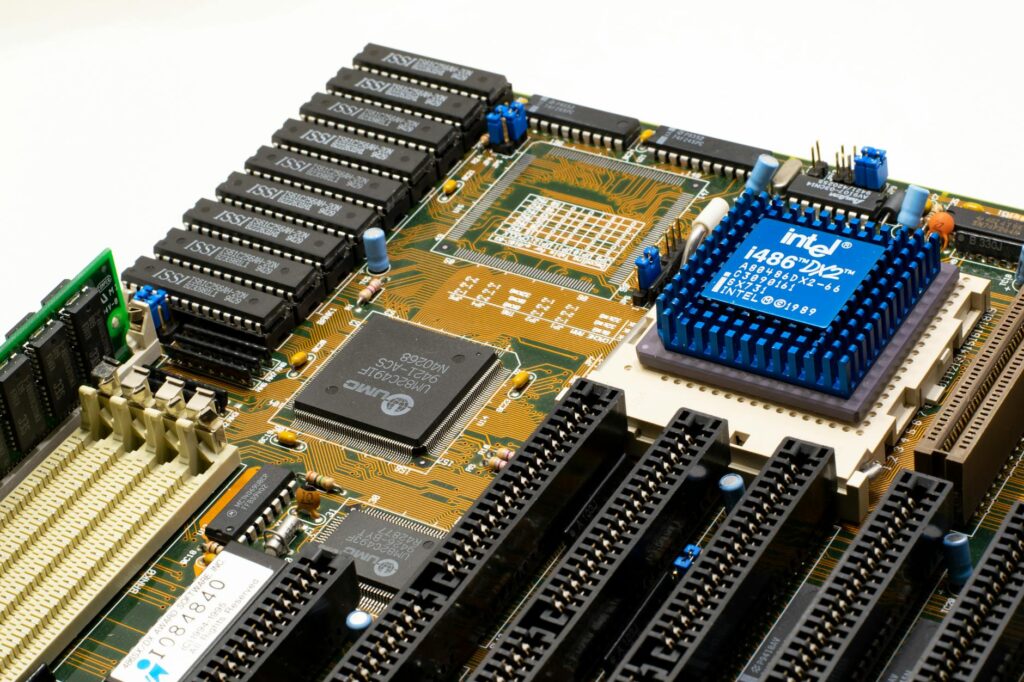
Intel Atom vs. ARM for Android Devices: Chipset Guides 2026
This guide covers everything about Chipset Specific Guides: Intel Atom vs. ARM for Android Devices. When you’re looking at Android devices, from your trusty smartphone to that new tablet, the processor inside is the unsung hero. For years, the battle for mobile supremacy has largely been between Intel’s Atom line and the ubiquitous ARM architecture. But what does this actually mean for you, the user, as of May 2026? Understanding these chipsets isn’t just for tech enthusiasts; it directly impacts how your device performs, how long its battery lasts, and even its price tag.
Last updated: May 6, 2026
Key Takeaways
- Intel Atom processors and ARM-based chipsets represent fundamentally different approaches to mobile CPU design, impacting performance and power efficiency.
- ARM architecture dominates the Android market due to its inherent power efficiency and licensing model, enabling a wide range of custom SoCs.
- Intel Atom, based on x86 architecture, has historically struggled to compete on battery life in mobile devices, though it offers strong raw performance in some applications.
- As of 2026, most Android phones and tablets exclusively use ARM-based systems on a chip (SoCs).
- Choosing between them (historically) meant balancing raw power (sometimes Atom) against battery longevity and device variety (typically ARM).
The Core Difference: Architecture Matters
At its heart, the distinction between Intel Atom and ARM lies in their CPU architecture. Intel Atom processors are based on the x86 architecture, the same family of designs that powered most desktop and laptop computers for decades. ARM, on the other hand, uses its own RISC (Reduced Instruction Set Computing) architecture, which has been optimized for low power consumption and high efficiency.
This fundamental difference shapes everything. x86 is known for its complex instruction set, allowing for powerful, specialized tasks. RISC (ARM) uses simpler instructions executed more rapidly, leading to less power draw for common operations. For mobile devices where battery life is king, ARM’s efficiency has historically given it a massive advantage.
Intel Atom: The Powerhouse Aspirant
Intel’s foray into the mobile space with its Atom line aimed to bring desktop-class performance to tablets and some smartphones. These chips often boasted impressive clock speeds and, on paper, could outperform many ARM counterparts in raw computational power. For tasks that required heavy processing, like complex gaming or demanding applications, an Atom-powered device might offer a snappier experience.
However, this power often came at a cost. Intel Atom processors, being x86-based, typically consumed more power than ARM chips. This translated to shorter battery life, a significant drawback for devices intended for on-the-go use. While Intel made strides in improving power efficiency over the years, they consistently struggled to match ARM’s optimization for always-on, battery-constrained mobile environments. For instance, some Intel Atom-powered Android tablets released in the mid-2010s were noted for their excellent performance but also for their tendency to drain batteries faster than comparable ARM devices.
ARM: The Mobile Dominator
ARM Holdings doesn’t manufacture chips itself. Instead, it designs processor architectures and licenses them to other companies, such as Qualcomm (Snapdragon), MediaTek, Samsung (Exynos), and Apple. This licensing model has fostered immense innovation and competition within the ARM ecosystem.
ARM’s RISC architecture is inherently more power-efficient. This means that for a given task, an ARM processor generally uses less energy than an x86 processor. This efficiency is crucial for smartphones and tablets, allowing them to run for a full day or more on a single charge. And, ARM’s architecture is highly scalable and customizable, enabling manufacturers to create System on a Chip (SoC) designs that integrate not just the CPU but also the GPU (graphics processing unit), modem, and other essential components onto a single piece of silicon. This integration leads to smaller, more power-efficient, and cost-effective devices.
Performance Benchmarks: Atom vs. ARM Through the Years
When comparing chipsets, benchmarks are often the go-to metric. In the past, Intel Atom chips sometimes excelled in single-core performance, especially in synthetic benchmarks. This was a testament to the inherent power of the x86 architecture when unconstrained by power budgets.
However, multi-core performance and sustained performance under load often told a different story. ARM’s highly optimized SoCs, particularly those from Qualcomm and MediaTek, often delivered superior overall performance and, crucially, maintained that performance for longer periods without overheating or excessively draining the battery. For example, a mid-range ARM-based Snapdragon processor from around 2018 might have outperformed a contemporary Intel Atom chip in a real-world multitasking scenario on an Android device, despite lower clock speeds on paper.
As of May 2026, the landscape is almost entirely dominated by ARM. Intel largely exited the mobile Atom market, and ARM-based SoCs from Qualcomm, MediaTek, and others continue to push boundaries in both performance and efficiency. Benchmarks today primarily focus on variations within the ARM ecosystem, comparing different Snapdragon generations or MediaTek Dimensity series chips.
Power Consumption: The Deciding Factor
For any portable electronic device, power consumption is paramount. This is where ARM has consistently held the advantage over Intel Atom in the Android space. The RISC design of ARM processors requires fewer transistors and simpler instruction decoding, leading to significantly lower power draw for equivalent tasks compared to x86.
Consider a typical day of use: checking emails, browsing social media, streaming a video, and playing a casual game. An ARM-based chipset is engineered to handle these common mobile tasks with minimal battery impact. An Intel Atom chip, while capable, would generally expend more energy doing the same, leading to more frequent recharges. This difference was starkly evident in many Android tablets from the mid-2010s where devices with Atom processors often had battery life ratings that lagged behind their ARM-powered competitors, sometimes by several hours of screen-on time.
System on a Chip (SoC) Integration: ARM’s Ace
One of ARM’s greatest strengths is its ability to facilitate highly integrated System on a Chip (SoC) designs. ARM licenses its CPU cores, but its partners then integrate these cores with GPUs, AI accelerators, image signal processors (ISPs), modems, and other components onto a single chip. This integration offers several benefits:
- Efficiency: Components on the same die communicate more effectively, reducing latency and power consumption.
- Size: A single SoC is smaller than discrete components, allowing for slimmer device designs.
- Cost: Integrating multiple functions onto one chip can reduce manufacturing costs.
- Customization: Manufacturers can tailor their SoCs with specific features (e.g., advanced AI capabilities or specialized graphics) for different market segments.
Intel Atom processors, while also integrated, historically faced more challenges in achieving the same level of complete integration and power efficiency as ARM-based SoCs in the mobile segment. This is why you’ll find ARM-based SoCs from Qualcomm (Snapdragon), MediaTek (Dimensity), and others powering virtually all Android smartphones and tablets as of 2026.
Cost-Effectiveness and Market Availability
ARM’s licensing model has created a vast and competitive market. Companies can license ARM’s core designs and modify them or use ARM’s IP (Intellectual Property) to design their own custom cores. This has led to a wide variety of ARM-based chipsets at different price points, catering to every segment of the Android market, from budget-friendly phones to high-end flagships.
Intel Atom processors, being part of Intel’s broader product strategy, didn’t benefit from the same widespread ecosystem of licensees and customization. While Intel aimed for competitive pricing, the overall market dominance and manufacturing scale of ARM-based SoCs often made them more accessible and cost-effective for a broader range of Android device manufacturers. As of 2026, Intel’s presence in the Android mobile chipset market is virtually non-existent, with ARM architecture being the de facto standard.
Real-World Use Cases: Where Did Atom and ARM Shine (Historically)?
In the past, you might have encountered Intel Atom processors in specific Android devices aiming for a performance edge:
- Intel Atom-Powered Tablets: Some manufacturers, like ASUS with its Zen Pad series, used Intel Atom chips in tablets. These devices often offered good performance for media consumption and light productivity tasks, sometimes at a more attractive price point than comparable ARM tablets. However, battery life was often a compromise.
- Windows Devices: Intel Atom found more sustained success in low-power Windows laptops and 2-in-1 devices, where its x86 compatibility and performance were more aligned with the operating system’s demands.
Conversely, ARM has powered the vast majority of Android devices:
- Smartphones: Every major Android smartphone manufacturer, from Samsung and Google to OnePlus and Xiaomi, relies on ARM-based SoCs like Qualcomm’s Snapdragon or MediaTek’s Dimensity.
- Android Tablets: Most Android tablets, including popular lines from Samsung and Amazon Fire, use ARM chipsets for their balance of performance and battery life.
- Wearables and IoT: The efficiency of ARM architecture makes it ideal for devices with limited power, such as smartwatches and various Internet of Things (IoT) devices.
The Verdict for 2026: ARM is the Standard
As of May 2026, the debate between Intel Atom and ARM for Android devices is largely settled. Intel has shifted its focus away from the mobile Atom market, and ARM architecture, through its various licensees, is the undisputed leader. When you purchase an Android smartphone or tablet today, it’s almost certain to be powered by an ARM-based SoC.
The innovation now lies within the ARM ecosystem. Companies are constantly developing new ARM cores and integrating advanced features like dedicated AI processors, improved graphics capabilities, and more efficient modems. The focus is on maximizing performance, extending battery life, and enabling new functionalities like advanced computational photography and AI-driven user experiences, all while maintaining the power efficiency that defined ARM’s success.
Common Mistakes When Considering Chipsets
One common mistake is equating raw clock speed with overall performance. A higher GHz number doesn’t always mean a faster or more efficient device. Factors like the number of cores, the architecture’s efficiency, and the integration of other components (GPU, modem) play a much larger role in the actual user experience. For example, a 2.5GHz ARM core with efficient instruction handling can easily outperform a 3.0GHz x86 core when power is limited.
Another pitfall is overlooking the importance of the entire SoC. A powerful CPU is only one part of the equation. The GPU handles graphics, the ISP processes camera data, and the modem manages cellular connectivity. A well-balanced SoC, common in ARM designs, ensures all these components work harmoniously for optimal performance and battery life. Relying solely on CPU benchmarks can be misleading when evaluating a mobile chipset.
Tips for Choosing an Android Device Based on Chipset (Even Today)
While the choice is largely pre-made (it’ll be ARM), understanding the manufacturer and model of the SoC can still be beneficial. Look for devices with chipsets from reputable manufacturers like Qualcomm (Snapdragon series) or MediaTek (Dimensity series). These brands consistently deliver well-balanced performance and efficiency.
Consider your primary use case. If you’re a power user who games extensively or uses demanding apps, look for higher-tier Snapdragon or Dimensity processors. For general use, browsing, and social media, mid-range options will be more than sufficient and will offer better battery life. Always check reviews that specifically test battery performance and real-world multitasking for the specific device model you’re interested in.
Frequently Asked Questions
What is the main difference between Intel Atom and ARM processors?
The primary difference lies in their CPU architecture: Intel Atom uses the x86 architecture, known for power, while ARM uses RISC, optimized for energy efficiency, making it ideal for mobile devices.
Why is ARM dominant in Android devices?
ARM’s architecture is inherently more power-efficient, crucial for battery life. Its flexible licensing model also allows for highly integrated, customizable SoCs that manufacturers prefer for Android devices.
Did Intel Atom processors ever power many Android phones?
Intel Atom chips were present in some Android tablets and a few smartphones in the past, aiming for higher performance, but they struggled against ARM’s efficiency and market adoption in the long run.
Are there any Android devices still using Intel Atom processors in 2026?
No, as of May 2026, virtually all new Android smartphones and tablets use ARM-based System on a Chip (SoC) designs. Intel has largely exited the mobile Atom market.
How does ARM’s licensing model benefit consumers?
ARM’s licensing allows numerous companies to innovate and produce a wide variety of custom SoCs, leading to competitive pricing, diverse device options, and specialized features tailored for different user needs.
What does ‘System on a Chip’ (SoC) mean for Android devices?
An SoC integrates the CPU, GPU, modem, and other components onto a single chip. ARM’s architecture is particularly well-suited for creating these compact, efficient, and cost-effective SoCs that power modern Android devices.
Last reviewed: May 2026. Information current as of publication; pricing and product details may change.
Editorial Note: This article was researched and written by the Bloxtra editorial team. We fact-check our content and update it regularly. For questions or corrections, contact us.